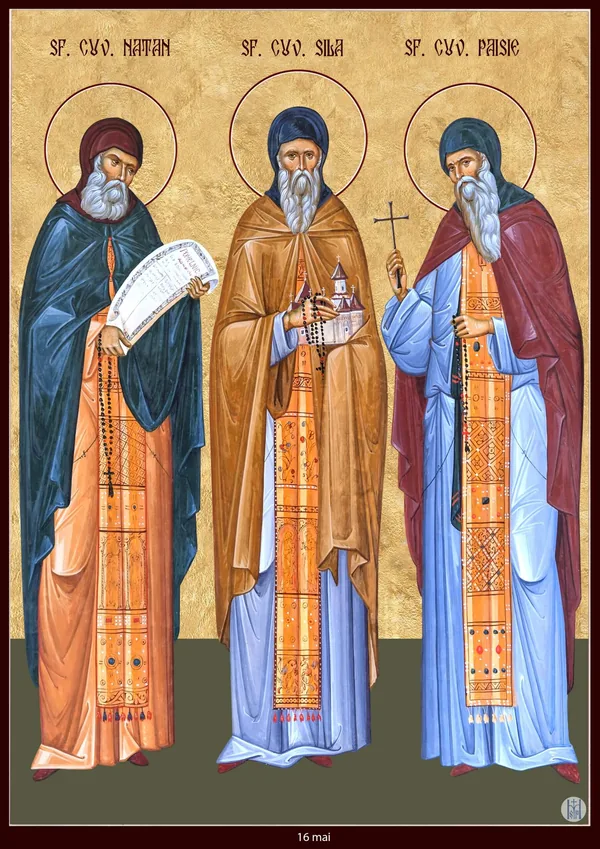
Natan became a monk at Putna before withdrawing to Sihăstria Putnei. He copied manuscripts, compiled memorial lists of the monastery’s benefactors, and served as spiritual father to Metropolitan Iacob. He succeeded Sila as abbot and led the community through material hardship. His work joined the preservation of memory with responsibility for the people living beside him.
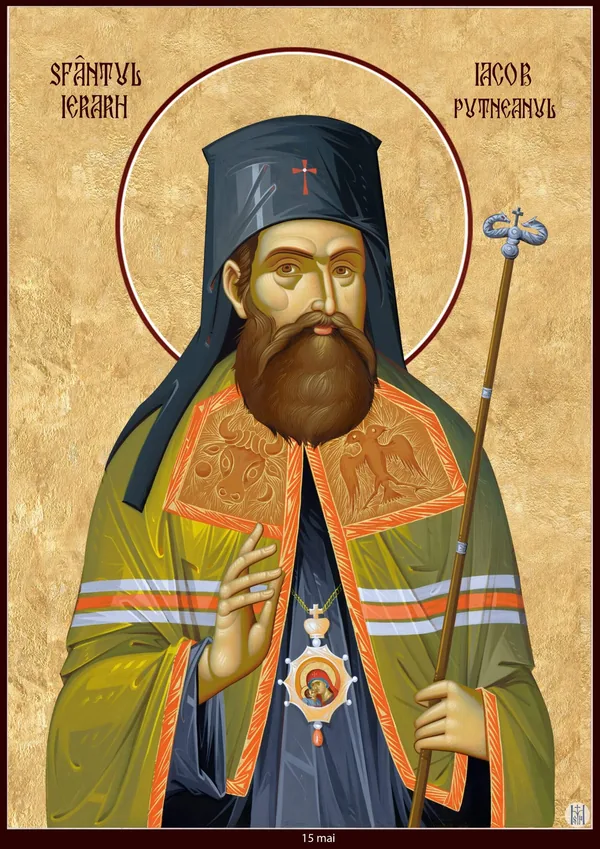
Iacob became a monk at Putna and later served as metropolitan of Moldavia. He promoted schools, Romanian translations, and printing, including educational material for children. He supported the Saint Spyridon hospital in Iași and resisted burdensome taxation. After leaving the metropolitan office, he returned to Putna and helped restore the monastery.
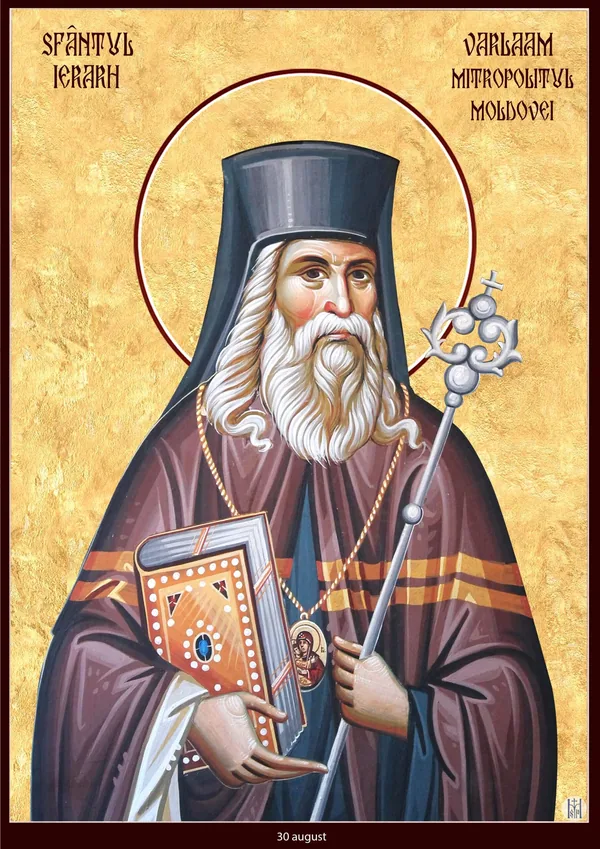
Varlaam became a monk at Secu and later metropolitan of Moldavia. He translated the Ladder of Divine Ascent and helped establish a Romanian printing press in Iași with support from Peter Mogila and Vasile Lupu. His published teaching sermons made Christian instruction available in Romanian. He also encouraged education and took part in the church’s theological deliberations.
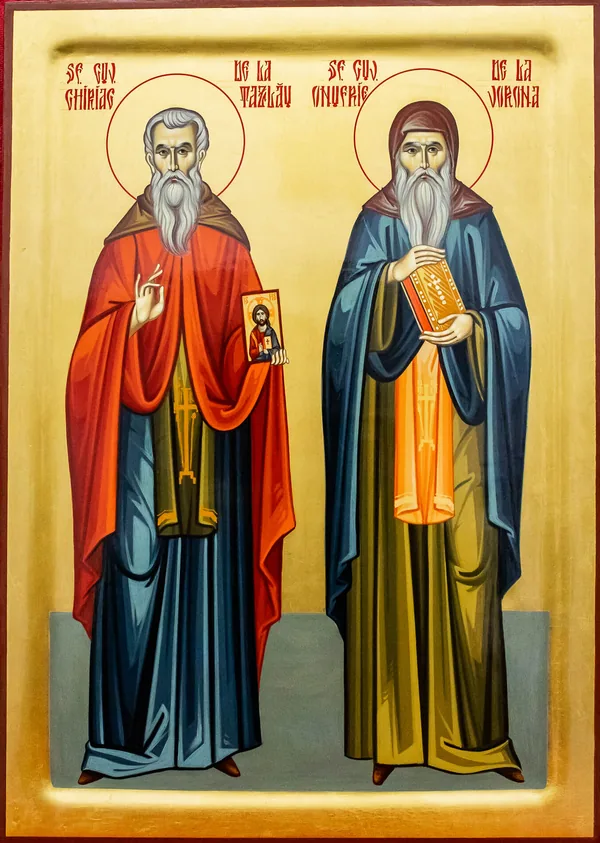
Chiriac entered monastic life at Tazlău and later lived in a cave on the nearby mountain. His solitude did not prevent others from seeking him out. The official calendar describes monks and laypeople coming to him for spiritual counsel and remembers his sustained life of prayer. Metropolitan Dosoftei knew him personally and preserved testimony about him.
Onufrie left his earlier life and came to Moldavia, where he became connected with the monastic world of Paisius Velichkovsky. At Vorona, he pursued a life of prayer, studied Scripture, and copied spiritual books. Monks and laypeople sought his guidance. His quiet labour preserved teaching while his counsel served people beyond his hermitage.
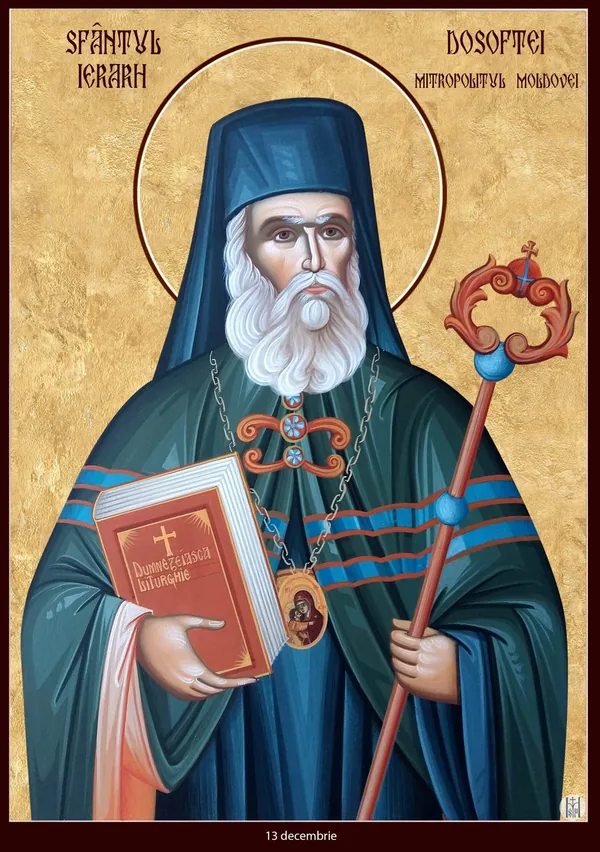
Dosoftei became a monk at Probota and later metropolitan of Moldavia. He translated and printed books of worship and Christian teaching in Romanian. His work included a verse Psalter and volumes of saints’ lives. Exile took him from Moldavia, but he continued his scholarly work. His translations helped readers encounter the church’s teaching in their own language.
The directory indexes the OCA full-year calendar, including leap-day commemorations, alongside additional researched profiles. Calendar entries include individual saints, groups, icons and feasts. An entry count is not a count of unique saints. Categories are provisional; follow the linked source.
Dates show commemorations in the referenced calendar year. Movable feasts change annually, and local calendars may differ. Additional jurisdictions, original biographies and icon research remain in progress. This collection does not yet claim complete Eastern Orthodox coverage.
Calendar metadata was retrieved through Orthocal’s source repository and the Orthodox Church in America. Source-only calendar records link to their original accounts; researched profiles include individually sourced artwork.
 Patron SaintTake the quiz