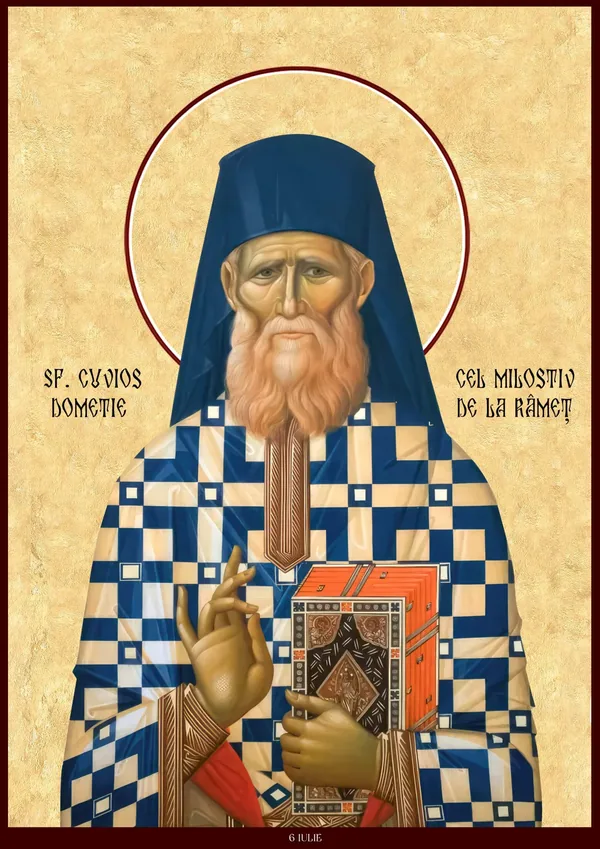
Dometie served as a spiritual father at Râmeț and as a priest among villages in the Apuseni Mountains. Alongside pastoral work, he restored the monastery church, improved its buildings, and brought electricity and drinking water into the monastery. He also built a school for village children and helped establish the monastery museum with his sister, the nun Eudoxia. His ministry joined spiritual guidance with practical responsibility for neighbours.
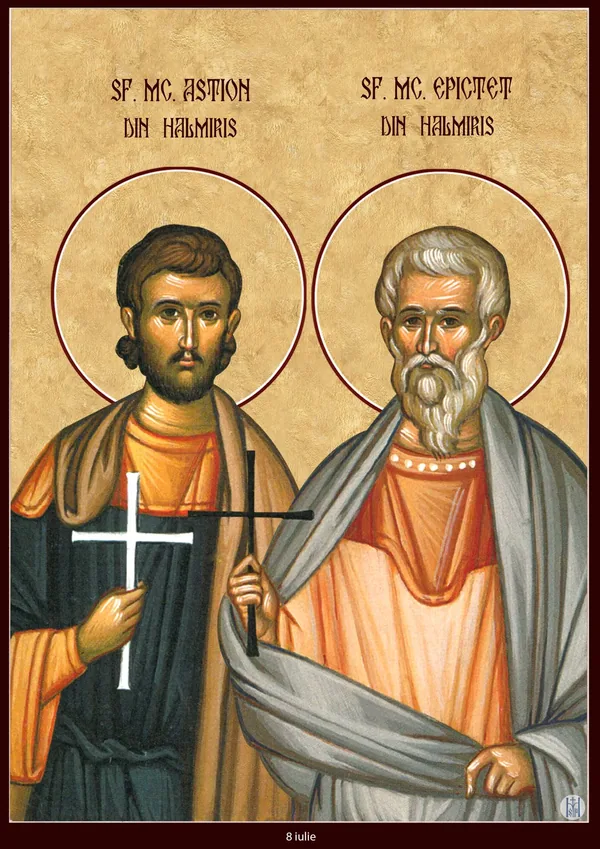
Epictet was a priest from Asia Minor who taught the young Astion about Christian faith and prepared him for baptism. The two settled at Halmyris in Dobrogea, where they continued their religious life and instruction. Arrested together, they refused to renounce Christ despite torture. The official calendar remembers their prayers in imprisonment and their martyrdom together.
Astion sought Christian instruction from the priest Epictet and asked to become a catechumen. After baptism, he accompanied his teacher to Halmyris in Dobrogea. The calendar describes his prayers for people in distress and his instruction of a new believer. Arrested with Epictet, Astion remained faithful under torture and prayed before his execution.
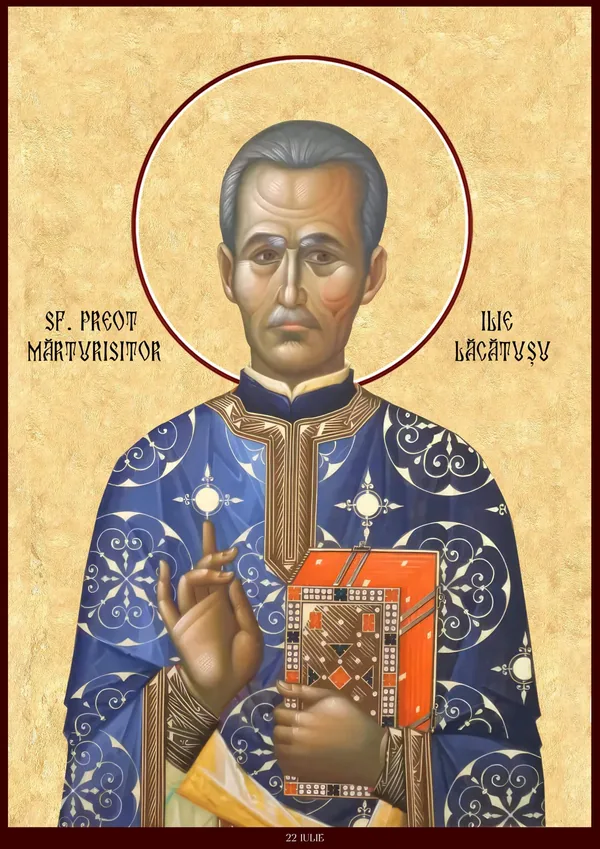
Ilie served as a parish priest and suffered imprisonment and forced labour under Romania’s communist regime. In detention, he shared clothing and food with prisoners who were more vulnerable. He also took on work assigned to prisoners weakened by torture so that they would not face further punishment. After release, he eventually resumed parish ministry. The calendar remembers both his prayer and his costly care for fellow prisoners.
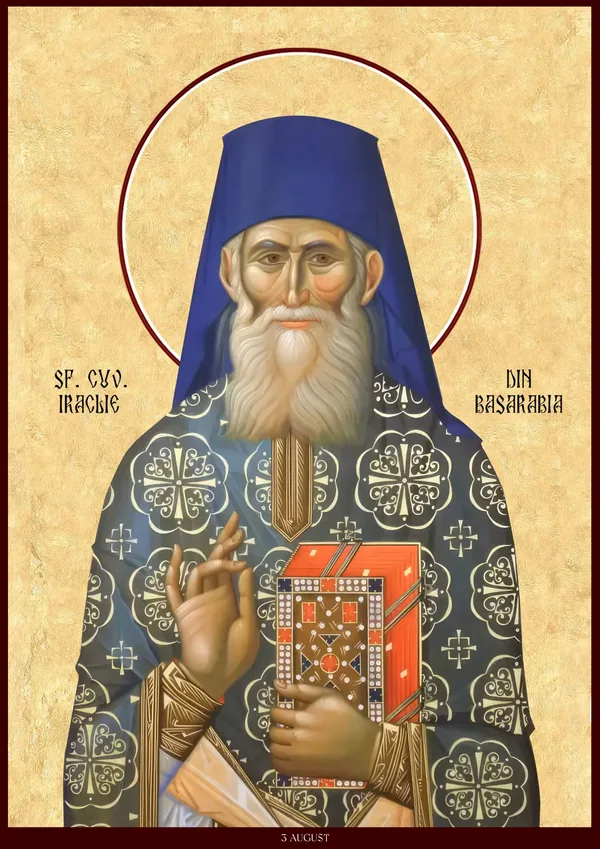
Iraclie entered Hârbovăț Monastery after surviving wounds during the First World War. He translated spiritual texts, taught students preparing for church singing, and preached in parishes. During persecution, he sent money and food from his modest parish resources to struggling monks. Imprisoned in Soviet labour camps, he continued to encourage fellow prisoners and hear confessions. After release, he returned to monastic life and spiritual guidance.
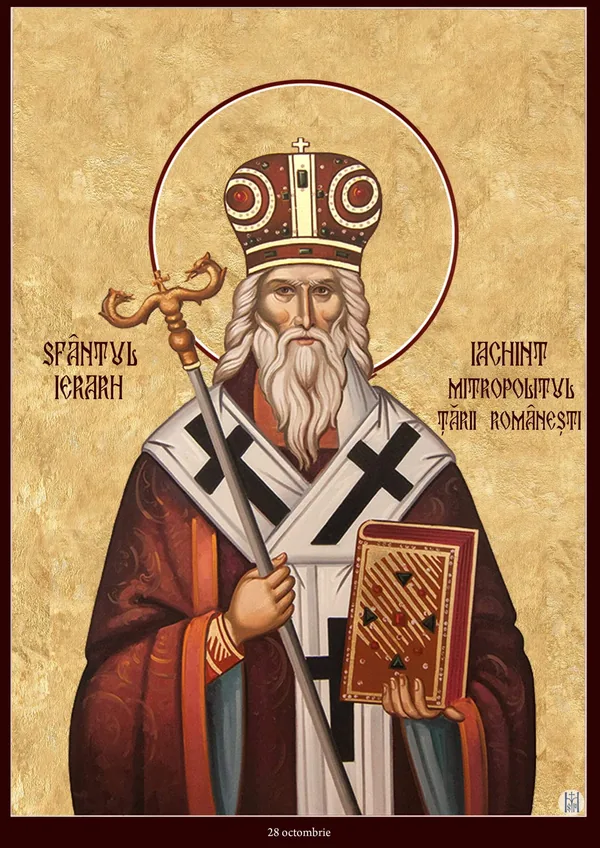
Iachint served as metropolitan of Vicina before moving to Curtea de Argeș as metropolitan of Wallachia. He organised church life, ordained priests, and cared for monastic communities. The calendar describes his teaching of prayer and his support for Orthodox faith during a period of political pressure. In old age, illness restricted his travel, but he continued to bear his responsibilities with prayer and patience.
The directory indexes the OCA full-year calendar, including leap-day commemorations, alongside additional researched profiles. Calendar entries include individual saints, groups, icons and feasts. An entry count is not a count of unique saints. Categories are provisional; follow the linked source.
Dates show commemorations in the referenced calendar year. Movable feasts change annually, and local calendars may differ. Additional jurisdictions, original biographies and icon research remain in progress. This collection does not yet claim complete Eastern Orthodox coverage.
Calendar metadata was retrieved through Orthocal’s source repository and the Orthodox Church in America. Source-only calendar records link to their original accounts; researched profiles include individually sourced artwork.
 Patron SaintTake the quiz