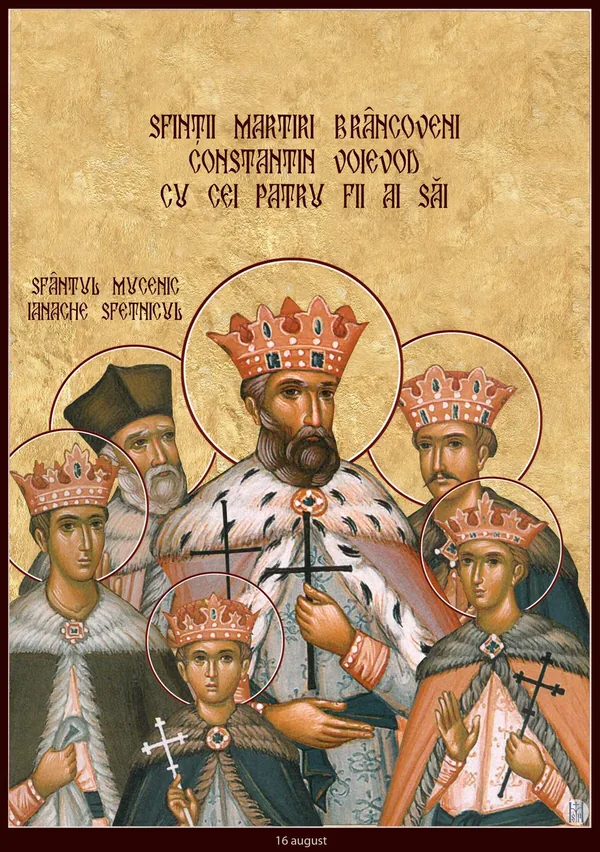
Matei Brâncoveanu is named in the official calendar among the six Brâncoveanu martyrs executed in Constantinople in 1714. He was the son of Constantin Brâncoveanu. The calendar commemorates the ruler, his four sons, and Ianache together on August 16. This source supplies a shared account rather than a separate biography for Matei Brâncoveanu.
Ianache, Adviser of Brâncoveanu is named in the official calendar among the six Brâncoveanu martyrs executed in Constantinople in 1714. He was the adviser of Constantin Brâncoveanu. The calendar commemorates the ruler, his four sons, and Ianache together on August 16. This source supplies a shared account rather than a separate biography for Ianache, Adviser of Brâncoveanu.
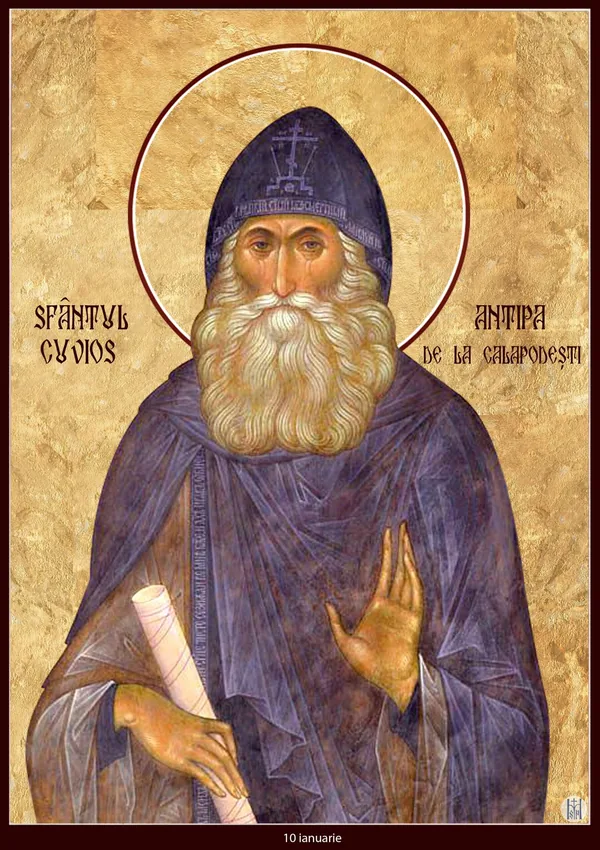
Antipa learned bookbinding as a young man to help support his family. He later became a monk and lived on Mount Athos, where he rebuilt a cell and learned from experienced elders. He travelled through Moldavia and Russia to gather support for the Romanian Prodromu skete. After sending that assistance, he settled near Valaam and became known for spiritual counsel and teaching prayer.
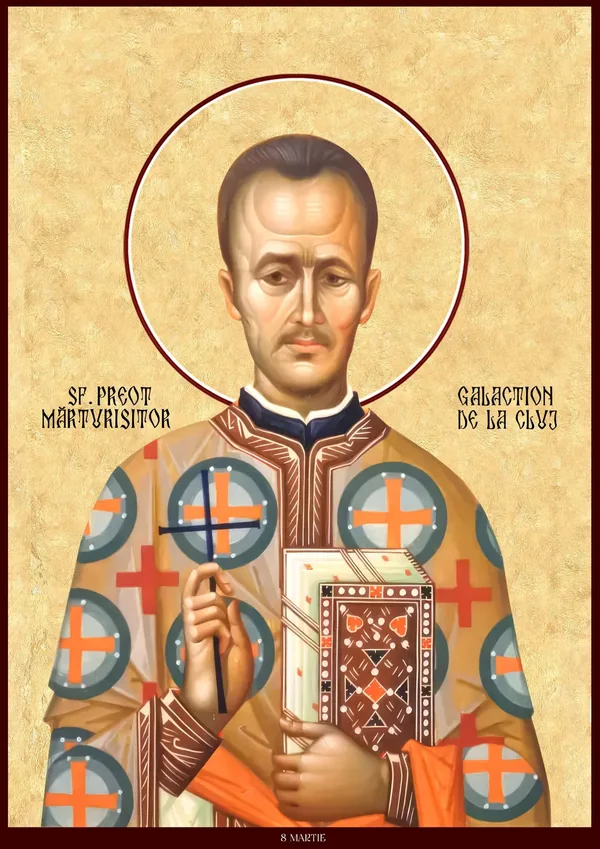
Liviu-Galaction taught theology in Cluj and later served as rector. During the occupation of northern Transylvania, he remained with the community and helped three young Jewish people escape deportation by crossing the border. Under communist rule, he worked with another priest on a plan for teaching Christian faith to children and adults. Authorities arrested him before the plan could be implemented in the parishes. He died in imprisonment at Aiud.
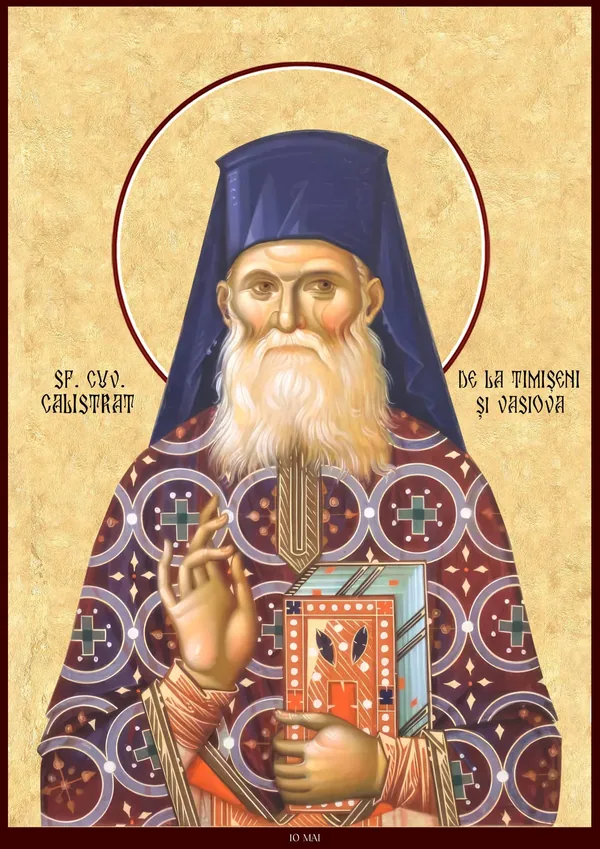
Calistrat became a monk at Sihăstria and later a priest. Sent to Banat for missionary service, he founded the women’s monastery at Timișeni and provided spiritual guidance at Săraca, Partoș, and Vasiova. Monks and laypeople sought his counsel over many years. The calendar remembers his work to renew monastic life and his care for the people who came to him.
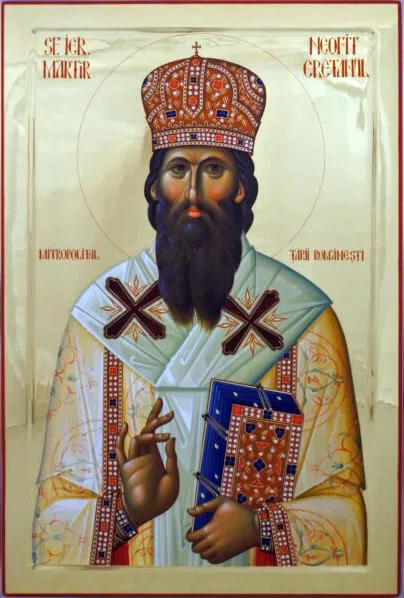
Neofit came from Crete and became metropolitan of Wallachia. He supported Romanian-language printing, founded a church library, and helped establish schools with free teaching for peasant children. He also supported the printing of an Arabic Psalter for Christians of Antioch. The calendar records his release of dependent peasants on metropolitan estates and his advocacy for people suffering under the ruler.
The directory indexes the OCA full-year calendar, including leap-day commemorations, alongside additional researched profiles. Calendar entries include individual saints, groups, icons and feasts. An entry count is not a count of unique saints. Categories are provisional; follow the linked source.
Dates show commemorations in the referenced calendar year. Movable feasts change annually, and local calendars may differ. Additional jurisdictions, original biographies and icon research remain in progress. This collection does not yet claim complete Eastern Orthodox coverage.
Calendar metadata was retrieved through Orthocal’s source repository and the Orthodox Church in America. Source-only calendar records link to their original accounts; researched profiles include individually sourced artwork.
 Patron SaintTake the quiz