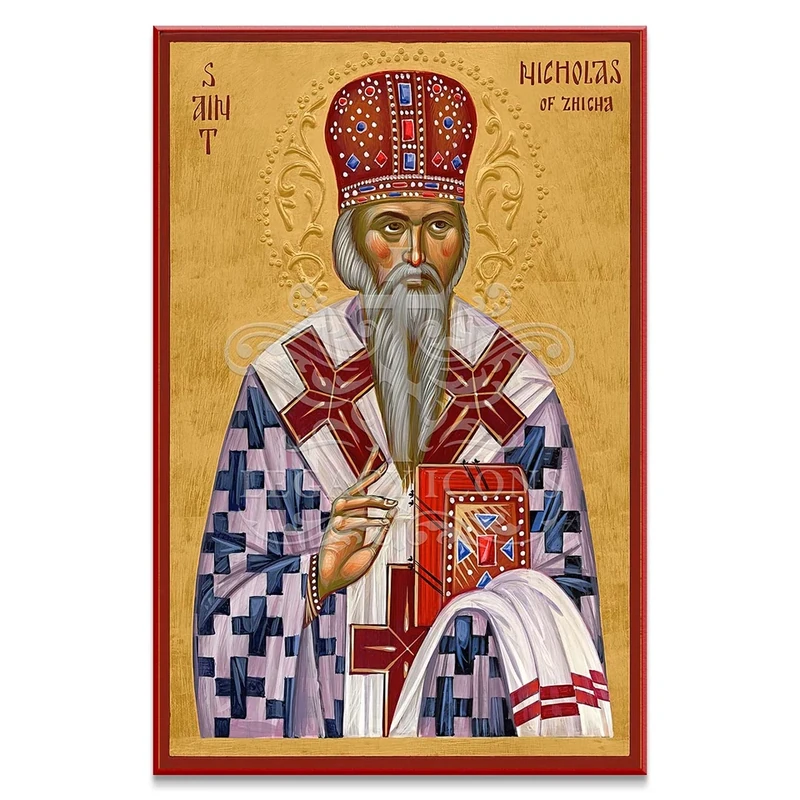
Nikolai Velimirovich served as bishop of Zhicha and Ohrid and became widely known for preaching and spiritual writing. His work encouraged prayer, biblical reading, and renewed monastic life. He also supported orphanages and people suffering after war. During the Second World War he was imprisoned and later lived in the United States, where he taught in Orthodox seminaries. His Prologue from Ohrid remains an influential collection of saints’ lives and reflections. The Church remembers a teacher whose words reached readers far beyond the places where he personally served, joining pastoral instruction with concern for the vulnerable.
Peter entered a monastery as a boy in Volhynia, studied Scripture, and learned to paint icons that he gave to fellow monks and visitors. He later established a community beside the Rata River. As abbot, he corrected the brethren through patient instruction and personal example rather than anger. His ministry as metropolitan brought wider responsibilities: visiting communities, teaching clergy, and seeking peace among competing princes. He eventually moved his residence to Moscow and helped establish its cathedral. He died in 1326. His commemoration remembers a church leader whose earlier gifts of craftsmanship and community guidance continued in a demanding pastoral office.
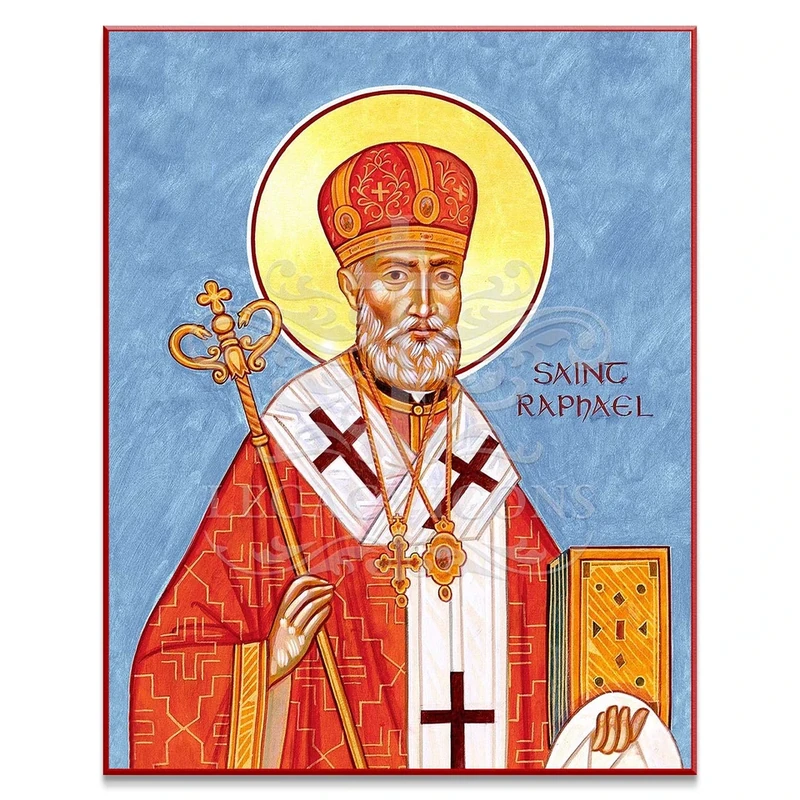
Raphael Hawaweeny was born while his family was displaced by persecution. His education and teaching took him through the Middle East and Russia before he accepted a call to serve Arab Orthodox Christians in New York. He traveled widely to reach scattered households, organized parishes, and prepared Arabic prayer resources. He later encouraged English in worship and education for younger generations. Consecrated bishop in Brooklyn, he continued pastoral travel and published a church magazine. His life remembers attentive service across language and distance, with learning directed toward the needs of people who lacked a nearby pastor.
Stephen of Dečani was the son of King Milutin and later the father of Dušan. The traditional account remembers severe conflict within the royal family, including his loss of sight and exile. He spent years at the Pantocrator monastery in Constantinople, where his patience and gentleness became central to his remembrance. A healing associated with Nicholas of Myra forms part of the story of his return. He supported the building of Dečani monastery and was later honored as a martyr. His commemoration places endurance and devotion beside the instability and suffering of royal life.
Theodosius studied at Kyiv's Brotherhood school before becoming a monk and taking responsibility for several monasteries. At Vydubychi, he restored a damaged community and developed a choir whose singers later taught Kievan chant in Moscow. He also provided a quieter skete for monks seeking solitude. His later work at Chernihiv included restoring another monastery, supporting new communities, and encouraging the education of clergy. He invited learned monks to assist, including John Maximovitch, the future Metropolitan of Tobolsk. The OCA remembers people of different confessions seeking his help and counsel. He died in 1696. His commemoration connects renewal of buildings and worship with the formation of people who would continue pastoral service after him.
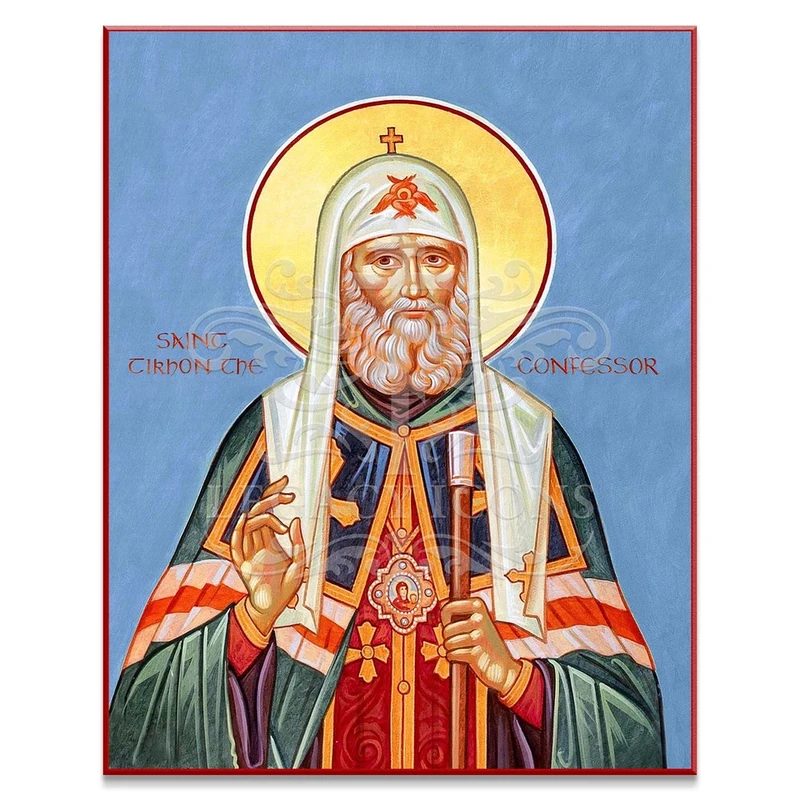
Tikhon served Orthodox communities in North America before returning to Russia and becoming patriarch of Moscow in 1917. In America he cared for a geographically large and culturally diverse diocese, helping establish churches and support the Church’s life. As patriarch he faced revolution, famine, persecution, and deep internal division. His life is remembered for firmness in faith accompanied by an accessible and gentle manner. He appealed for aid to famine victims and endured imprisonment. Tikhon’s example offers a demanding picture of leadership that protects a community without allowing public pressure to erase personal kindness.
The directory indexes the OCA full-year calendar, including leap-day commemorations, alongside additional researched profiles. Calendar entries include individual saints, groups, icons and feasts. An entry count is not a count of unique saints. Categories are provisional; follow the linked source.
Dates show commemorations in the referenced calendar year. Movable feasts change annually, and local calendars may differ. Additional jurisdictions, original biographies and icon research remain in progress. This collection does not yet claim complete Eastern Orthodox coverage.
Calendar metadata was retrieved through Orthocal’s source repository and the Orthodox Church in America. Source-only calendar records link to their original accounts; researched profiles include individually sourced artwork.
 Patron SaintTake the quiz