Alban lived at Verulamium in Roman Britain when Christian clergy faced persecution. He sheltered a fugitive priest and was moved by the priest’s prayer to ask about his faith. The received life remembers Alban’s conversion and his decision to exchange clothing with the priest so that the visitor could escape. Arrested in the priest’s place, Alban refused to abandon his new confession and was executed. His commemoration honors both the hospitality that opened his own life to faith and the courage through which he protected another person. The precise year of his martyrdom remains uncertain.
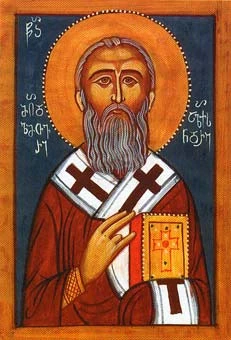
Alexander Okropiridze was a Georgian bishop, teacher and supporter of church education. He taught in Tbilisi and worked in Abkhazia before serving Guria and Samegrelo. He used his own resources to restore churches and monasteries. His financial support helped establish a diocesan school for girls in Tbilisi in 1878. He also funded books, textbooks and collections of church chant. He retired to Shio-Mgvime and died in 1907.
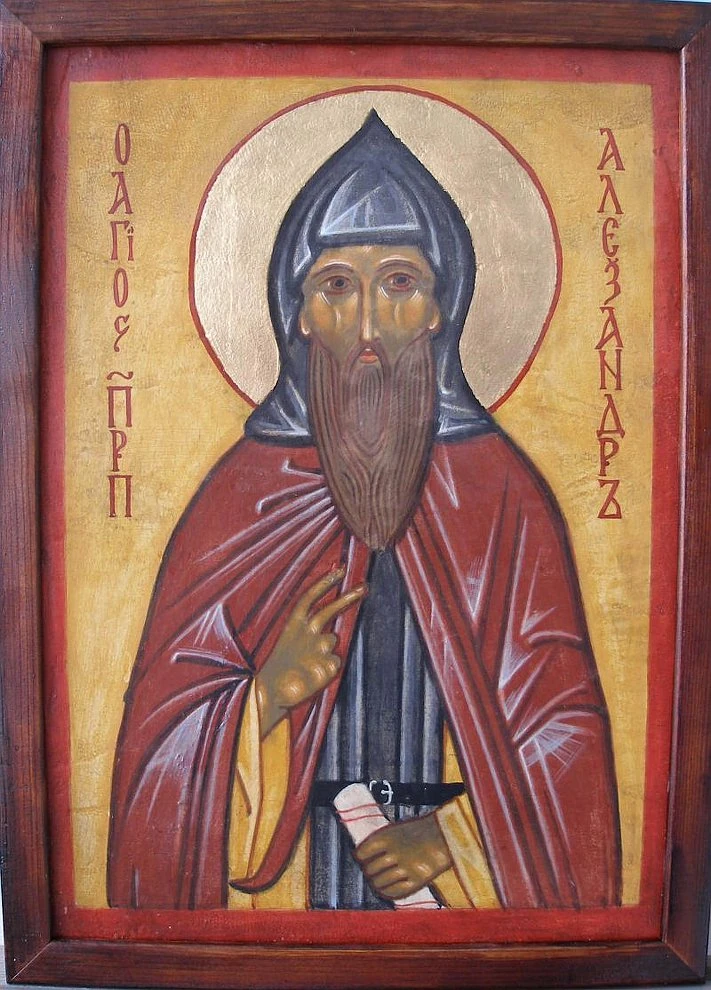
Alexander left military service for monastic life near Antioch and later guided communities in Syria and Constantinople. His distinctive foundation organized the monks into successive groups so that psalmody continued through the day and night. The name Unsleeping Ones referred to this shared rhythm, rather than requiring every monk to remain awake continuously. The OCA also remembers missionary teaching and a church and shelter built for sick and homeless people in Antioch. Alexander appointed other leaders when moving to new work. His commemoration joins sustained common prayer with organization, teaching, and practical provision for people beyond the monastery.
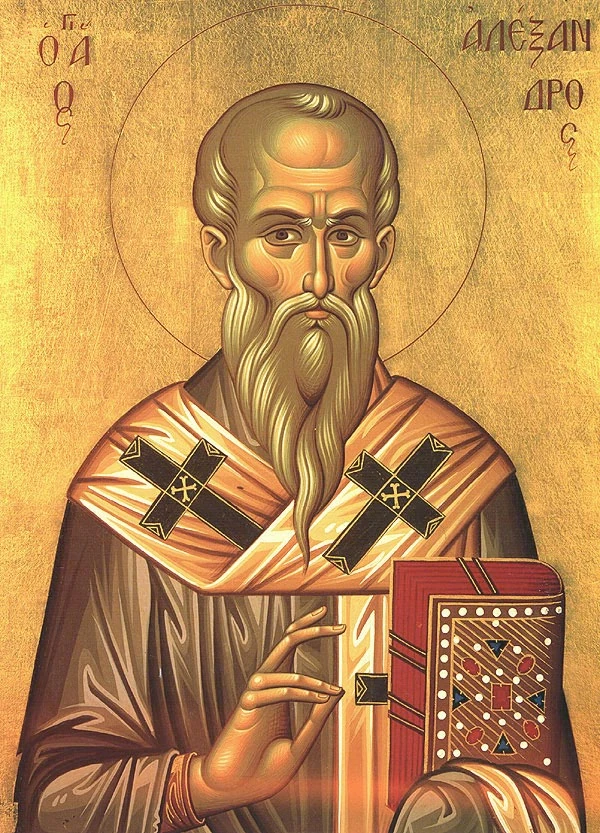
Alexander lived as an ascetic before assisting Metrophanes in the Church of Byzantium. He represented Metrophanes at the Council of Nicaea and defended Nicene teaching against Arius. After Metrophanes’s death, Alexander succeeded him as bishop. His received life remembers his continuing opposition to Arian teaching and his counsel about choosing a successor. He died in old age.
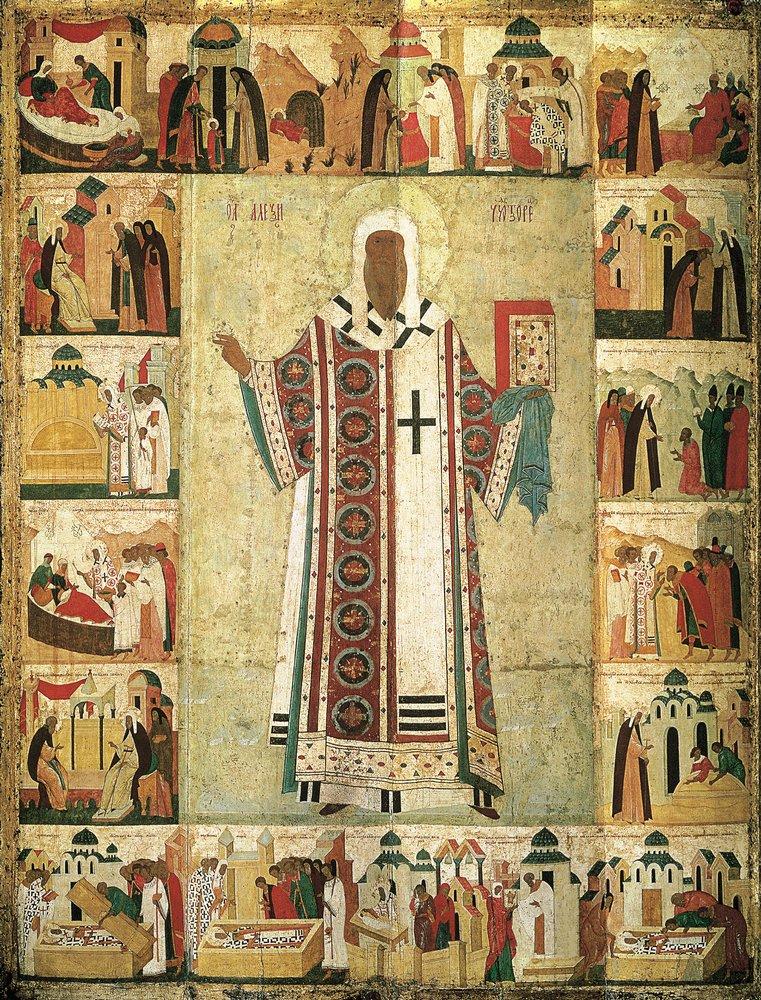
Alexei entered Moscow's Theophany Monastery and later took responsibility for ecclesiastical courts before becoming bishop and metropolitan. His ministry included travel to Constantinople, appointment of bishops, and the founding or restoration of monasteries. He also took part in difficult negotiations involving the princes of Rus and the Golden Horde. The OCA remembers his prayer during a dangerous sea journey and the church foundation connected with his vow of thanksgiving. He died in 1378. His commemoration belongs to both pastoral and political history, remembering the practical work of maintaining church communities while requiring care about the ambitions of the rulers around him.
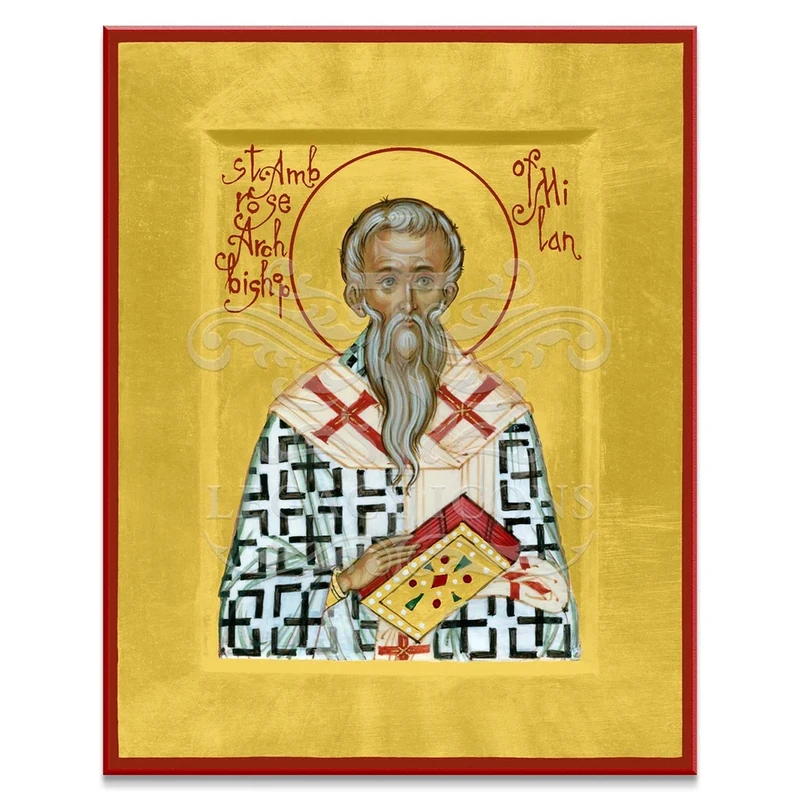
Ambrose was a civil official in Milan when a disputed episcopal election led the people to call for him as bishop. Still a catechumen, he accepted baptism and entered a new life of pastoral responsibility. He gave resources to churches, orphans, and people in poverty, taught the Christian faith, and helped shape the Church’s singing. His preaching influenced Augustine. The OCA life also remembers his demand that Emperor Theodosius repent after the massacre at Thessalonica. Ambrose’s witness joins learning and generosity with the conviction that public power remains accountable to moral responsibility.
The directory indexes the OCA full-year calendar, including leap-day commemorations, alongside additional researched profiles. Calendar entries include individual saints, groups, icons and feasts. An entry count is not a count of unique saints. Categories are provisional; follow the linked source.
Dates show commemorations in the referenced calendar year. Movable feasts change annually, and local calendars may differ. Additional jurisdictions, original biographies and icon research remain in progress. This collection does not yet claim complete Eastern Orthodox coverage.
Calendar metadata was retrieved through Orthocal’s source repository and the Orthodox Church in America. Source-only calendar records link to their original accounts; researched profiles include individually sourced artwork.
 Patron SaintTake the quiz