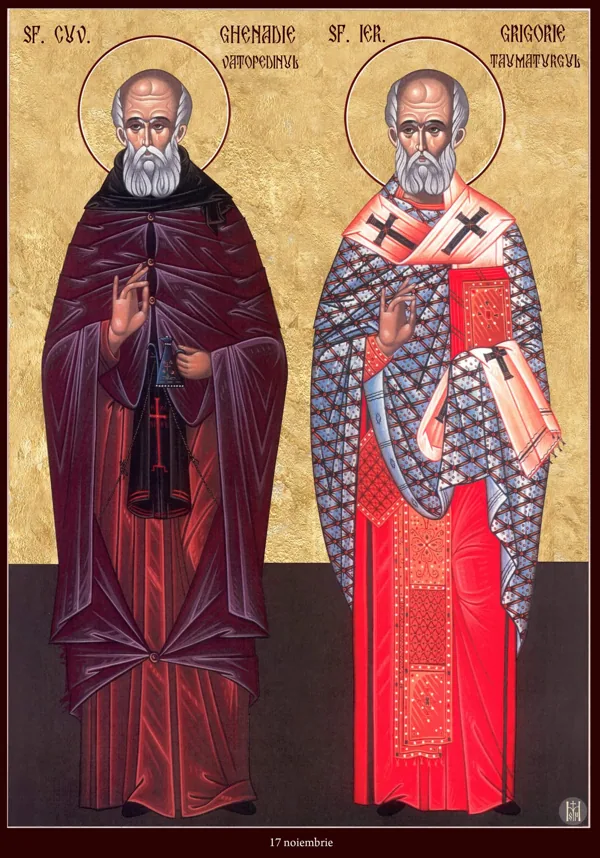
Gregory studied Christian teaching before returning to his native Neocaesarea. After a period of solitude, he became the city’s bishop. He taught Christianity, gathered a growing community and built a church with the support of new converts. The received life also remembers his prayers for people who were ill or in danger.
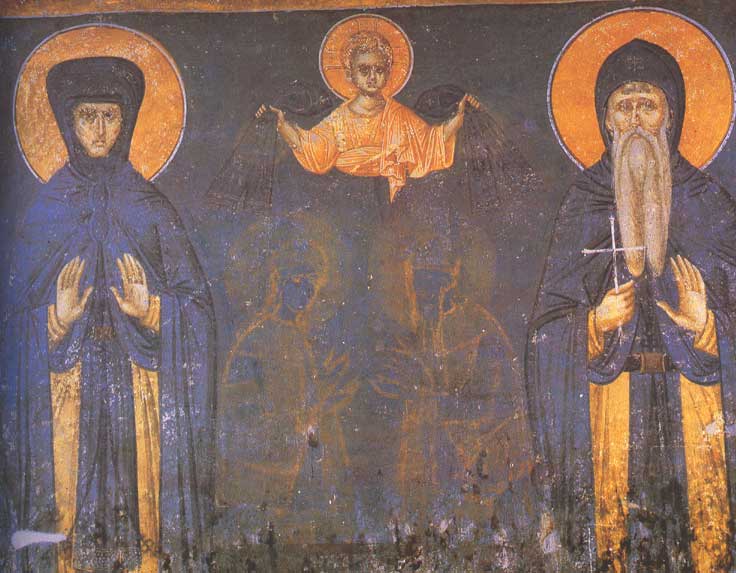
Helen was the mother of the Serbian rulers Milutin and Dragutin. Her OCA life remembers practical care for people in poverty: she built a shelter for poor people and supported monastic communities. She founded and endowed monasteries, including Rechesk near Spich. Before her death she received monastic tonsure. The sources consulted give differing death dates, so no exact year is stated here. Her remembered provision of shelter and resources provides the basis for the editorial themes of mercy and service.
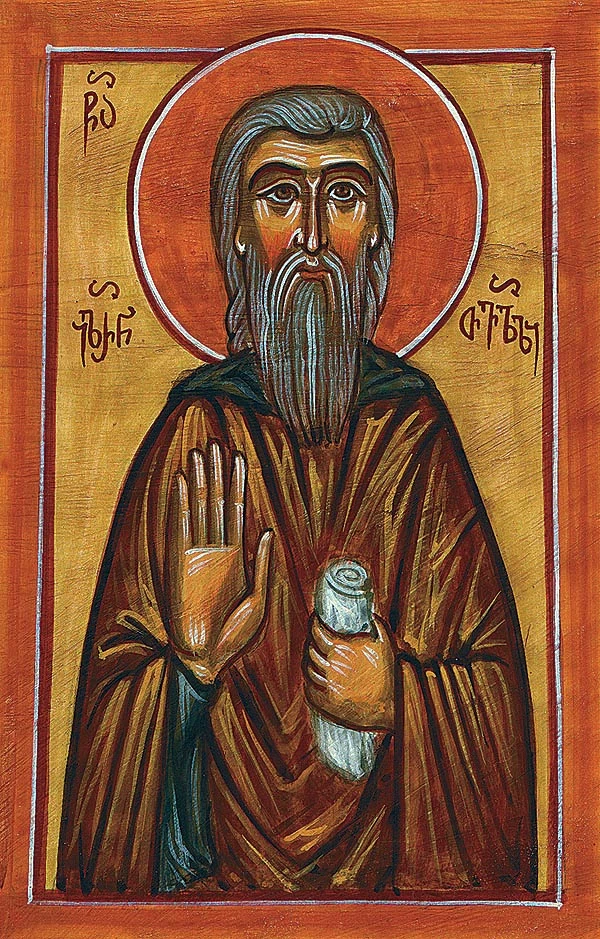
Hilarion led Khakhuli Monastery in southwestern Georgia during the early eleventh century. The OCA's life draws on Georgian literary and historical testimony that remembers his preaching, translation, and theological learning. Among those he instructed was the young George of the Holy Mountain, whose later work included translation and writing. Hilarion also blessed George's entrance into monastic life. He eventually left Khakhuli for Tvali Monastery near Antioch, where he spent his remaining years. His commemoration recalls a teacher whose influence continued through a younger scholar's vocation, as well as his own contribution to the Georgian Church's literary and theological culture.
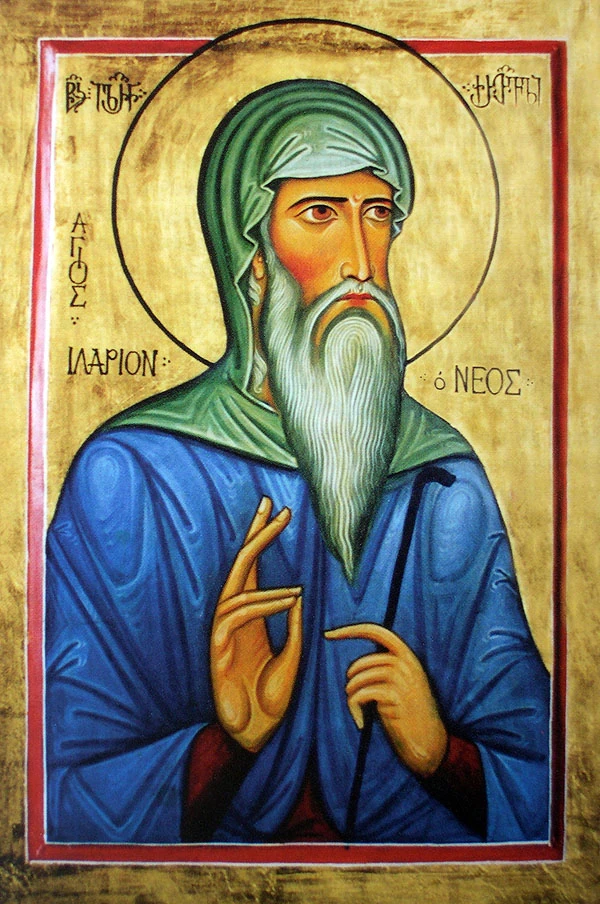
Hilarion, born Ise Qanchaveli, served as a priest and spiritual adviser at the Imeretian royal court before seeking monastic life on Mount Athos. His later years combined periods of solitude with practical care for others. In Thessalonica, he spent six months ministering to sick prisoners. After recovering from severe weakness, he took responsibility for the Georgian library at Iviron, organized its catalog, and compiled a collection of saints' lives. He died in 1864. His commemoration remembers service and preservation of spiritual literature, while the source's accounts of deliberately seeking execution and extreme austerity require caution rather than imitation.
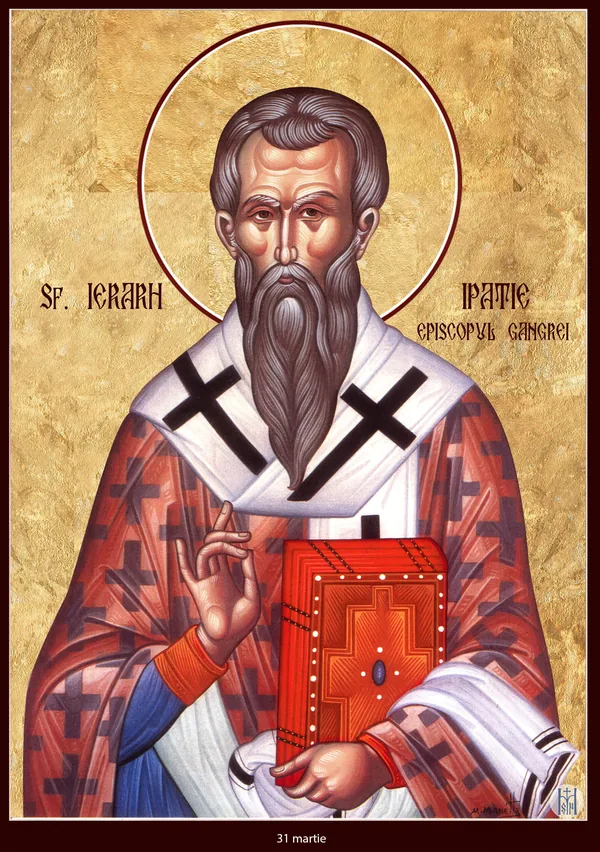
Hypatius served as bishop of Gangra in Paphlagonia. The official calendar remembers his participation in the Council of Nicaea and his defence of Christian teaching. On his return journey, attackers assaulted him and left him gravely wounded. The account records that he prayed for his attackers before he was killed. His remembrance joins theological witness with forgiveness at the moment of suffering.
Hypatius served as bishop of Gangra in Paphlagonia. The official calendar remembers his participation in the Council of Nicaea and his defence of Christian teaching. On his return journey, attackers assaulted him and left him gravely wounded. The account records that he prayed for his attackers before he was killed. His remembrance joins theological witness with forgiveness at the moment of suffering.
The directory indexes the OCA full-year calendar, including leap-day commemorations, alongside additional researched profiles. Calendar entries include individual saints, groups, icons and feasts. An entry count is not a count of unique saints. Categories are provisional; follow the linked source.
Dates show commemorations in the referenced calendar year. Movable feasts change annually, and local calendars may differ. Additional jurisdictions, original biographies and icon research remain in progress. This collection does not yet claim complete Eastern Orthodox coverage.
Calendar metadata was retrieved through Orthocal’s source repository and the Orthodox Church in America. Source-only calendar records link to their original accounts; researched profiles include individually sourced artwork.
 Patron SaintTake the quiz