Gregory received a strong education and became known for his knowledge of Scripture and theology. After ordination he sought monastic life in southwestern Georgia with trusted companions. They began the monastery at Khandzta under difficult conditions, gathering help for building, food, and land. Other foundations followed, and Gregory became a guide for communities throughout Klarjeti. His traditional life remembers both prayer and the courage to challenge misconduct among powerful people. Near death he gathered and blessed his disciples. His commemoration joins serious learning with the practical work of forming communities and taking responsibility for their spiritual life.
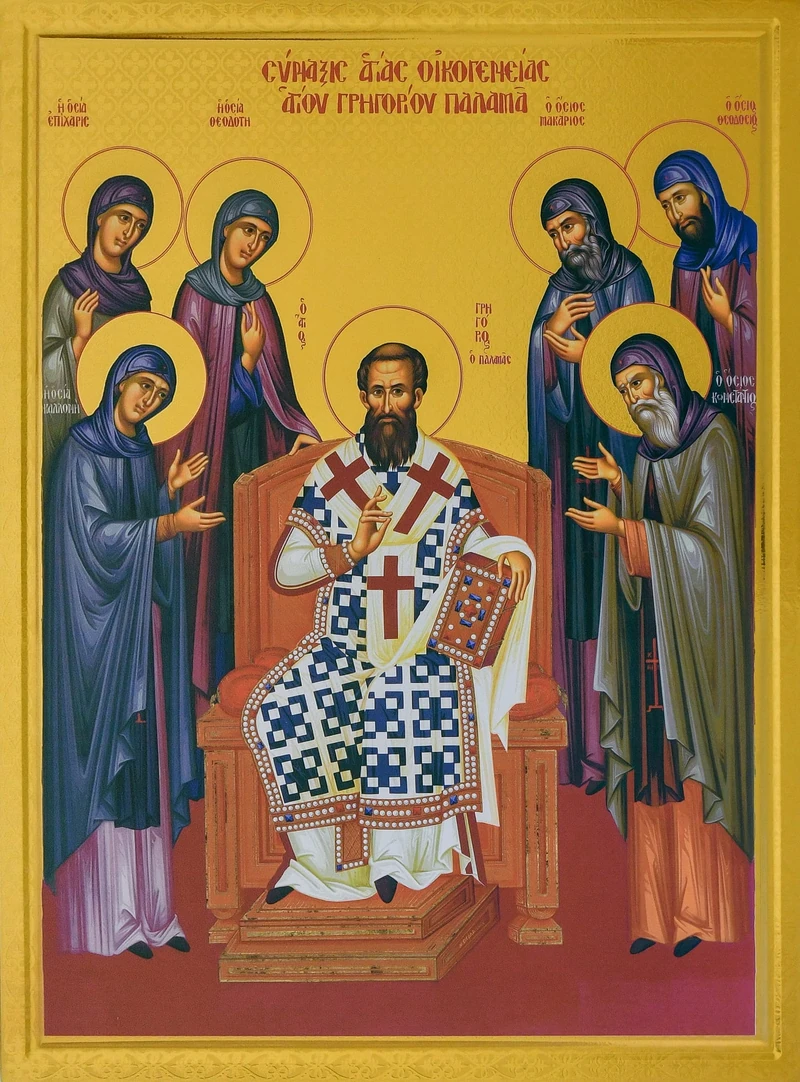
Gregory Palamas grew up in Constantinople and received a thorough education after his father died. Theoleptos guided him in watchfulness and prayer before he entered monastic life. Gregory went to Mount Athos with his brothers and lived near Vatopedi under Nicodemus, devoting himself to fasting, vigils and prayer. After serving at the Great Lavra and being ordained a priest, he settled near Veria. There he spent much of the week in solitude and joined the other monks for the weekend Liturgy, offering spiritual guidance afterward. He wrote about the lives of the saints and later defended the hesychasts’ understanding of prayer and divine grace in theological treatises. The controversy brought imprisonment as well as public responsibility. Elected Archbishop of Thessalonica, Gregory eventually returned to pastoral work there. During a later period of captivity, the received life says he continued speaking about Christ despite danger to his life. He died on November 14, 1359. Orthodox Christians commemorate him on November 14 and on the second Sunday of Great Lent.
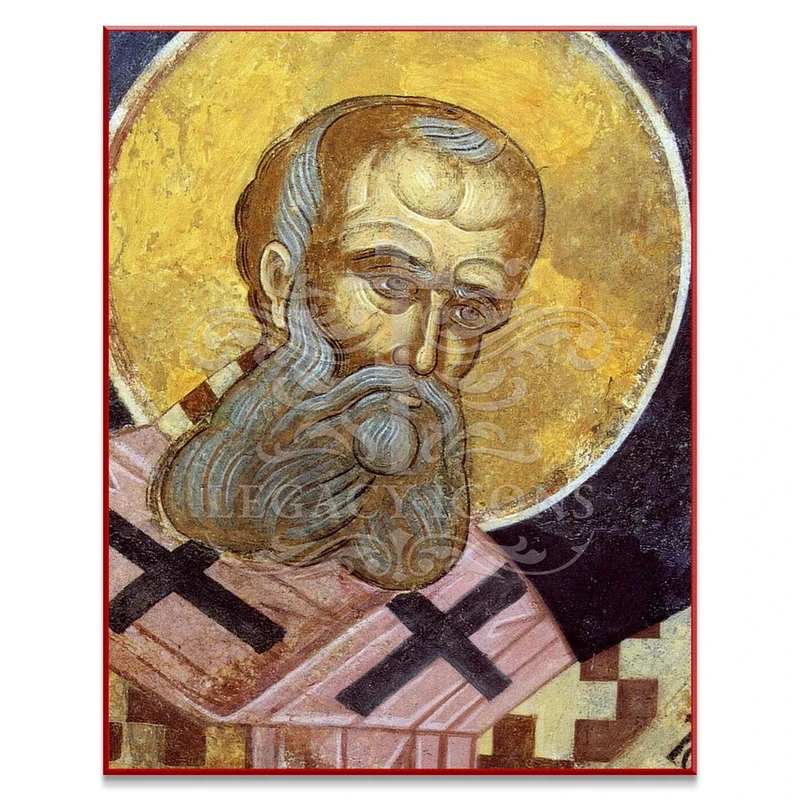
Gregory’s education and friendship with Basil the Great helped form a remarkable Christian teacher. He valued the quiet of prayer, yet accepted demanding responsibilities in the Church. His preaching in Constantinople explained the Christian confession of the Trinity with great care. The Church remembers him as the Theologian, honoring insight grounded in worship and a life directed toward God. His letters, poems, and sermons also reveal the demands of friendship and leadership. Gregory’s life can encourage readers who love study but need silence, or who serve publicly while feeling the weight of that responsibility.
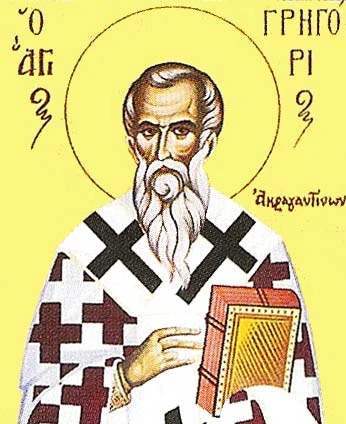
Gregory loved study and Scripture from childhood. He lived in Carthage, Antioch, Jerusalem and Constantinople before becoming bishop of his native Agrigentum in Sicily.
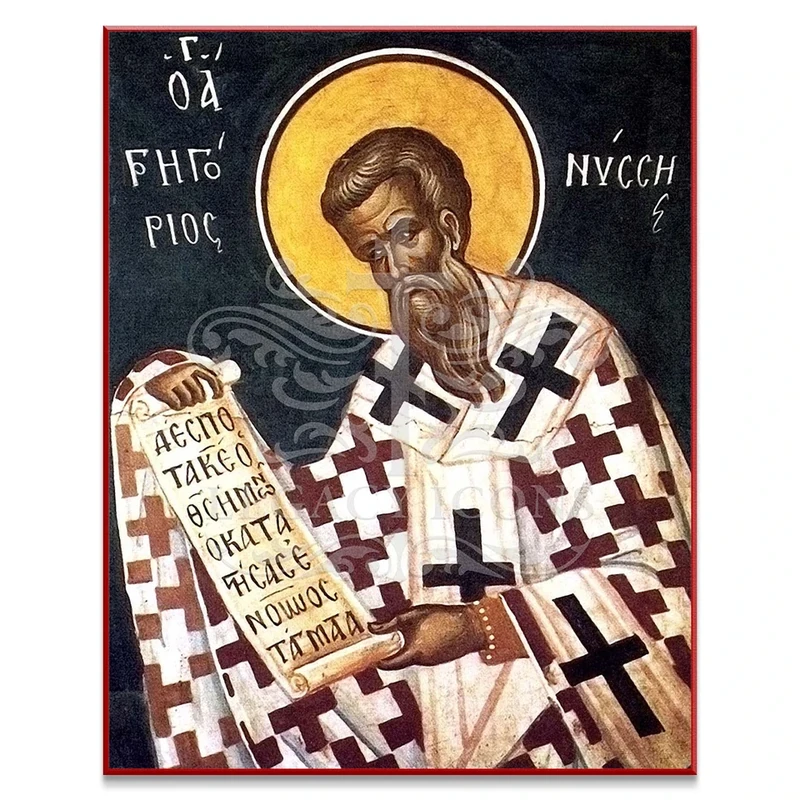
Gregory was the younger brother of Basil the Great and became Bishop of Nyssa after working as a teacher of rhetoric. He defended the Church’s confession of Christ during the Arian controversies and continued caring for his community even when removed from his see. He later participated in the council at Constantinople in 381. His theological writings joined careful thought with attention to the Christian life. The OCA account particularly remembers his patience, compassion, and love of peace. Gregory’s example gives learning a pastoral purpose: understanding should deepen care for people rather than distance the teacher from them.
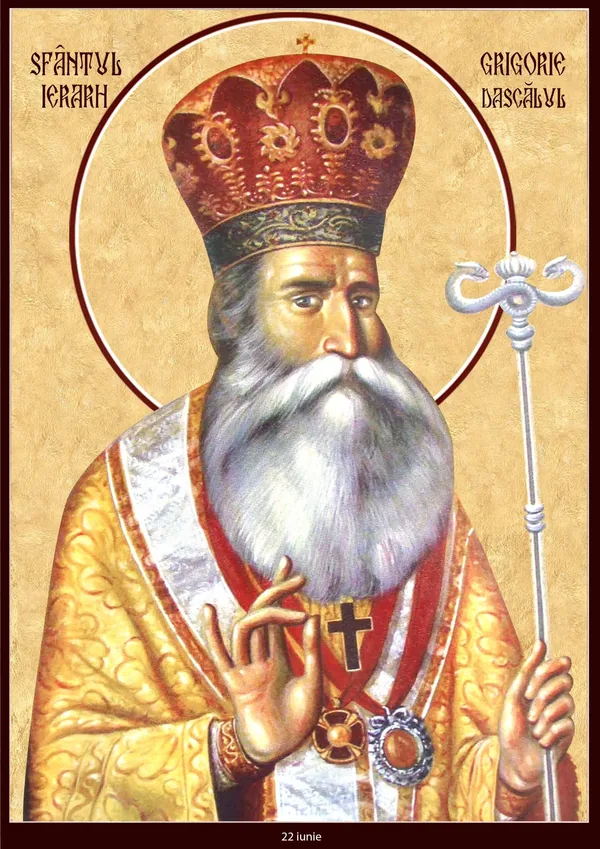
Grigorie became a monk at Neamț and translated Greek Christian writings into Romanian. As metropolitan of Wallachia, he supported schools, built churches, and helped poor families, widows, and children with food, shelter, and books. Political authorities sent him into exile, but he later returned to his ministry. Near the end of his life, he asked that the printing of saints’ lives continue.
The directory indexes the OCA full-year calendar, including leap-day commemorations, alongside additional researched profiles. Calendar entries include individual saints, groups, icons and feasts. An entry count is not a count of unique saints. Categories are provisional; follow the linked source.
Dates show commemorations in the referenced calendar year. Movable feasts change annually, and local calendars may differ. Additional jurisdictions, original biographies and icon research remain in progress. This collection does not yet claim complete Eastern Orthodox coverage.
Calendar metadata was retrieved through Orthocal’s source repository and the Orthodox Church in America. Source-only calendar records link to their original accounts; researched profiles include individually sourced artwork.
 Patron SaintTake the quiz