Martha lived in sixth-century Antioch and raised her son Simeon after her husband's death. She attended worship attentively, received Communion, and made time for prayer at night. Her service included feeding and clothing poor people, visiting those who were ill, caring for the dead, and sewing garments for people preparing for baptism. When Simeon became known as an ascetic on Wonderful Mountain, she urged him to thank God rather than take pride in his own efforts. Her life is remembered through these particular acts of care and counsel. Martha's witness joins the responsibilities of motherhood with generous service to a wider community.
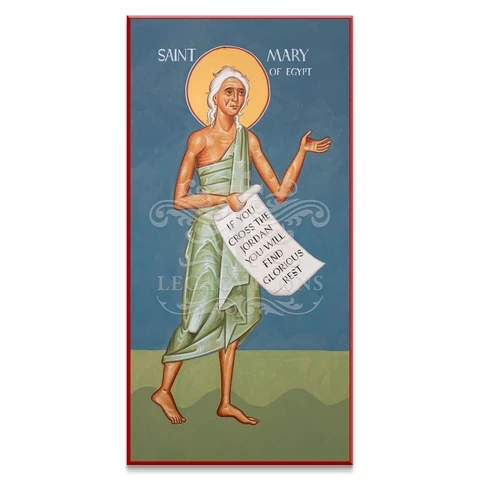
The traditional life of Mary of Egypt tells of a profound turning toward God in Jerusalem, followed by years of repentance in the desert. Her encounter with the monk Zosimas presents a life transformed through grace, prayer, and perseverance.
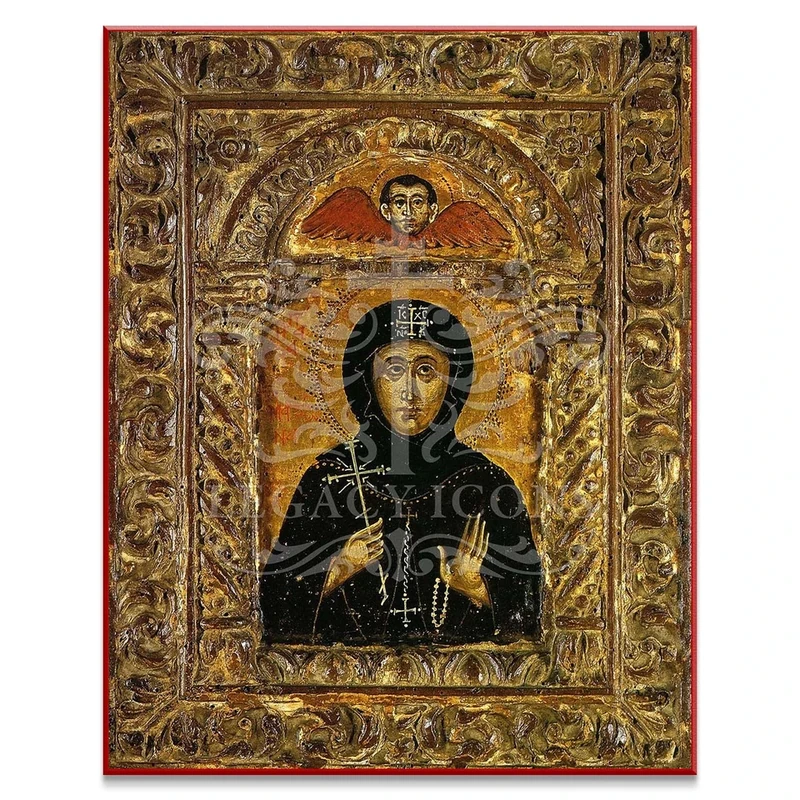
Matrona was born in Volissos on the island of Chios to the devout parents Leon and Anna. From her youth she desired monastic life. She withdrew to a quiet place and founded a small women’s monastery, where other nuns joined her in prayer and ascetic discipline. The OCA life remembers her charity toward poor people and the healing associated with her prayers. Her reputation for holiness spread across Chios. A service preserved in a manuscript dated 1455 helps locate her memory historically. Her commemoration joins the formation of a prayerful community with attention to people in need.
Matrona was born in Perge and later lived in Constantinople as a wife and mother. Her traditional life describes a strong desire for ascetic devotion amid conflict with her husband. After arranging care for her daughter, she entered monastic life, initially under the name Babylos. She later became abbess of a women’s monastery at Emesa. Further journeys took her through Jerusalem, Sinai, and Beirut, where women gathered around her. With the blessing of her spiritual father, she ultimately founded a women’s monastery in Constantinople. The Church remembers her perseverance in prayer and responsibility for monastic communities.
Maximus entered monastic life as a young man and received guidance from several elders before settling on Mount Athos. His received life emphasizes devotion to the Theotokos and sustained practice of the Jesus Prayer. For a time he moved between temporary shelters, concealing his ascetic work behind behavior others considered foolish. Gregory of Sinai later urged him to stop wandering and establish a permanent dwelling so that other people could benefit from his experience. Maximus accepted that counsel and became available as a spiritual guide. His commemoration remembers both a desire for hidden prayer and a willingness to change his practice after receiving advice.
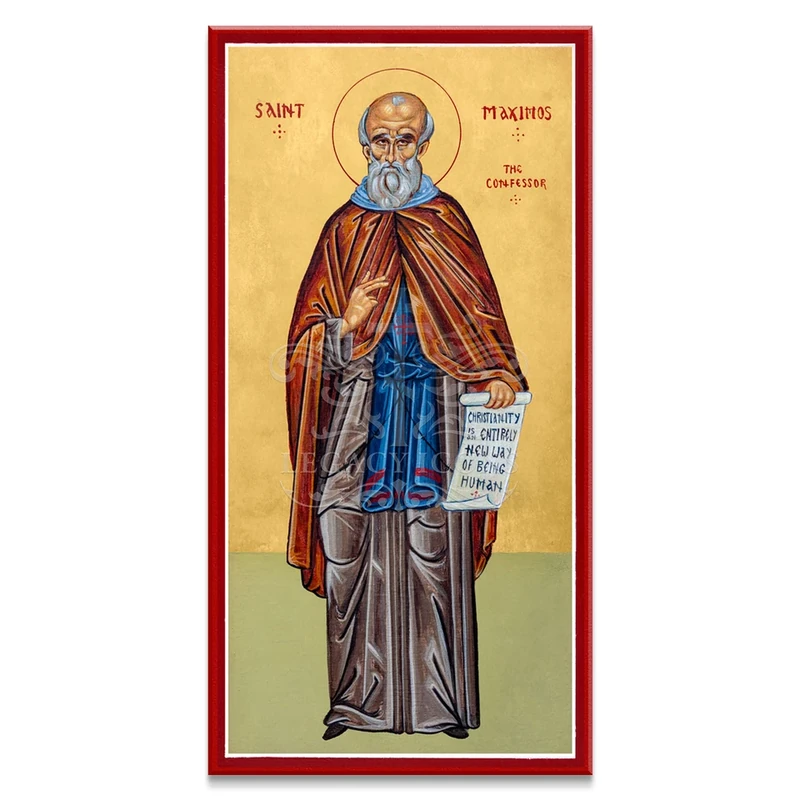
Maximus became a monk and a major interpreter of Christian teaching about Christ, worship, and the transformation of human life by grace. He defended the confession that Christ possesses a fully human will as well as a divine will, refusing an imperial demand to silence the dispute. That commitment brought trial, mutilation, and exile. His writings range from explanations of difficult theology to reflection on love and prayer. The Church honors him as a confessor whose costly witness protected the meaning of Christ’s humanity. Intellectual precision and a life directed toward God meet in his example.
The directory indexes the OCA full-year calendar, including leap-day commemorations, alongside additional researched profiles. Calendar entries include individual saints, groups, icons and feasts. An entry count is not a count of unique saints. Categories are provisional; follow the linked source.
Dates show commemorations in the referenced calendar year. Movable feasts change annually, and local calendars may differ. Additional jurisdictions, original biographies and icon research remain in progress. This collection does not yet claim complete Eastern Orthodox coverage.
Calendar metadata was retrieved through Orthocal’s source repository and the Orthodox Church in America. Source-only calendar records link to their original accounts; researched profiles include individually sourced artwork.
 Patron SaintTake the quiz