Maximus received a broad education before becoming a monk at Vatopedi on Mount Athos. Invited to Moscow for his knowledge of Greek, he translated and revised patristic and liturgical books into Slavonic. The work required collaboration and brought criticism over linguistic errors. His opposition to the grand prince's proposed divorce also exposed him to political hostility. Imprisonment and years of restriction followed, but Maximus continued writing and later resumed translation with his disciple Nilus. He died in 1556. His life connects scholarship with conscience, remembering a learned monk who kept working despite injustice and acknowledged the difficulty of translating into another language.
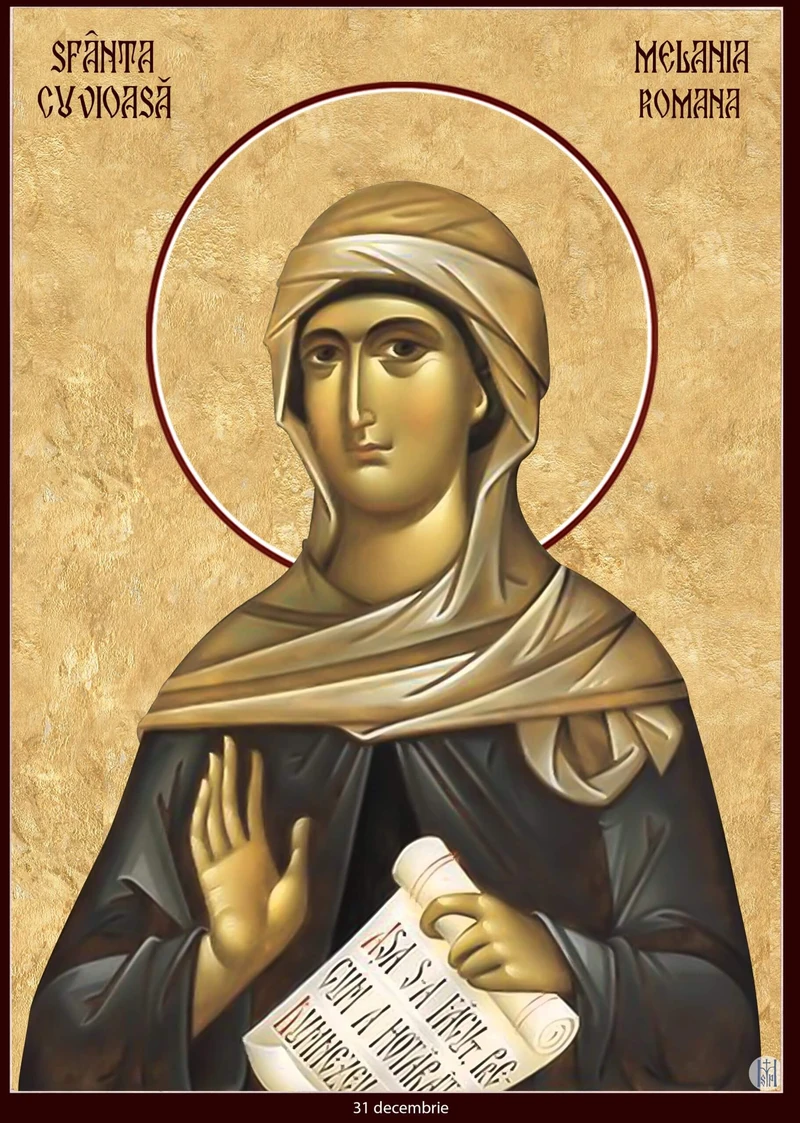
Melania came from a wealthy Christian family in Rome and married Apinianus. After the deaths of their children, the couple devoted their resources to a life of service and prayer. They helped sick people, prisoners, travelers, widows, and orphans, supporting churches, hospitals, and monasteries across several regions. Melania later lived near Jerusalem and founded a women’s monastery on the Mount of Olives. Her teaching emphasized prayer and love for God and one another. Her witness shows generosity as a sustained change of life, allowing possessions to become care rather than a claim to importance.
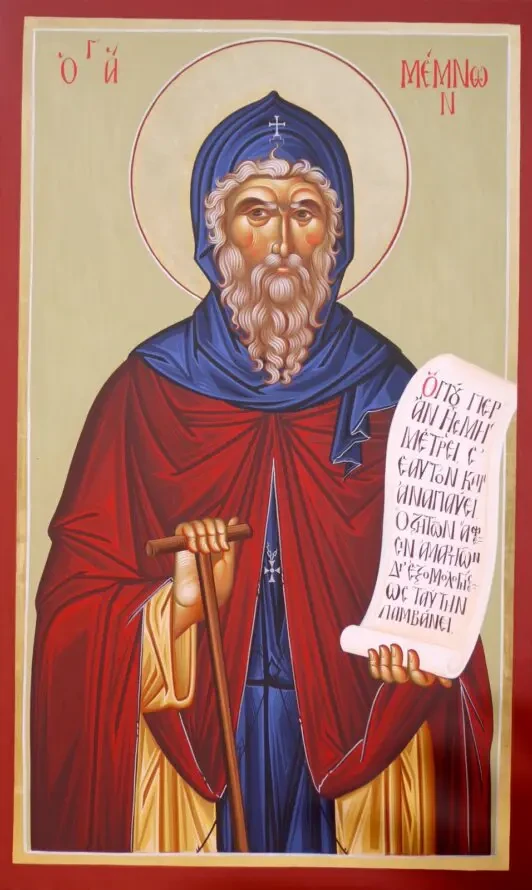
Memnon embraced monastic life when young and became a leader of monks. The received life remembers him for prayer and for help given during danger and scarcity. It tells of water appearing in a dry place through his prayer and of protection during storms and crop-destroying infestations. He is commemorated as a wonderworker.
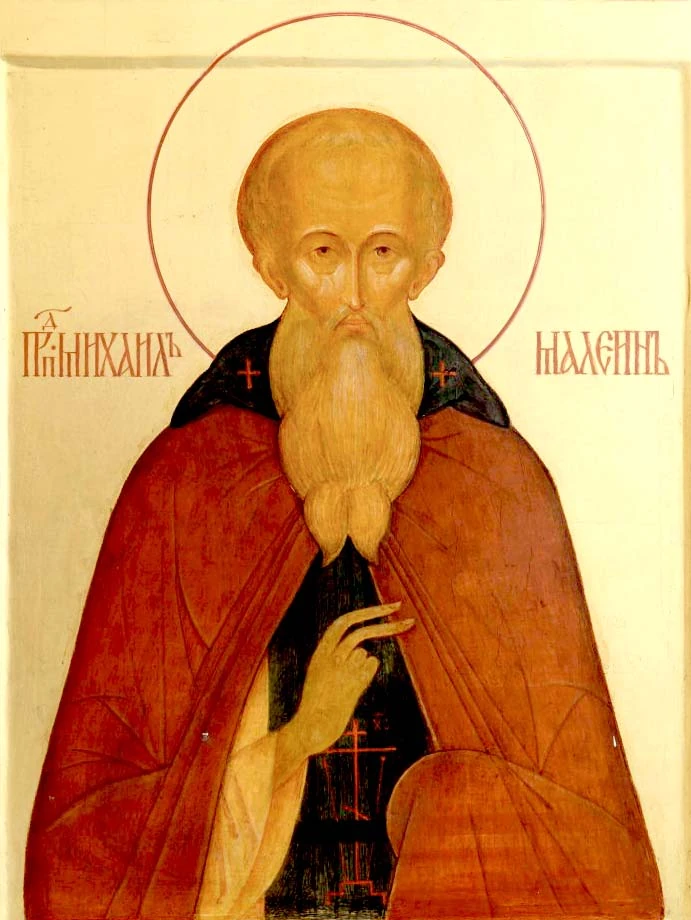
Michael was born in Cappadocia and was baptized Manuel. He entered the monastery at Kyminas under John Heladites and later became a priest. He studied Scripture, prayed for people and offered comfort to those who came to him. With his elder’s blessing, he spent part of each week in solitude and returned to the community for worship. Michael established monastic communities around Kyminas. Among those who joined him was Abraham, whom he named Athanasius, the future founder of the Great Lavra on Mount Athos.
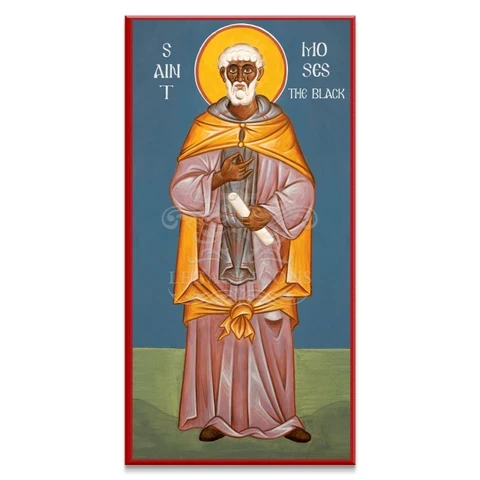
Moses entered the monastic life in Egypt after a violent past. Through repentance and the discipline of community life, he became known for humility. His life offers a powerful example of refusing to define a person by earlier wrongdoing.
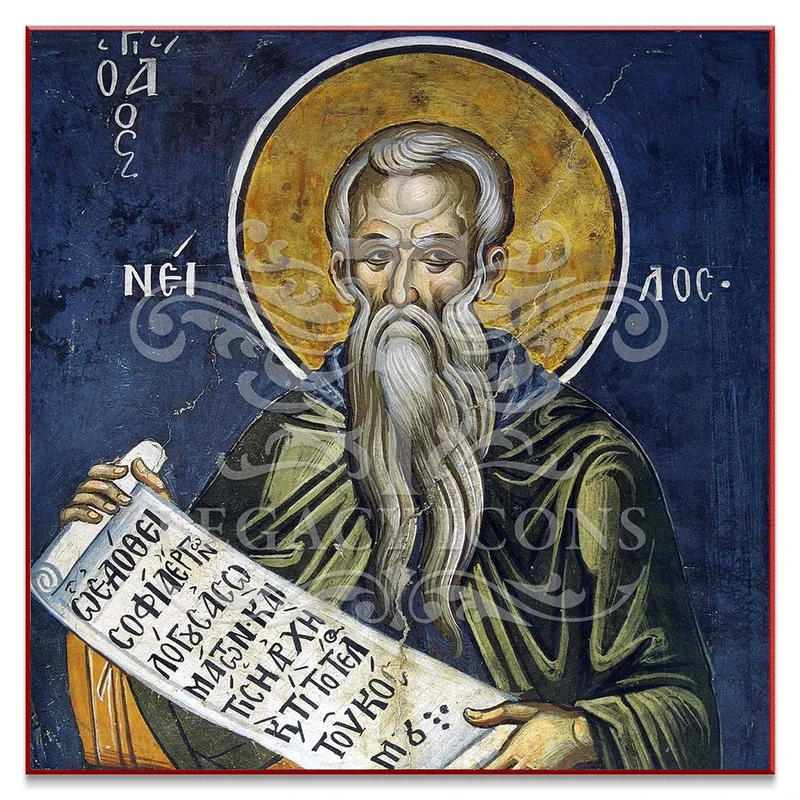
Neilos was educated in Constantinople and held public responsibility before entering monastic life. The traditional account describes that change as a mutual decision with his wife, with their children also joining monastic communities. On Sinai he lived with his son Theodoulos and offered counsel to people from many occupations. His writings explained the ascetic life and defended John Chrysostom against unjust treatment. He also endured the capture of his son and their eventual reunion. His commemoration remembers prayer and clear teaching offered to people beyond the boundaries of a solitary life.
The directory indexes the OCA full-year calendar, including leap-day commemorations, alongside additional researched profiles. Calendar entries include individual saints, groups, icons and feasts. An entry count is not a count of unique saints. Categories are provisional; follow the linked source.
Dates show commemorations in the referenced calendar year. Movable feasts change annually, and local calendars may differ. Additional jurisdictions, original biographies and icon research remain in progress. This collection does not yet claim complete Eastern Orthodox coverage.
Calendar metadata was retrieved through Orthocal’s source repository and the Orthodox Church in America. Source-only calendar records link to their original accounts; researched profiles include individually sourced artwork.
 Patron SaintTake the quiz