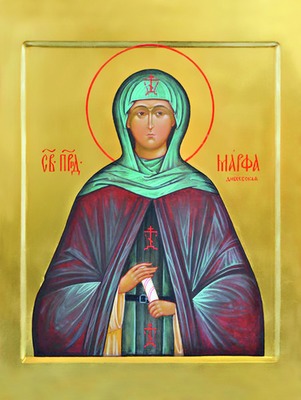
Martha, born Maria Milyukova in a peasant family, entered the Diveyevo community while still young under the guidance of Seraphim of Sarov. Her short monastic life included demanding practical work for the developing community. She stored timber for its mill, carried bricks for the church, ground flour, and fulfilled other assignments. The OCA's life emphasizes that she joined these tasks to prayer rather than treating work and worship as separate obligations. She died in 1829 at nineteen. Her commemoration remembers quiet service during a community's beginnings; the visions and promises reported around her life belong to the monastery's received spiritual tradition.
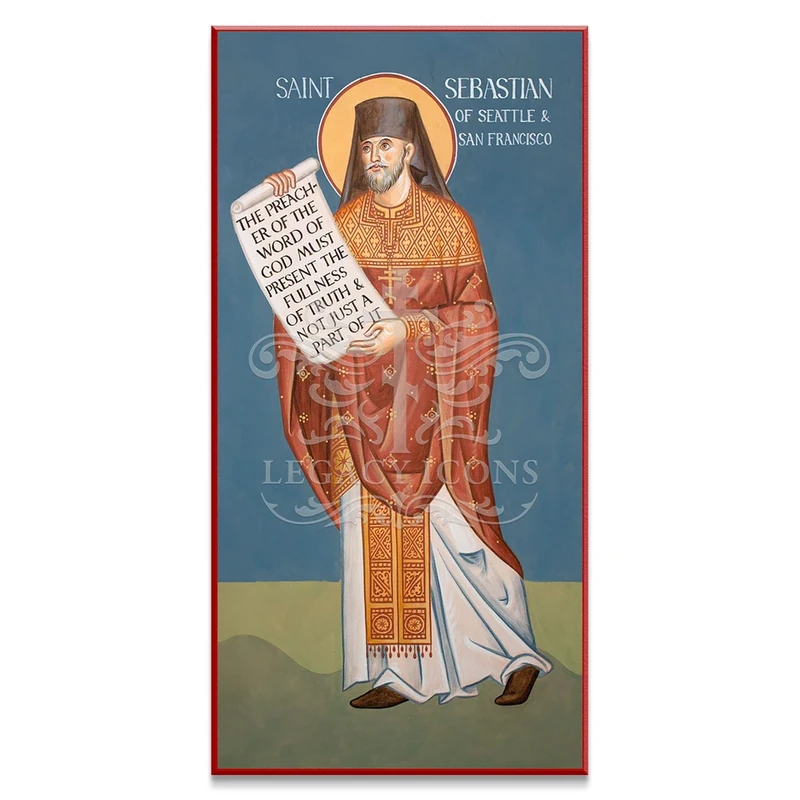
Sebastian Dabovich was born in San Francisco to Serbian immigrant parents. After theological study in Russia, he returned to serve Orthodox communities in the United States. His work included preaching in English, Serbian, and Russian, supporting the North American mission, and building a church for the Serbian community in Jackson, California. He traveled across oceans repeatedly for pastoral responsibilities and visited the mission in Japan. Later he served in Serbia, including wartime chaplaincy, before retiring to a monastery. His life remembers a priest whose service crossed languages and borders without losing attention to particular communities.
Seraphim, born Basil Muraviev, supported his family through work before becoming a successful merchant. He married Olga and raised a family, later giving away much of his wealth. In time both spouses entered monastic life. He became a confessor at the Alexander Nevsky Lavra and later lived at Vyritsa, where people came for counsel and consolation. The OCA life places his ministry amid persecution, illness, and war. Even as his health declined, he continued to receive visitors. His remembrance shows a vocation unfolding through different stages, from family responsibilities and business to sustained prayer and spiritual companionship.
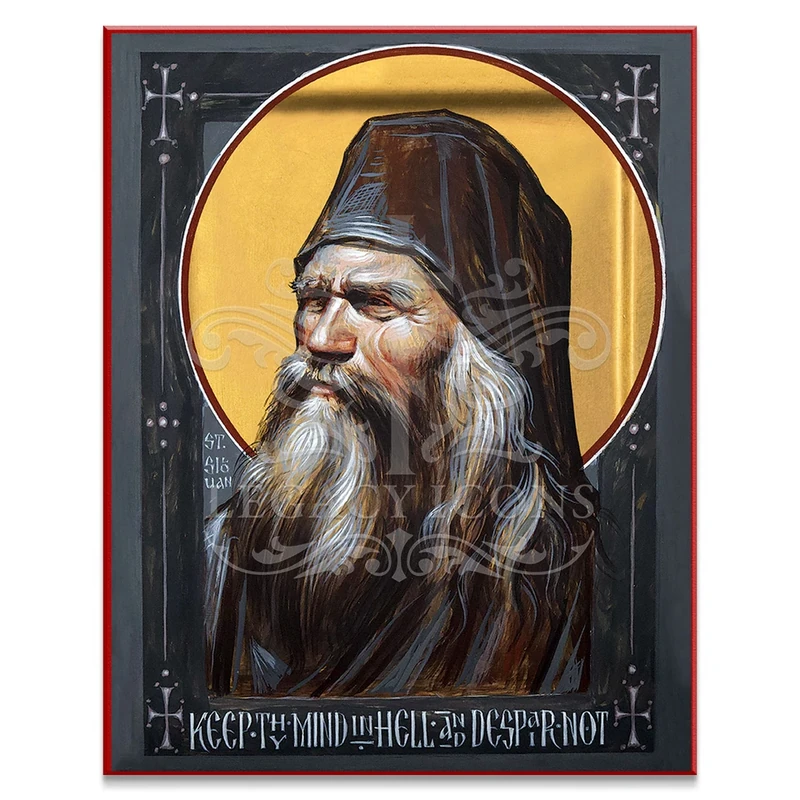
Silouan grew up in a Russian peasant family and entered the Monastery of Saint Panteleimon on Mount Athos. His decades of monastic life included practical responsibilities as well as sustained prayer. He is especially remembered for teaching that love for enemies reveals the work of the Holy Spirit in a person’s heart. His disciple Sophrony preserved his life and writings, carrying that witness beyond Athos. Silouan’s example directs attention away from spiritual achievement and toward humility, repentance, and concern for every person, including those whose hostility makes love difficult.
Simeon was the son of Martha of Antioch and became a monk under the guidance of an elder named John. His received life describes a distinctive ascetic vocation on a pillar, followed by the establishment of a community on Wonderful Mountain. Alongside prayer, he read books, copied Scripture, offered counsel, and wrote about repentance, monastic life, and the Incarnation. Visitors sought his spiritual guidance, while the monastery needed ordinary provisions such as water and grain. The Church remembers him as both a solitary ascetic and a teacher with responsibility for other people. He is distinct from Simeon Stylites the Elder of the preceding century.
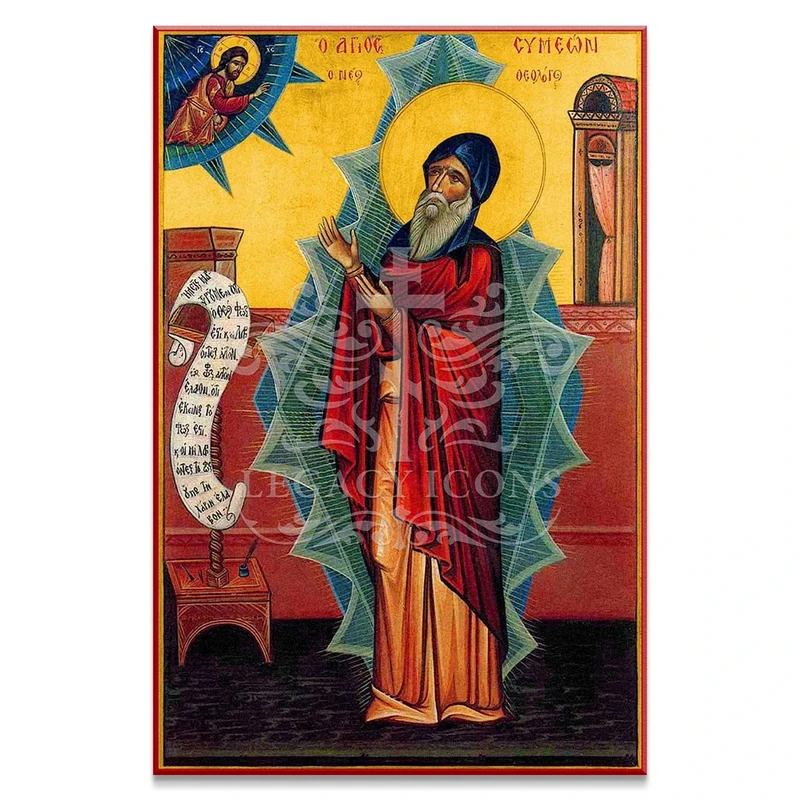
Simeon received an education and held a position at court before entering monastic life under spiritual guidance. He took seriously the call to put what he read into practice, joining daily responsibilities with prayer. Later he restored and led the monastery of Saint Mamas and wrote teachings and hymns about the life of faith. When monks who had attacked him faced punishment, he asked that they receive leniency. His witness joins prayerful attention with mercy. The Church remembers him as the New Theologian, honoring a teaching rooted in the desire to know God through a transformed life.
The directory indexes the OCA full-year calendar, including leap-day commemorations, alongside additional researched profiles. Calendar entries include individual saints, groups, icons and feasts. An entry count is not a count of unique saints. Categories are provisional; follow the linked source.
Dates show commemorations in the referenced calendar year. Movable feasts change annually, and local calendars may differ. Additional jurisdictions, original biographies and icon research remain in progress. This collection does not yet claim complete Eastern Orthodox coverage.
Calendar metadata was retrieved through Orthocal’s source repository and the Orthodox Church in America. Source-only calendar records link to their original accounts; researched profiles include individually sourced artwork.
 Patron SaintTake the quiz