Prokopios became a monk in the region of Decapolis and devoted himself to prayer and fasting. During the controversy over holy images, he defended the distinction between worship offered to God and the honor shown through an icon to the person depicted. His opposition to imperial policy led to arrest, torture, and imprisonment with his fellow monk Basil. After their release, Prokopios returned to monastic life and continued guiding other people in Christian faith and conduct. The Church remembers him as a confessor whose teaching survived the attempt to silence it. His witness joined a considered explanation of icon veneration to personal courage.
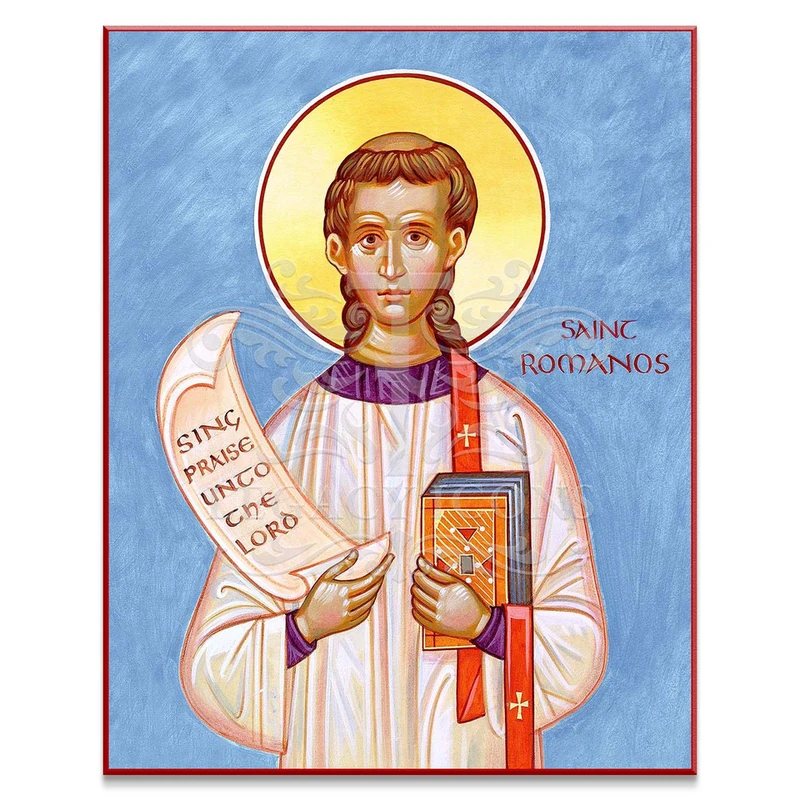
Romanus came from Emesa and served the Church in Constantinople. His traditional life remembers a young church servant deeply distressed after public ridicule of his reading and singing. In prayer he received encouragement, and the account associates his gift for hymn writing with a vision of the Mother of God. He became a deacon and teacher of song, composing hymns that helped Christians hear the Gospel through worship. Romanus’s example gives hope to someone whose first efforts disappoint: a gift can develop into generous service when discouragement is brought to prayer rather than allowed to silence the person.
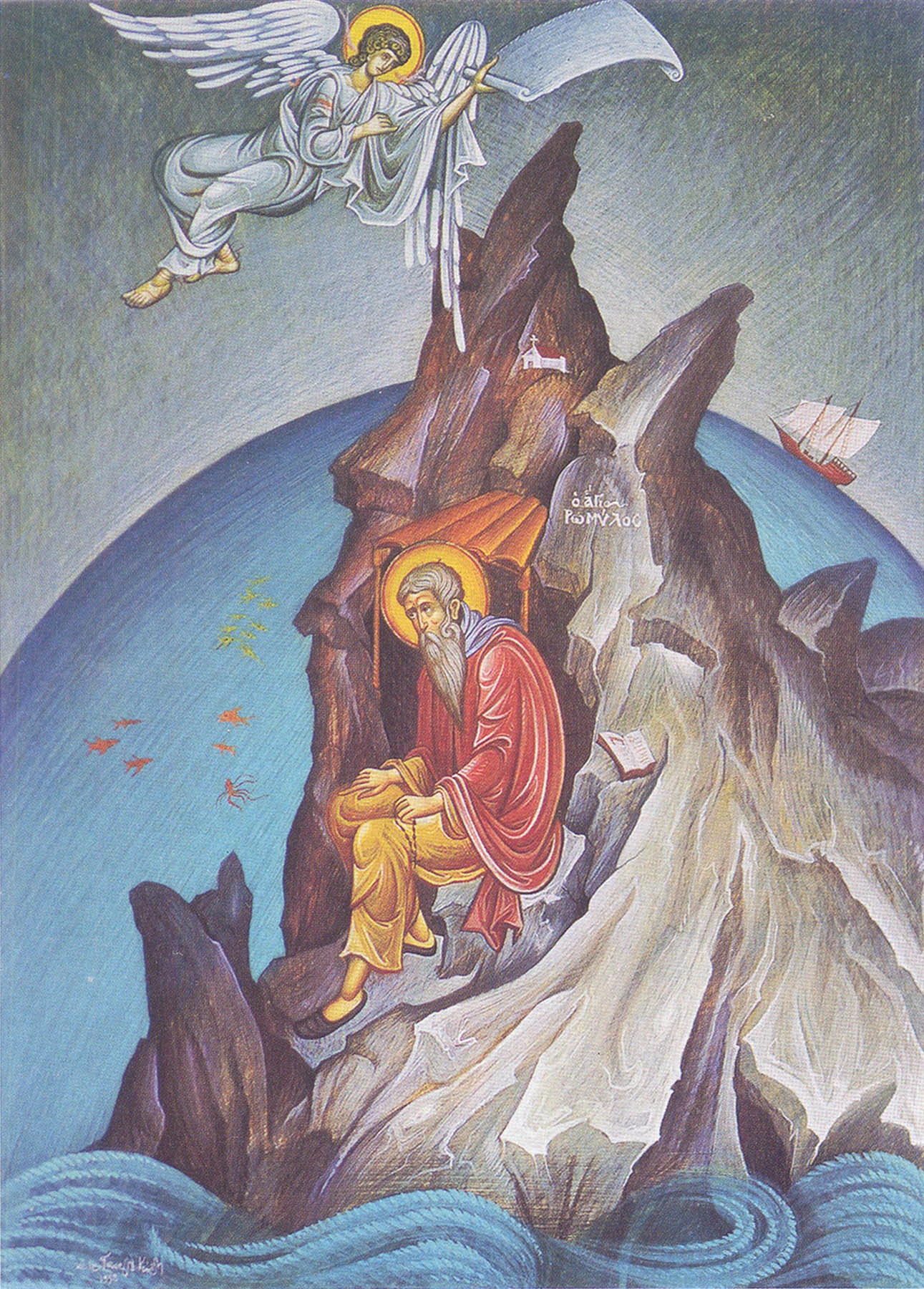
Romil was born in Vidin and entered monastic life at Tărnovo, taking the name Roman. He learned from Gregory of Sinai at Paroria and later lived on Mount Athos. The life written by his disciple Gregory describes his work in building, cooking and caring for sick monks. Romil also helped other monks construct their cells and brought food for the work. He offered counsel to visitors while seeking time for quiet prayer. After leaving Athos and spending time at Avlona, he settled near Ravanica in Serbia, where he died.
Sabbatius entered monastic life at the White Lake monastery and later moved to Valaam. The attention he received led him to seek greater solitude farther north. With the hermit Germanus, he crossed the White Sea to Solovki, where the companions raised a cross and built cells in a demanding climate. Near the end of his life he returned to the mainland to receive Communion and prepare for death. His burial was recorded by those who met him there. The island later became the center of a larger monastic tradition, preserving his place among its early founders.
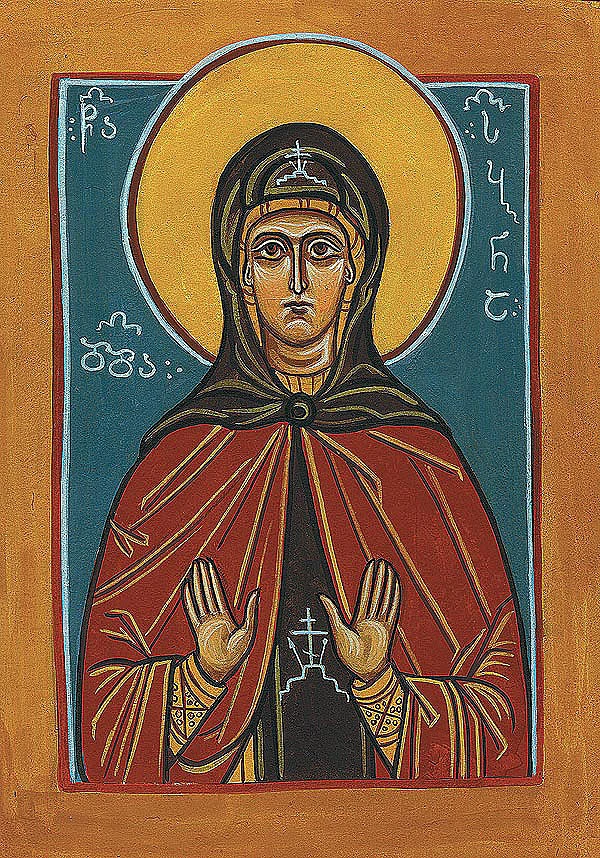
Sabiana guided the women’s monastery at Tadzrisi in the Georgian region of Samtskhe. The life of George of the Holy Mountain preserves a small but specific record of her ministry. When George’s parents entrusted their daughter Thekla to the monastery, Sabiana welcomed and raised her with a mother’s care. George himself later came as a young child, and Sabiana spent three years teaching him and guiding his spiritual formation. The OCA account acknowledges that further details have not survived. Her remembrance therefore rests on identifiable acts of education and nurture, rather than a reconstructed biography filling those silences.
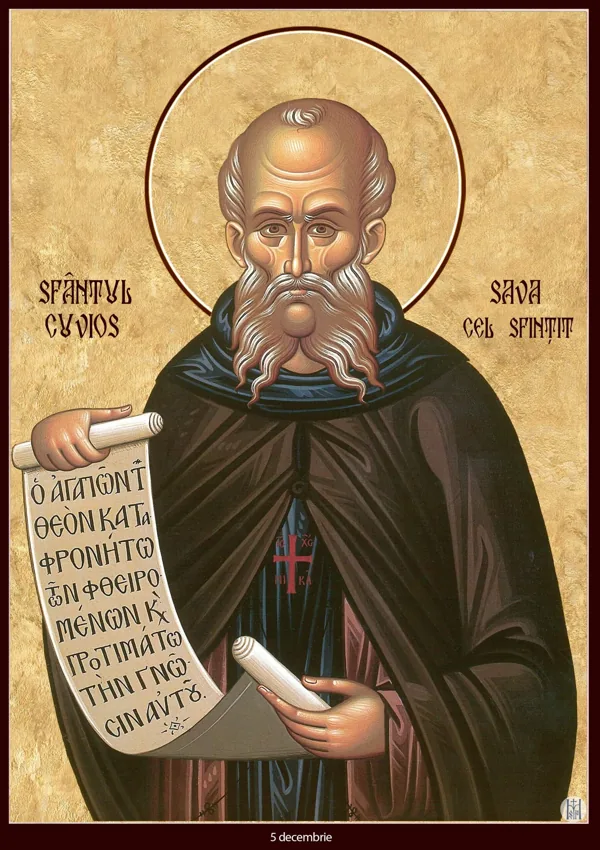
Savva entered monastic life young and later traveled from Cappadocia to the Holy Land. He learned under experienced guides, including Euthymius and Theoctistus, before receiving a blessing for solitude. Over time, monks gathered around him and several communities developed under his care. The Church connects his memory with the ordering of monastic worship in Palestine. Savva’s example gives patient learning an important place before leadership. His years of ordinary obedience and prayer came before responsibility for others, showing how a community can grow from a life that first learns to receive guidance.
The directory indexes the OCA full-year calendar, including leap-day commemorations, alongside additional researched profiles. Calendar entries include individual saints, groups, icons and feasts. An entry count is not a count of unique saints. Categories are provisional; follow the linked source.
Dates show commemorations in the referenced calendar year. Movable feasts change annually, and local calendars may differ. Additional jurisdictions, original biographies and icon research remain in progress. This collection does not yet claim complete Eastern Orthodox coverage.
Calendar metadata was retrieved through Orthocal’s source repository and the Orthodox Church in America. Source-only calendar records link to their original accounts; researched profiles include individually sourced artwork.
 Patron SaintTake the quiz