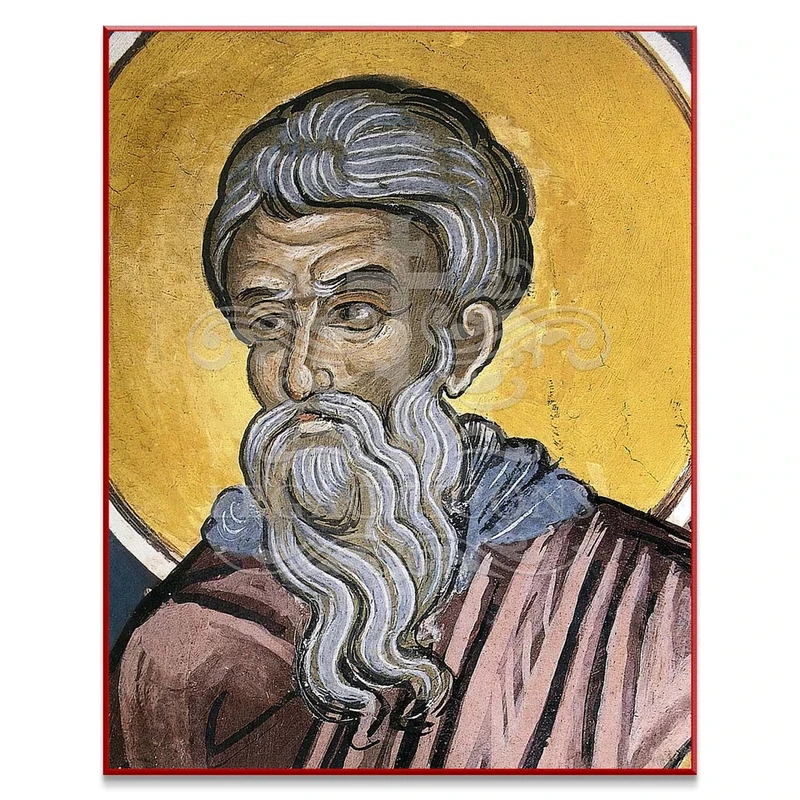
Sisoes lived for many years in the Egyptian desert, in a place associated with Anthony the Great. His traditional life remembers a man strict with himself but gentle and merciful toward people who came for counsel. He taught humility and confidence in God’s readiness to receive sincere repentance. Even near death, he regarded his own repentance as unfinished rather than presenting his years of prayer as a personal accomplishment. Sisoes’s witness offers a useful measure of spiritual growth: increasing devotion should deepen mercy toward others and make a person less eager to praise himself.
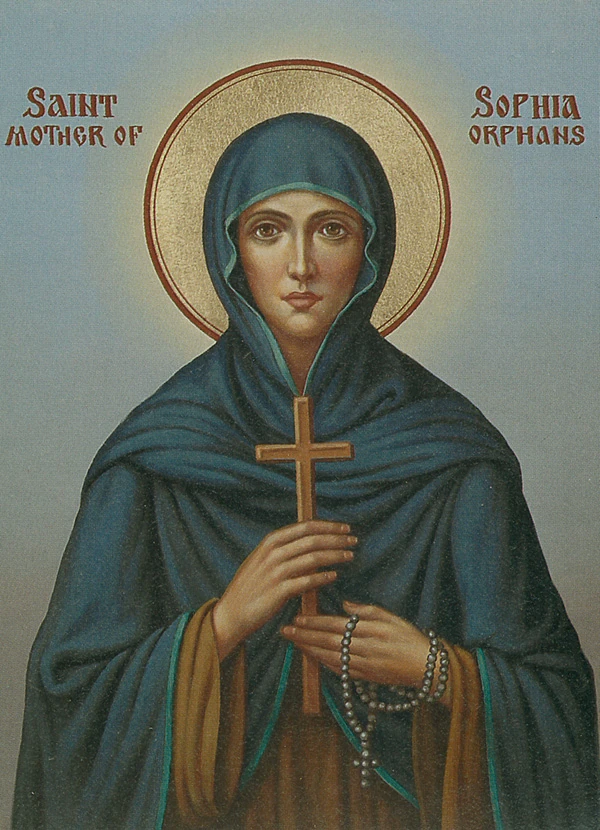
Sophia of Ainos lived in Thrace, where marriage and the care of six children formed her early adult life. After illness took her husband and children, she turned her grief toward the needs of other families. The Orthodox account remembers her sheltering orphans, supporting widows, and using her property for people in poverty. Prayer and the Psalms accompanied this practical generosity. She received monastic tonsure near the end of her life, after years of service outside a monastery. Often remembered as a mother of orphans, Sophia offers an example of love that continues to make room for neighbors after devastating loss.
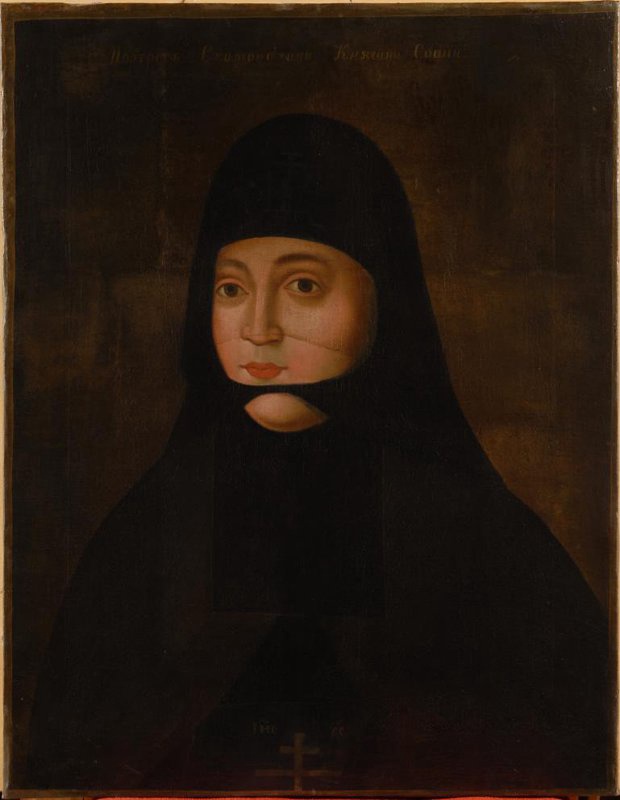
Sophia of Suzdal was born Solomonia Saburova and married Grand Prince Basil III in 1505. After twenty years without an heir, Basil arranged a divorce despite opposition from churchmen. Solomonia was forcibly tonsured with the name Sophia in 1525 and eventually confined to the Protection Monastery in Suzdal. The OCA's account explicitly recognizes the injustice of her treatment. Within monastic life, she devoted herself to prayer and died in 1542 after seventeen years as a nun. Her memory endured among people who visited her tomb. She is honored for holiness amid suffering, without making the coercion imposed upon her an acceptable model.
Simeon was known as Stephen Nemanja during his years as a Serbian ruler. His public work included uniting lands and supporting the Orthodox Church. Later in life he left political responsibilities and went to Mount Athos, where his son Sava was living as a monk. Together they restored Hilandar monastery, which drew monks from different places. The OCA life remembers Simeon as an ascetic and a wise guide within that community. After his death, his relics were brought to Studenica. His commemoration joins a major change of vocation with continuing responsibility for worship and shared life.
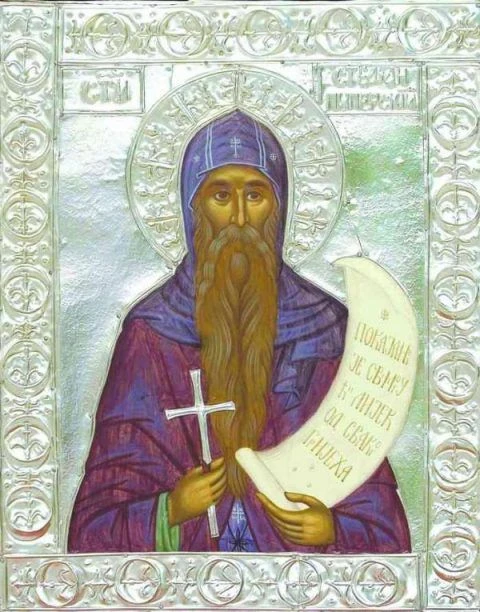
Stephen came from Kuti in the Nikšić region and entered Morača Monastery, where he became a monk, priest and abbot. After threats against his life, he entrusted the monastery to the brotherhood and withdrew to Trmanje. He later settled above Crnci in Piperi, built a church dedicated to the Nativity of the Mother of God and gathered monks around him. He continued visiting local people and teaching the Christian faith. He died in 1697.
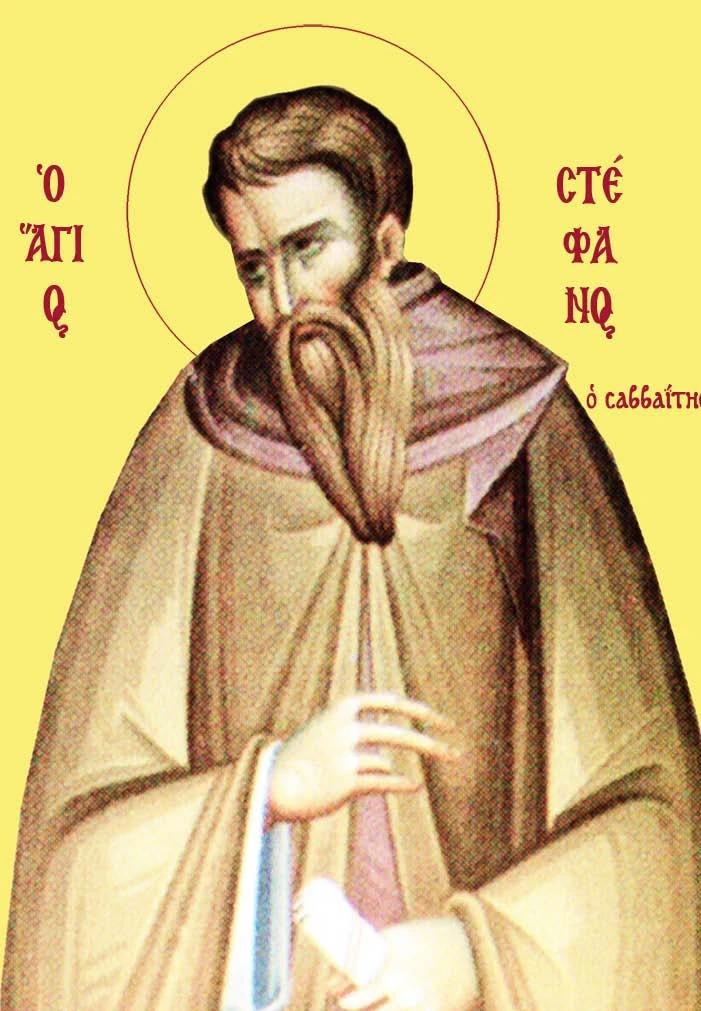
Stephen entered the Monastery of Saint Savva in Palestine while young. He is remembered on July 13 among the venerable monks of the Church. The received life recalls his peaceful death.
The directory indexes the OCA full-year calendar, including leap-day commemorations, alongside additional researched profiles. Calendar entries include individual saints, groups, icons and feasts. An entry count is not a count of unique saints. Categories are provisional; follow the linked source.
Dates show commemorations in the referenced calendar year. Movable feasts change annually, and local calendars may differ. Additional jurisdictions, original biographies and icon research remain in progress. This collection does not yet claim complete Eastern Orthodox coverage.
Calendar metadata was retrieved through Orthocal’s source repository and the Orthodox Church in America. Source-only calendar records link to their original accounts; researched profiles include individually sourced artwork.
 Patron SaintTake the quiz