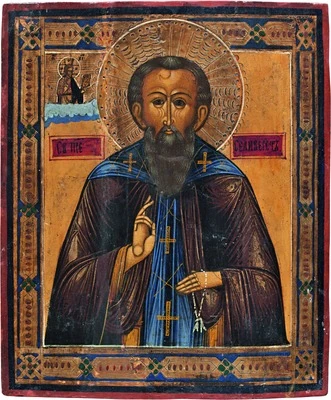
Sylvester was a disciple of Sergius of Radonezh who settled in the forest beside the Obnora River. The received life remembers him welcoming people who came for spiritual guidance. Other monks gathered near his cell, and a monastery dedicated to the Resurrection was established with Metropolitan Alexis’s blessing. Sylvester became its first abbot while continuing to seek periods of quiet prayer. He died around 1379.
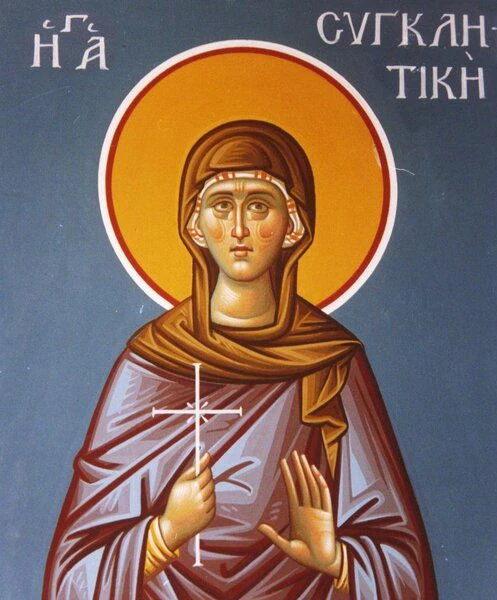
Syncletica came from a wealthy family in Alexandria and desired a life devoted to God from her youth. After her parents died, she gave her inheritance to poor people and withdrew with her younger sister. Other women gradually gathered around her, seeking guidance for their own ascetic lives. She taught through both words and the conduct of her life. In old age she endured a serious illness, continuing to instruct the women in her care before her death around 350. The Church remembers her as a spiritual mother whose generosity and patient teaching grew from sustained prayer.
Thais is remembered in an Egyptian penitential narrative as a woman whose encounter with Paphnutius, an Egyptian monk, led to a decisive change of life. The account describes her giving up the wealth connected with prostitution and entering a secluded cell. There she repeatedly asked her Creator for mercy and spoke honestly about her past. Paphnutius later emphasized the sincerity of her repentance rather than the harshness of her confinement. Orthodox devotion remembers her as someone received by God's mercy. The story's severe restrictions and blaming language require pastoral care, especially when discussing women whose circumstances may include exploitation or coercion.
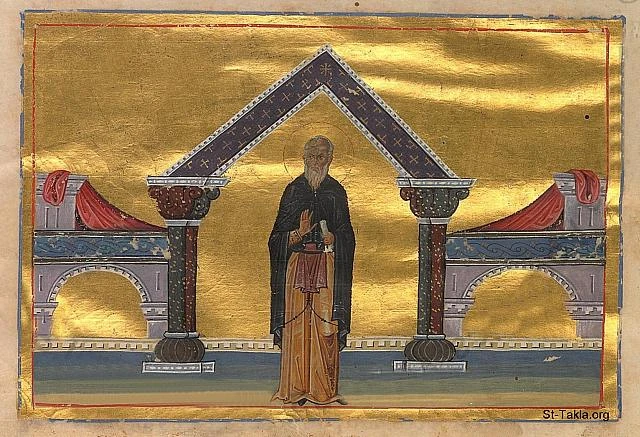
Thalelaeus was a monk from Cilicia who lived as a hermit near Gabala in Syria during the fifth century. The received life remembers his sustained prayer and his counsel about repentance. People came to him seeking guidance and encouragement.
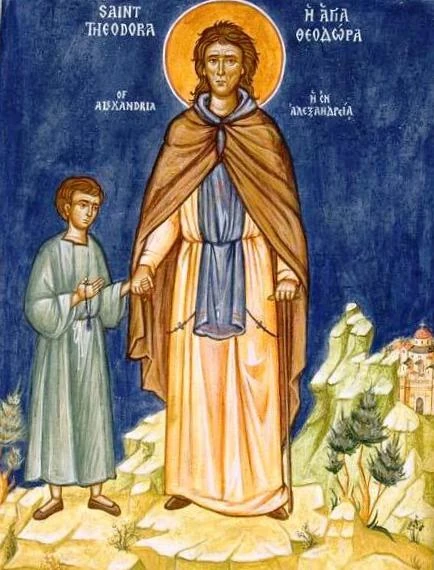
Theodora’s traditional life describes repentance after a breach of fidelity in marriage. An abbess encouraged her to trust in God’s forgiveness. She entered a monastery under the name Theodore and became known for prayer, work, and humility. Later a false accusation resulted in her expulsion and the care of an infant entrusted to her. She raised the child through years of hardship before returning to the community. Before her death she taught the child gentleness, freedom from greed, and faithfulness in shared prayer. Her story remembers repentance joined to sustained care for someone vulnerable.
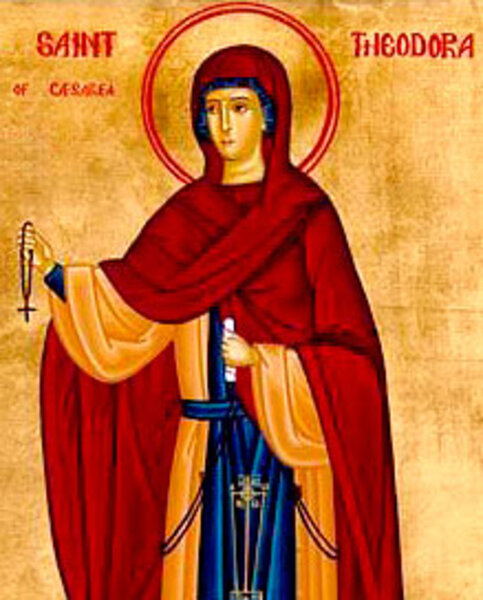
Theodora's received life places her in eighth-century Cappadocia, where she entered a convent dedicated to Saint Anna and studied spiritual writings. The narrative describes her removal to Constantinople for a marriage arranged against her wishes. After her husband died during an attack, she returned to the convent and received monastic tonsure before an imperial messenger could take her away again. Her remaining years were devoted to fasting, vigil, and prayer. The Church remembers her desire to continue a religious vocation despite external pressure. The account's imperial setting and dramatic wedding events require careful historical comparison rather than treatment as independently established chronology.
The directory indexes the OCA full-year calendar, including leap-day commemorations, alongside additional researched profiles. Calendar entries include individual saints, groups, icons and feasts. An entry count is not a count of unique saints. Categories are provisional; follow the linked source.
Dates show commemorations in the referenced calendar year. Movable feasts change annually, and local calendars may differ. Additional jurisdictions, original biographies and icon research remain in progress. This collection does not yet claim complete Eastern Orthodox coverage.
Calendar metadata was retrieved through Orthocal’s source repository and the Orthodox Church in America. Source-only calendar records link to their original accounts; researched profiles include individually sourced artwork.
 Patron SaintTake the quiz