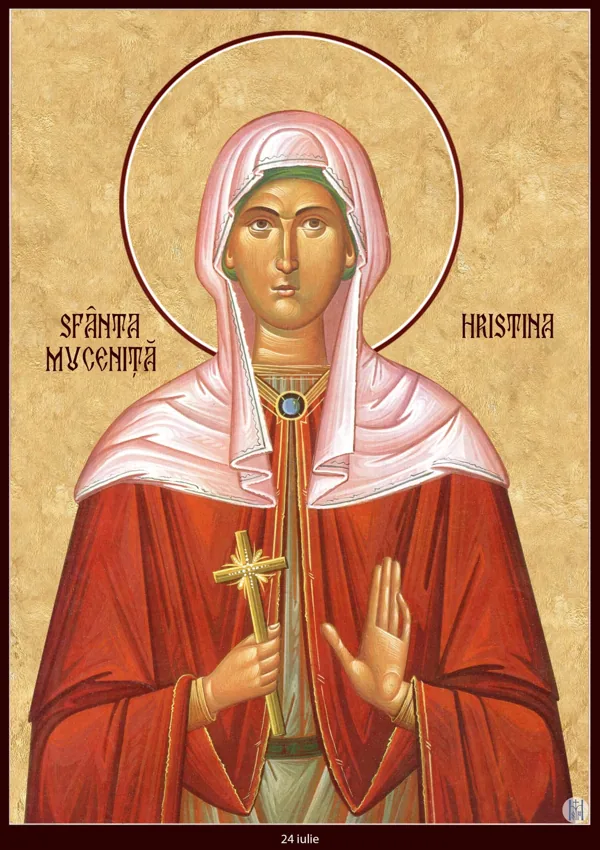
Christina was the daughter of a wealthy governor of Tyre. Her traditional life describes a girl who looked at the beauty of the world and questioned whether objects made by human hands could be its creator. She began to seek the one God in prayer and embraced faith in Christ. Her father’s plans for her religious future turned into coercion when he learned of her conversion. Christina remained faithful through imprisonment and successive governors. The account also remembers her drawing visitors toward Christ. Her witness begins with attentive wonder and develops into steadfast confession.
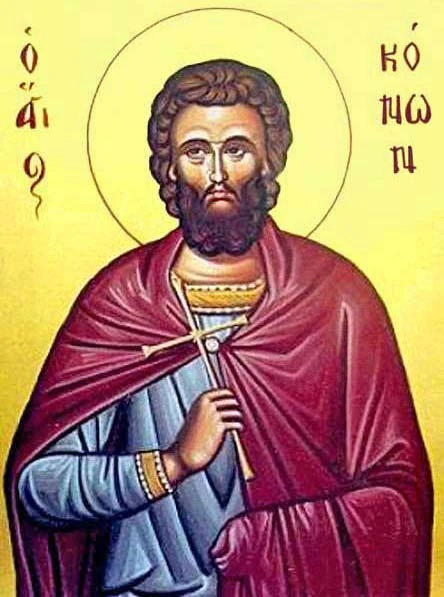
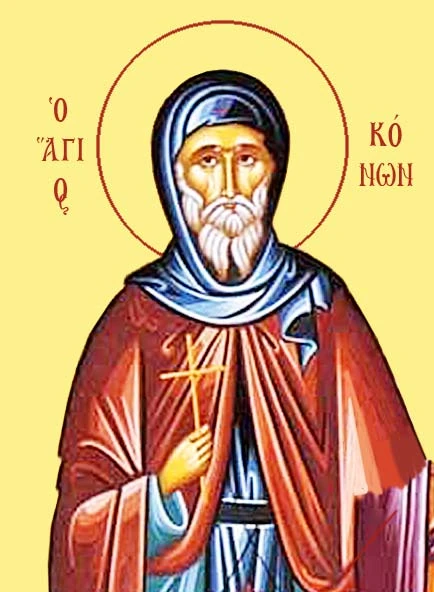
Conon came from Bidani in Isauria. After becoming a Christian, he lived an ascetic life following the death of his wife. He drew others toward Christianity. During a persecution led by the official Magnus, Conon refused to abandon his faith and was tortured. People from his village intervened and rescued him. He died two years later, and his house became a church.
Conon came from Nazareth and settled at Carmena near Magydus in Pamphylia, where he worked a garden. When the governor Publius learned that he was Christian, soldiers brought him for questioning. Conon confessed his faith. He was tortured and forced to run before the governor’s chariot. He fell to his knees and died while praying to God.
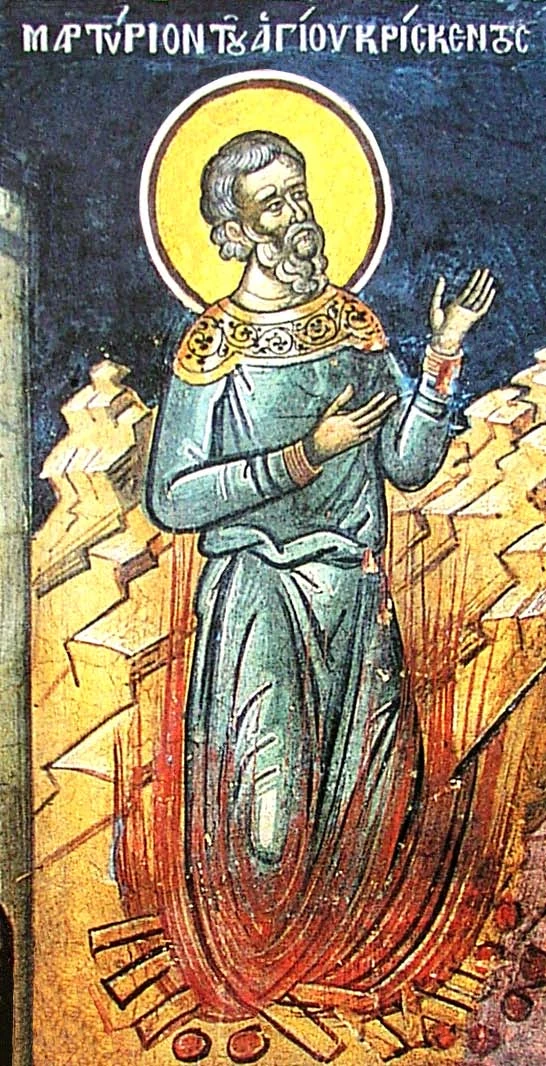
Crescens was born and lived at Myra in Lycia. Brought before the provincial governor, he repeatedly answered demands to sacrifice to the gods by declaring that he was Christian. He was tortured and suffered martyrdom. The Romanian calendar commemorates him on April 15; the OCA calendar lists April 13.
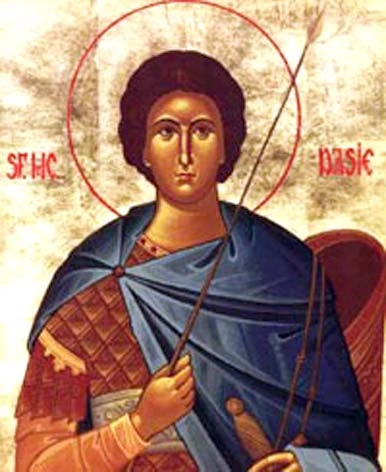
Dasius was a Christian soldier in the Lower Danube region. His received life recounts his refusal to take a role in a pagan Saturnalia celebration. Imprisoned and brought before the commander Bassus, he refused to sacrifice to the gods and suffered martyrdom. His remembrance is associated with Durostorum. Accounts differ over whether his execution took place there or at Axiopolis.
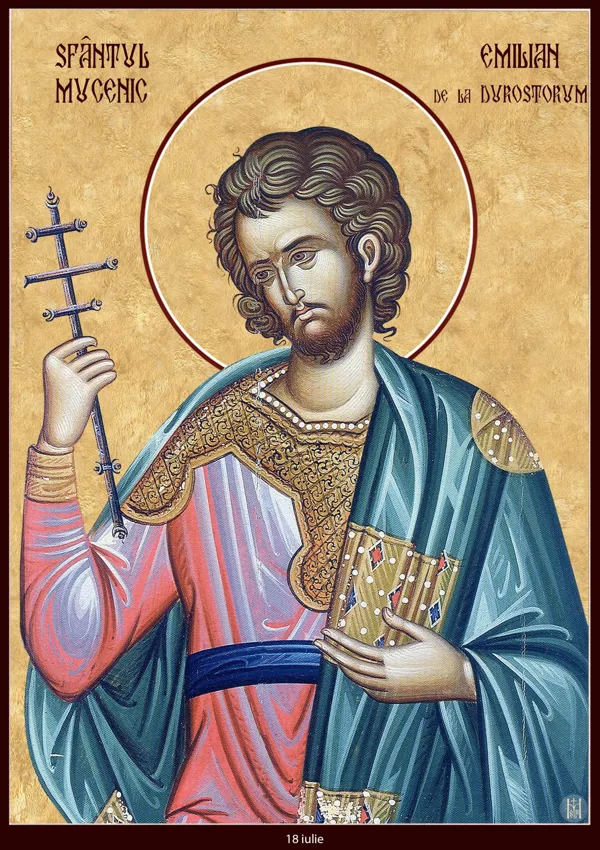
Emilian was an enslaved Christian living at Durostorum during the reign of Julian. After he damaged objects in a pagan temple, the authorities seized an innocent passerby. Emilian intervened and admitted responsibility rather than allow another person to suffer for his act. The calendar records his subsequent punishment and martyrdom. His admission is a specific example of refusing to shift the consequences of his conduct onto someone else.
The directory indexes the OCA full-year calendar, including leap-day commemorations, alongside additional researched profiles. Calendar entries include individual saints, groups, icons and feasts. An entry count is not a count of unique saints. Categories are provisional; follow the linked source.
Dates show commemorations in the referenced calendar year. Movable feasts change annually, and local calendars may differ. Additional jurisdictions, original biographies and icon research remain in progress. This collection does not yet claim complete Eastern Orthodox coverage.
Calendar metadata was retrieved through Orthocal’s source repository and the Orthodox Church in America. Source-only calendar records link to their original accounts; researched profiles include individually sourced artwork.
 Patron SaintTake the quiz