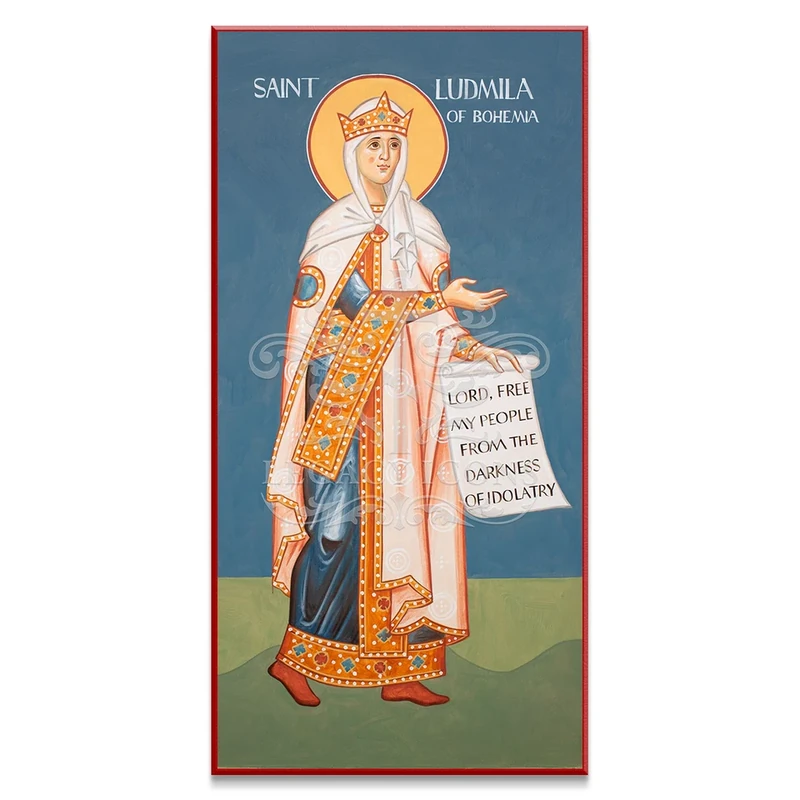
Ludmilla and her husband Borivoy received baptism through Methodius and supported the growth of Christian worship in Bohemia. They built churches and welcomed clergy to serve the people. After her husband’s death, Ludmilla continued a devoted religious life and remained involved in her family’s Christian formation. Her grandson Wenceslaus remembered her influence. Conflict within the ruling household eventually forced her away from the center of power, and she was murdered while at prayer. Her relics were later transferred to Prague. Orthodox commemoration honors her as a martyr and as a woman whose faith shaped family and public life.
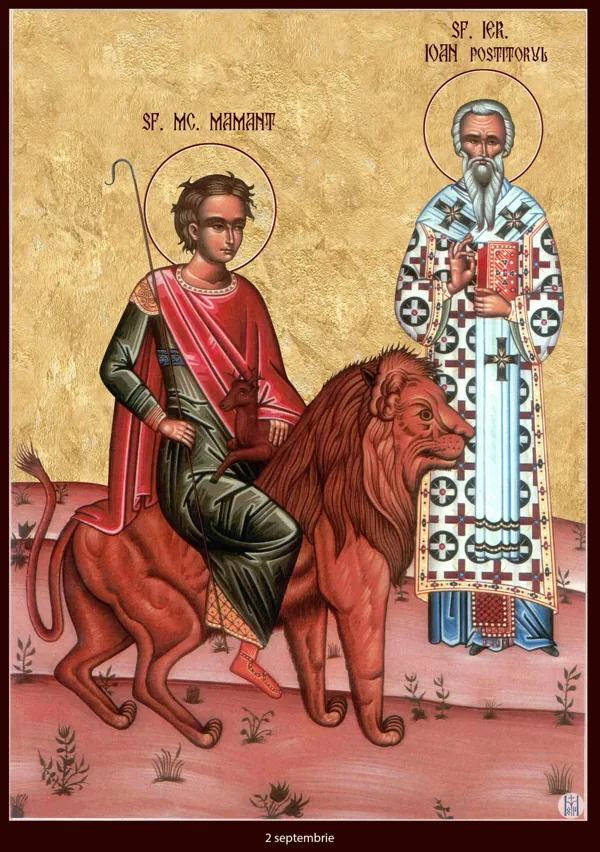
Mamas was born while his parents Theodotus and Rufina were imprisoned during a persecution. After his mother’s death, Ammina cared for him. As a young man he confessed Christianity and refused to abandon his faith when brought before the emperor Aurelian. He suffered martyrdom.
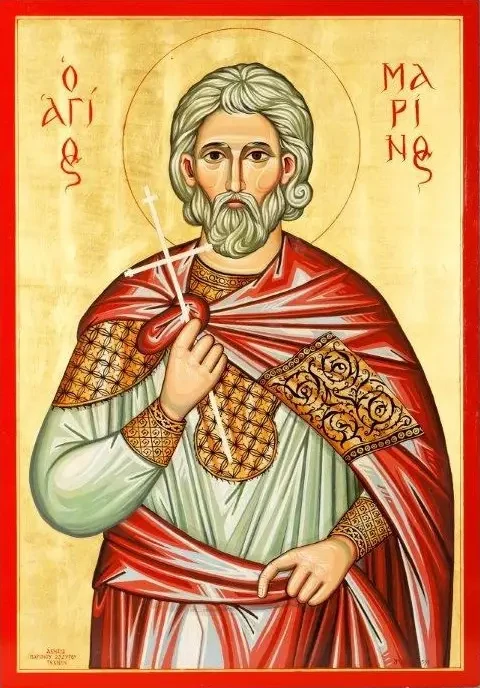
Marinus the Elder was from Anazarbus in Cilicia. The calendar remembers his suffering during Diocletian’s persecution under the governor Lysias. Pressed to abandon his faith, he endured torture and was killed.
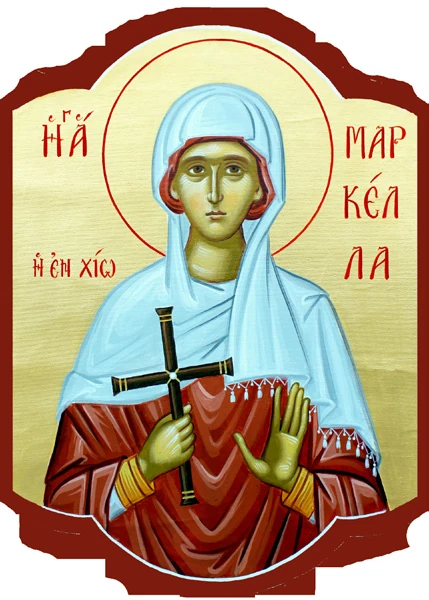
According to local tradition, Marcella was a young Christian woman on Chios who lost her mother early in life. When her father attempted sexual violence against her, she fled. He pursued and killed her. The place associated with her death became a site of pilgrimage and Christian remembrance.
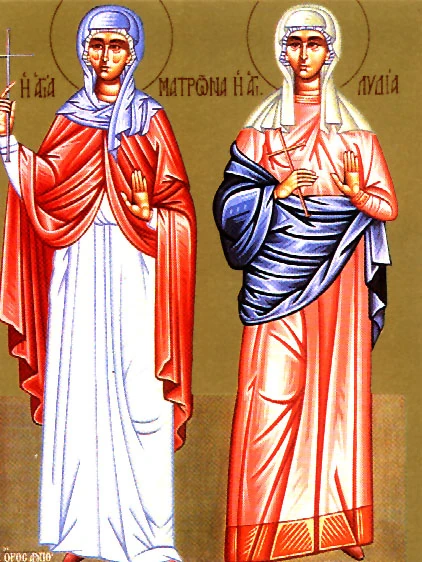
Matrona lived in Thessalonica as an enslaved woman. She had believed in Christ from her youth and continued to pray and attend church despite the hostility of the person who controlled her household. The traditional account describes repeated confinement and violence because she would not surrender her Christian faith. Even in isolation, she is remembered standing at prayer. After her death, local Christians recovered and buried her body. Bishop Alexander later built a church in her honor. Her commemoration preserves the witness of someone whose lack of social power did not erase her spiritual freedom.
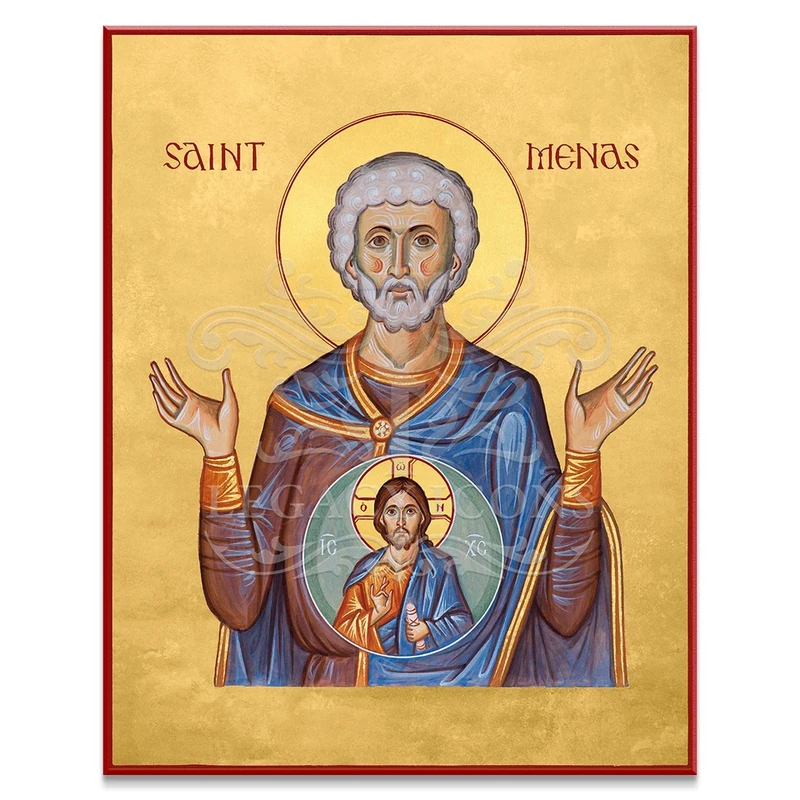
Menas was an Egyptian soldier serving in Phrygia when imperial demands placed military duty in conflict with Christian faith. The Orthodox account remembers him laying aside his soldier's belt rather than participating in persecution. He withdrew to a mountain and lived in prayer before returning to confess Christ publicly. Officials offered to restore his military position if he would sacrifice to pagan gods, but he refused. After imprisonment and torture, he was executed. Christian friends preserved his remains and later brought them to Egypt, where his shrine became a center of devotion. His witness joins courage with a refusal to use authority against fellow Christians.
The directory indexes the OCA full-year calendar, including leap-day commemorations, alongside additional researched profiles. Calendar entries include individual saints, groups, icons and feasts. An entry count is not a count of unique saints. Categories are provisional; follow the linked source.
Dates show commemorations in the referenced calendar year. Movable feasts change annually, and local calendars may differ. Additional jurisdictions, original biographies and icon research remain in progress. This collection does not yet claim complete Eastern Orthodox coverage.
Calendar metadata was retrieved through Orthocal’s source repository and the Orthodox Church in America. Source-only calendar records link to their original accounts; researched profiles include individually sourced artwork.
 Patron SaintTake the quiz