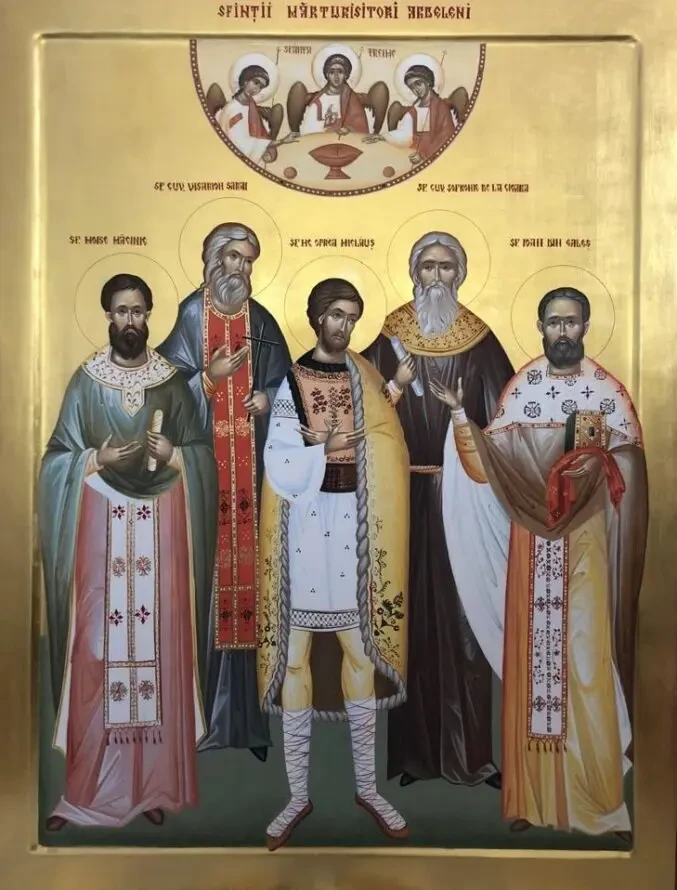
Moise Măcinic was ordained a priest and suffered imprisonment amid conflict over the rights of Orthodox Christians in Transylvania. In 1752 he traveled with Oprea to Vienna to present the community’s petition to Maria Theresa. The two were confined at Kufstein. The received life remembers their imprisonment and their witness for the Orthodox community.
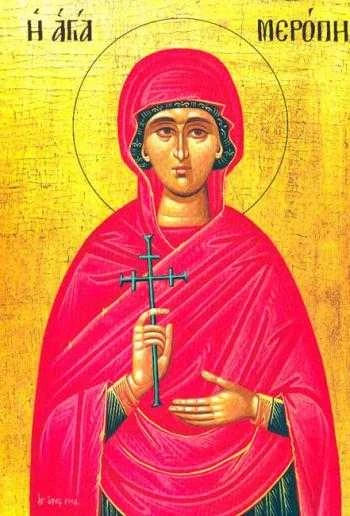
Myrope was raised in Ephesus and moved with her mother to Chios during persecution. The received account describes her gathering healing myrrh for people who were ill. After Isidore was killed, she recovered his body for burial. When the guards faced execution for losing the body, Myrope identified herself so that they would not bear the blame. She was beaten and imprisoned, and died after praying in prison.
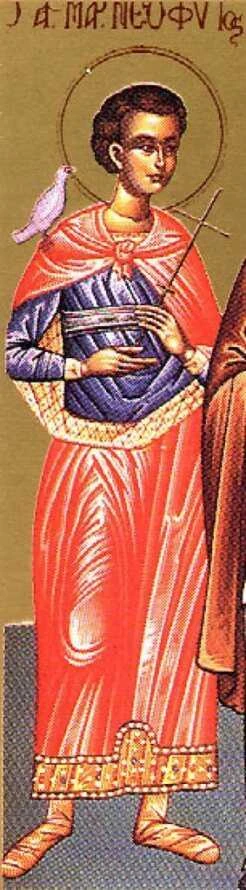
Neophytus was the son of Theodore and Florentina in Nicaea during the reign of Diocletian. The received life describes his prayer from childhood and his withdrawal to a cave on Mount Olympus. It says he returned to visit his parents and gave from their possessions to poor people before returning to the mountain. Still young, he appeared before the governor Decius, endured torture and was killed. His remembrance joins youthful prayer and generosity with a martyr’s witness.
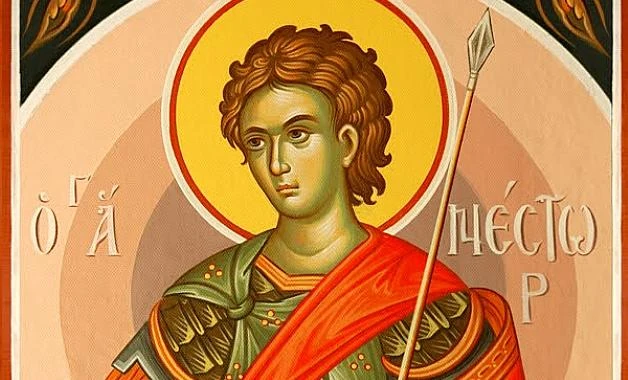
Nestor is remembered with the Great Martyr Demetrius. The received account says he sought Demetrius’s blessing before confronting Lyaeus, a fighter who had killed many Christians. After the encounter, the emperor ordered the deaths of Nestor and Demetrius.
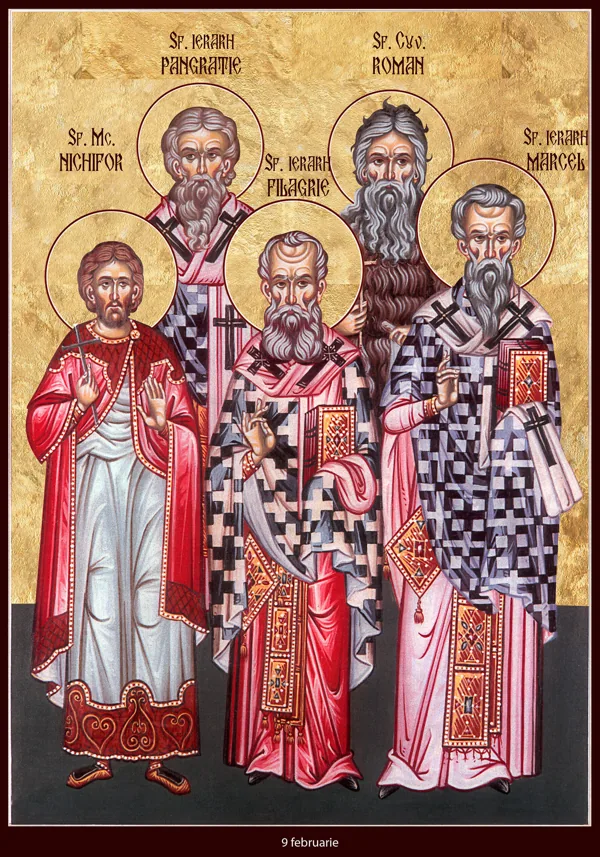
Nikephoros and the priest Sapricius had been close friends before a quarrel divided them. Recognizing his wrongdoing, Nikephoros repeatedly sought forgiveness through friends and in person. During persecution he urged Sapricius to remain faithful. When Sapricius abandoned his confession, Nikephoros openly declared his own Christian faith and was executed.
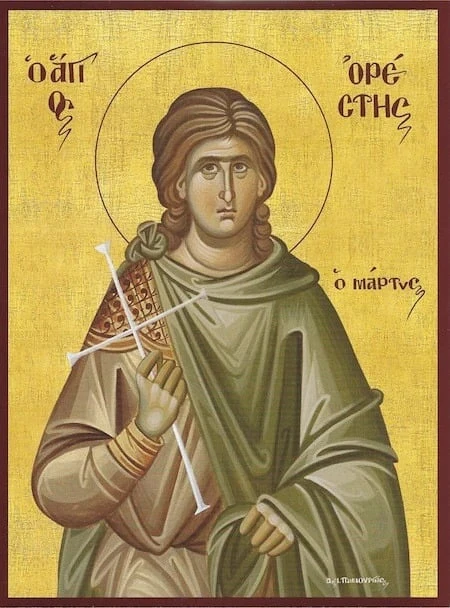
Orestes was a Christian physician in Cappadocia during Diocletian’s persecution. The calendar describes his arrest and refusal to renounce Christ. After severe torture he was killed, and his body was thrown into a river. His remembrance joins medical work with witness under persecution.
The directory indexes the OCA full-year calendar, including leap-day commemorations, alongside additional researched profiles. Calendar entries include individual saints, groups, icons and feasts. An entry count is not a count of unique saints. Categories are provisional; follow the linked source.
Dates show commemorations in the referenced calendar year. Movable feasts change annually, and local calendars may differ. Additional jurisdictions, original biographies and icon research remain in progress. This collection does not yet claim complete Eastern Orthodox coverage.
Calendar metadata was retrieved through Orthocal’s source repository and the Orthodox Church in America. Source-only calendar records link to their original accounts; researched profiles include individually sourced artwork.
 Patron SaintTake the quiz