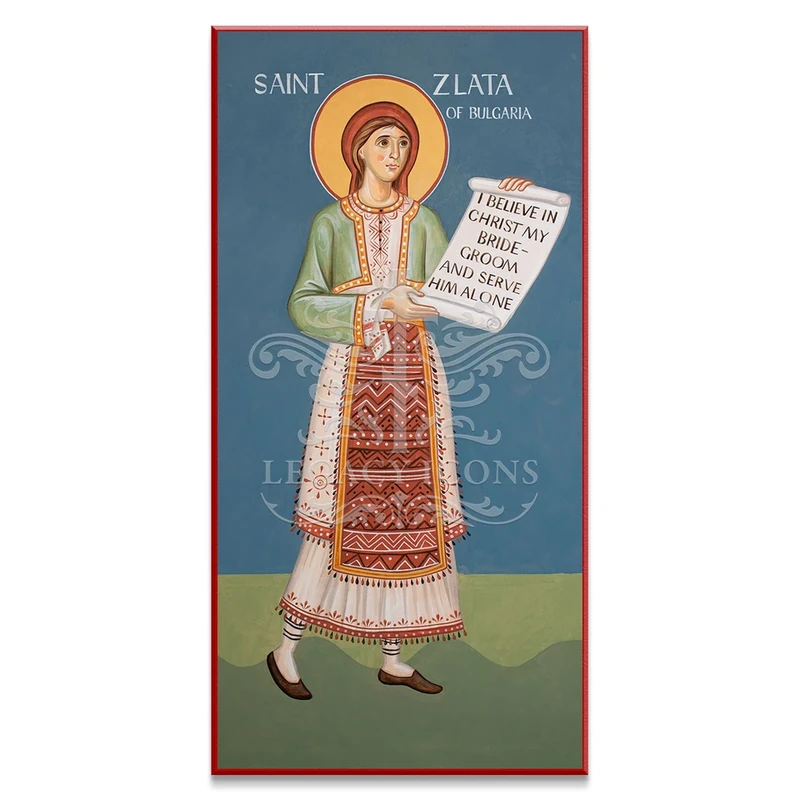
Zlata grew up in a poor Christian family in the Meglena region. Her traditional life describes a firm faith from childhood. After being abducted, she faced pressure to marry her captor and abandon Christianity. Promises, threats, and pressure on her relatives did not change her commitment. During prolonged captivity she asked her spiritual father to pray for her perseverance. He later recorded her martyrdom in 1795. Christians secretly gathered and buried her remains. Her commemoration honors the freedom of conscience and the steadfast prayer of a woman subjected to coercion and violence.
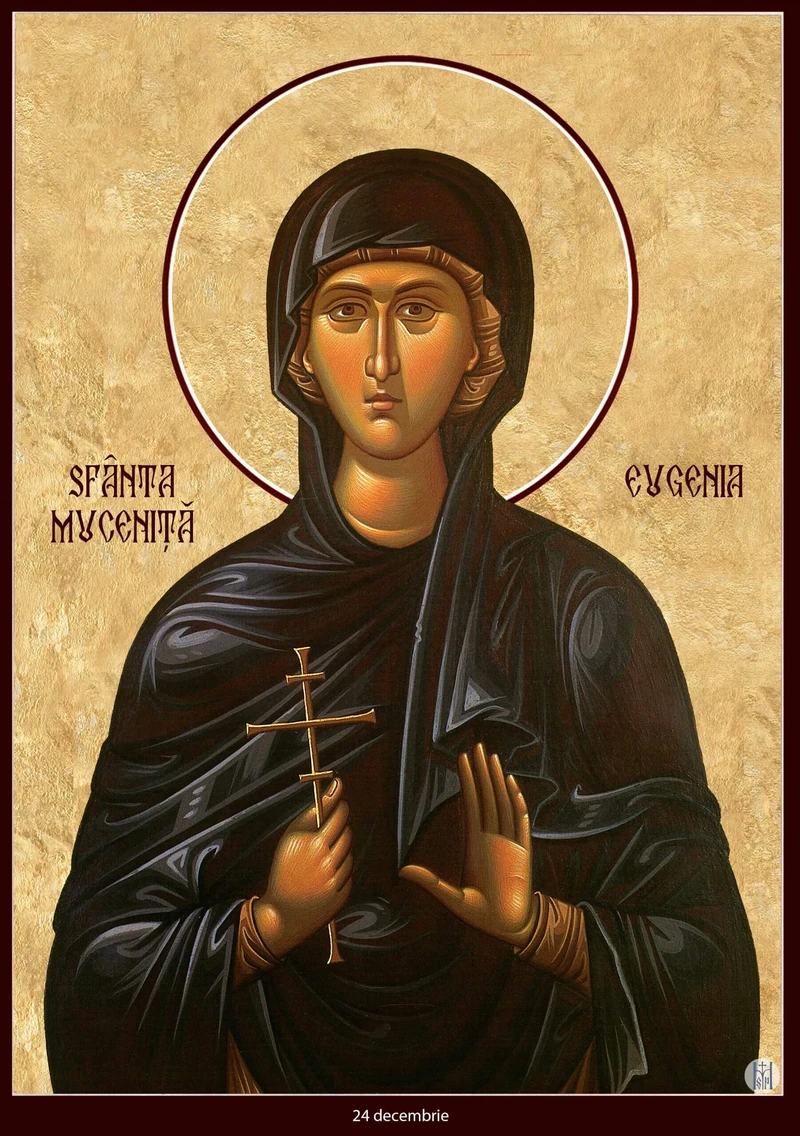
Eugenia was a Roman woman whose family lived in Alexandria while her father served as prefect. Reading Paul’s letters awakened her desire to become Christian. The traditional life describes her baptism and entry into a monastery under the name Eugene. A false accusation later brought her before her father and led to the revelation of her identity. Her family eventually embraced Christianity. Returning to Rome, she continued monastic life, taught women seeking the faith, and helped shelter persecuted Christians. She finally suffered martyrdom. Her story connects serious reading with a courageous response and care for others.
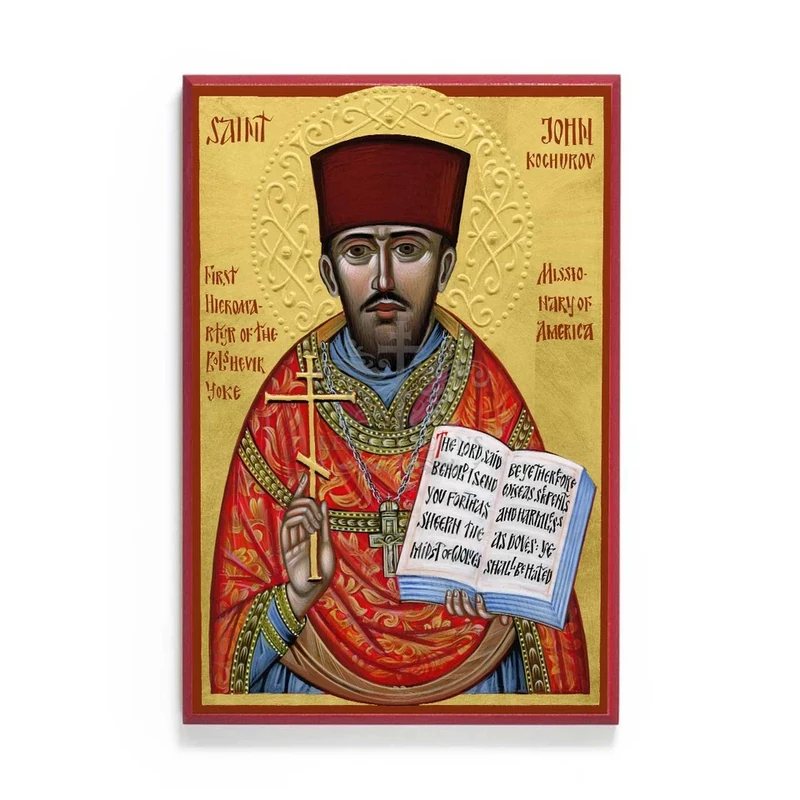
John Kochurov served Orthodox communities in North America before returning to Russia. His American ministry included parish building, mutual aid, and participation in the developing life of the diocese. In Narva he taught Christian doctrine in schools for years, then resumed parish work at Tsarskoye Selo. As revolutionary fighting reached the town, he joined other clergy in a procession praying for an end to civil conflict. He was seized and killed in 1917. The Church remembers a teacher and pastor whose final public work sought reconciliation amid violence, continuing the service that had shaped his earlier ministry.
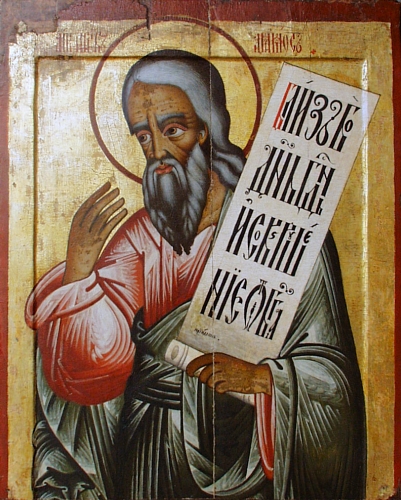
Amos worked as a shepherd and tended sycamore trees near Tekoa before his calling as a prophet. Although he came from Judah, his public ministry addressed the northern kingdom of Israel during the reign of Jeroboam II. He challenged religious unfaithfulness and faced resistance from people who did not welcome his message. The OCA life remembers the ordinary work from which he was called, rather than presenting prophecy as a hereditary profession. His name belongs to the biblical book of Amos. He is a different person from Amoz, the father of Isaiah, despite similar English spellings.
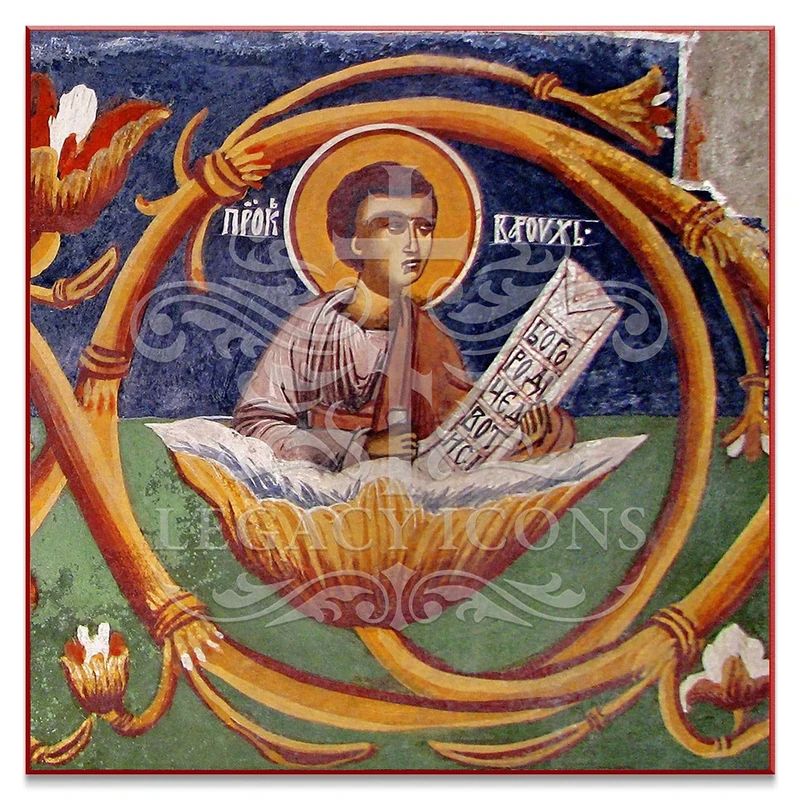
Baruch, the son of Neriah, served as Jeremiah’s close companion and secretary. When Jeremiah could not address the people directly, Baruch wrote down the prophetic words and read the scroll publicly. The king destroyed that scroll, but the message was recorded again. Baruch shared the dangers surrounding Jeremiah’s ministry and accompanied him to Egypt after Jerusalem’s fall. Orthodox tradition also receives the book bearing Baruch’s name. Passages from that book enter the Church’s worship, where the coming of divine Wisdom is read in relation to Christ. His life shows the importance of faithful assistance beside a more publicly known figure.
The directory indexes the OCA full-year calendar, including leap-day commemorations, alongside additional researched profiles. Calendar entries include individual saints, groups, icons and feasts. An entry count is not a count of unique saints. Categories are provisional; follow the linked source.
Dates show commemorations in the referenced calendar year. Movable feasts change annually, and local calendars may differ. Additional jurisdictions, original biographies and icon research remain in progress. This collection does not yet claim complete Eastern Orthodox coverage.
Calendar metadata was retrieved through Orthocal’s source repository and the Orthodox Church in America. Source-only calendar records link to their original accounts; researched profiles include individually sourced artwork.
 Patron SaintTake the quiz