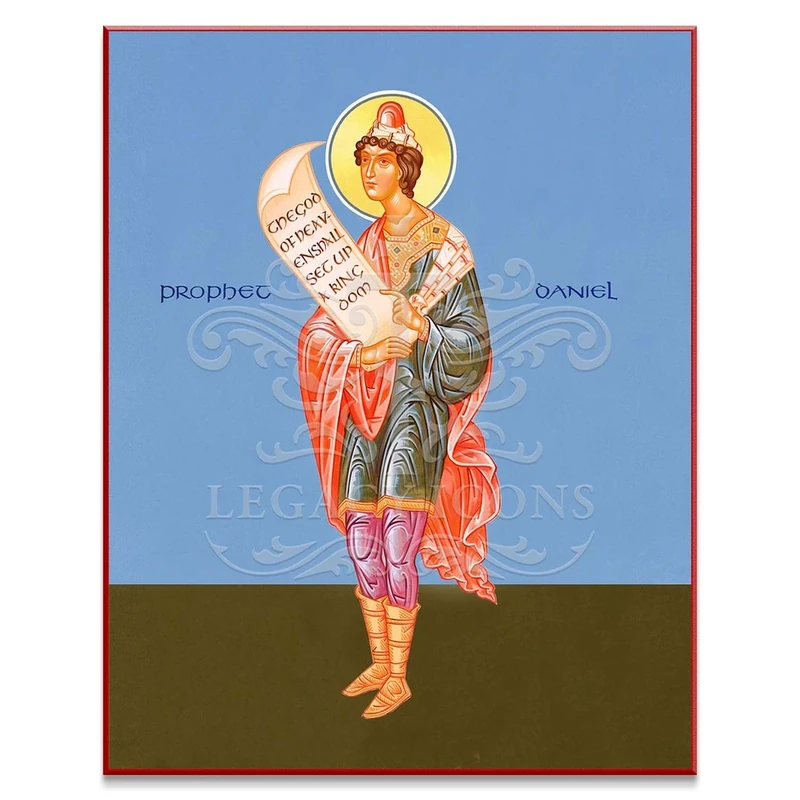
Daniel was among the captives taken from Judah to Babylon. Educated for service at the royal court, he preserved his religious commitments while living under foreign rulers. The biblical account describes his restrained diet, interpretation of dreams, and prayer for his people. His intervention spared other wise men from execution when a king demanded an impossible answer. Later, his refusal to abandon prayer led to the lions’ den, from which God delivered him. Orthodox Christians remember his fidelity in exile and read his visions in the light of Christ. His companions’ ordeal in the furnace belongs to their own distinct story.
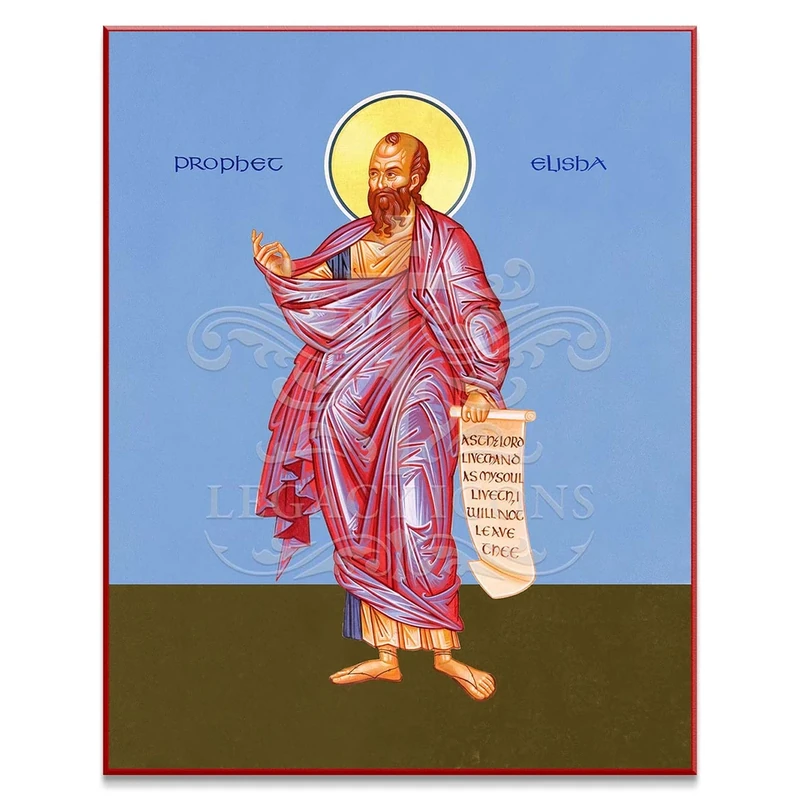
Elisha became the disciple and successor of Elijah, receiving his mantle as a sign of continuing prophetic service. His ministry reached royal courts but also households facing hunger, debt, illness, and grief. The biblical narratives remember a widow whose oil provided relief, the Shunammite woman and her son, the cleansing of Naaman, and the healing of a troubled spring at Jericho. Elisha refused payment from Naaman, contrasting prophetic service with the pursuit of personal gain. Unlike several other prophets, he left no biblical book bearing his name. His life is preserved through narratives of counsel, prayer, and practical care.
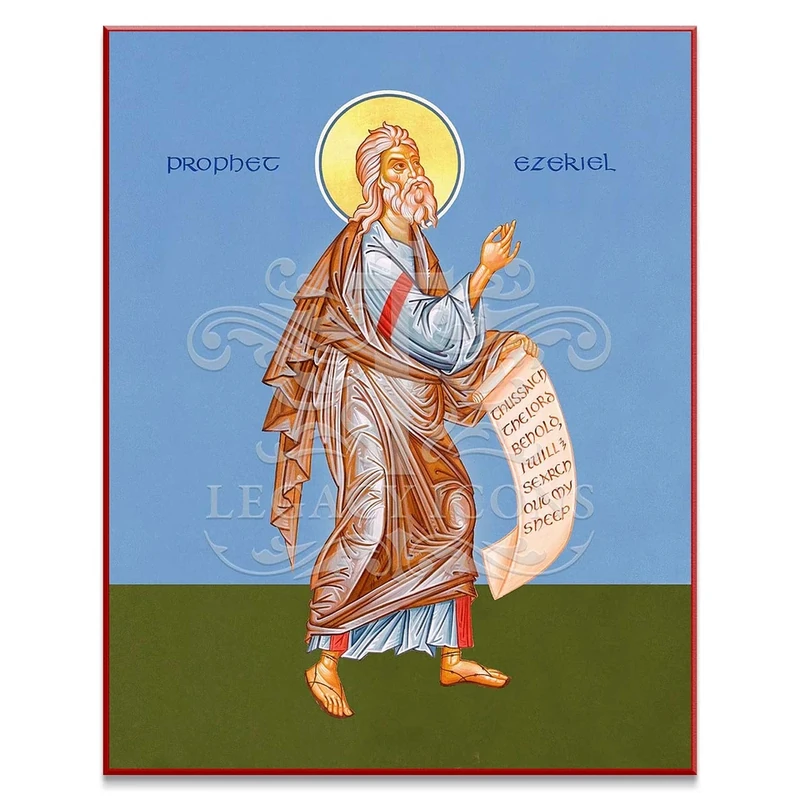
Ezekiel was a priest who lived among the people exiled from Judah to Babylonia. Near the river Chebar, he received the vision of divine glory that opened his prophetic calling. His ministry addressed both judgment and restoration, refusing to treat exile as the end of God’s care for his people. The valley of dry bones became a powerful image of life restored where hope seemed finished. Orthodox worship also receives his vision of a closed gate as an image associated with the Mother of God. His book holds disturbing loss and the promise of renewal within the same prophetic witness.
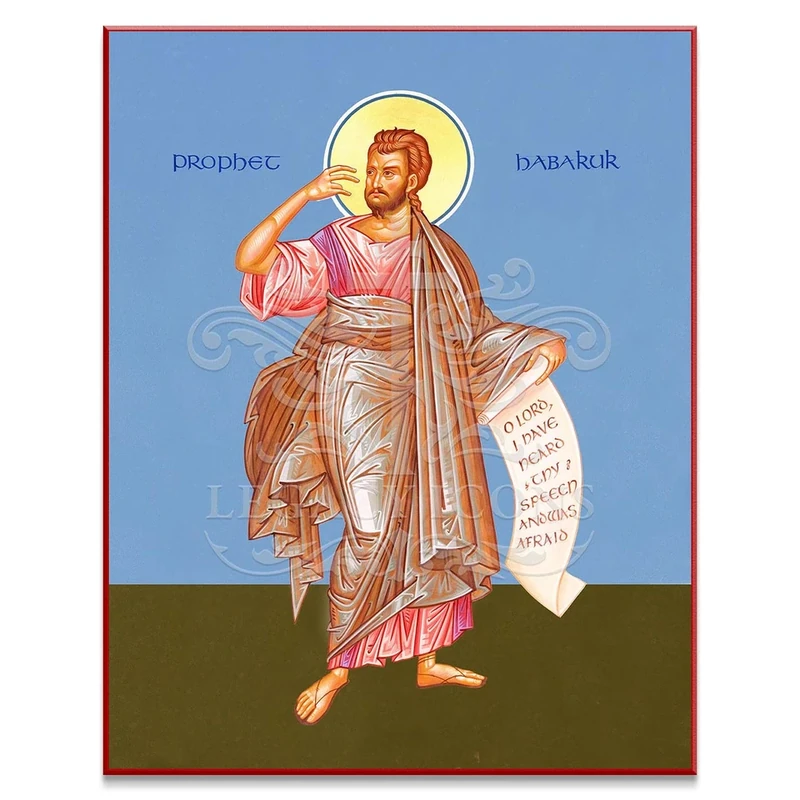
Habakkuk belongs to the biblical prophets remembered in Orthodox worship, and the prayer in the third chapter of his book forms the fourth biblical ode. The OCA life places him amid the upheaval surrounding Judah’s captivity and preserves a tradition of his return to his homeland. It also recalls the Greek biblical account in which an angel carries him with food to Daniel. That episode presents practical nourishment alongside prophetic prayer. Orthodox remembrance draws on both his prophetic book and this received narrative, rather than offering a complete modern biography with securely established dates for every event.
Haggai is remembered among the prophets associated with the return from Babylonian exile. The calendar describes him urging the people and their leaders to resume rebuilding the Temple rather than attend only to their own affairs. His teaching calls the community back to its shared religious commitment.
Hosea preached in the northern kingdom of Israel and called people back to fidelity to God. The OCA life places his ministry alongside the era of other great biblical prophets and remembers his warnings about foreign conquest and exile. His message did not end with national disaster: Orthodox reception also hears promises of restoration within the book bearing his name. The Church reads passages concerning Egypt, renewed life, and the defeat of death in relation to Christ. His commemoration therefore joins the seriousness of repentance with hope that estrangement need not have the final word in human life.
The directory indexes the OCA full-year calendar, including leap-day commemorations, alongside additional researched profiles. Calendar entries include individual saints, groups, icons and feasts. An entry count is not a count of unique saints. Categories are provisional; follow the linked source.
Dates show commemorations in the referenced calendar year. Movable feasts change annually, and local calendars may differ. Additional jurisdictions, original biographies and icon research remain in progress. This collection does not yet claim complete Eastern Orthodox coverage.
Calendar metadata was retrieved through Orthocal’s source repository and the Orthodox Church in America. Source-only calendar records link to their original accounts; researched profiles include individually sourced artwork.
 Patron SaintTake the quiz