Constantine was born on Hydra and moved to Rhodes as a young man. While serving the island's Ottoman ruler, he converted to Islam. The OCA life describes his later remorse, prayer, and gifts to Orthodox Christians in need. He confessed to a spiritual father, who advised him to wait rather than immediately seek martyrdom. Constantine accepted that counsel and traveled onward to Mount Athos. At Iviron Monastery he prepared to return to his Christian confession. He later returned to Rhodes, openly confessed Christ, and suffered torture. He was hanged on November 14, 1800. His commemoration remembers repentance, patient counsel, and a return to Christian faith.
George was born in Sofia and served as a soldier. The received life does not establish which army he joined. It remembers him defending his Christian faith during a dispute in Adrianople while having his bow repaired. He was arrested and killed there on March 26, 1437. His memory was later recalled in the life of George the New of Sofia.
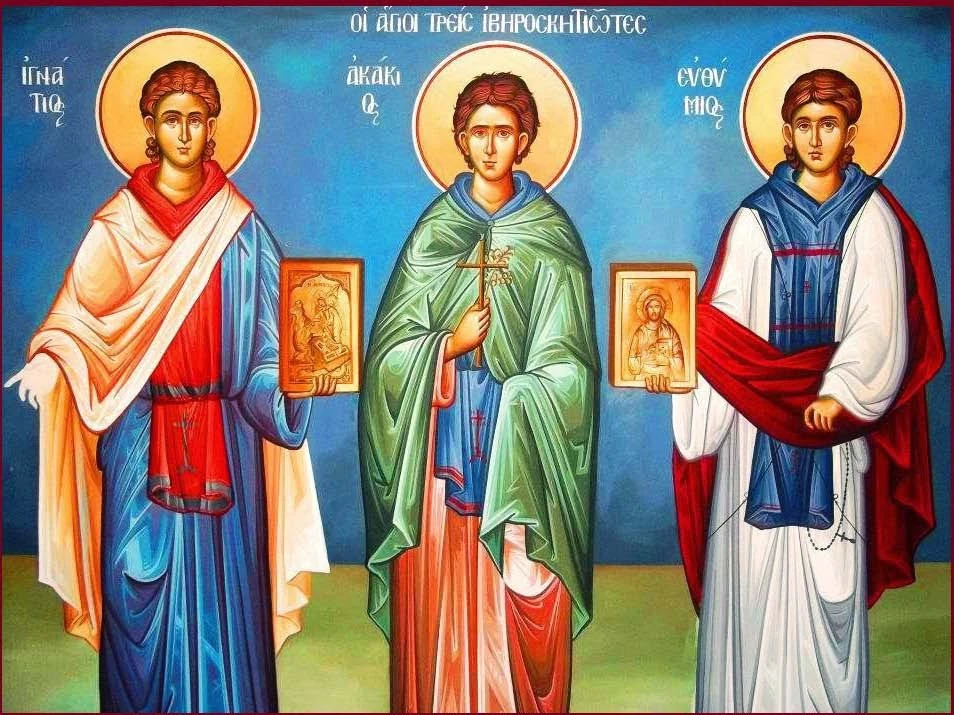
Ignatius was born John at Eski Zagora and entered monastic life at Rila before later settling on Mount Athos. His received life recounts that, under threat from soldiers, he promised to become Muslim but afterward returned to Christian monastic life. He received the name Ignatius and traveled to Constantinople to confess Christianity publicly. The account also describes his pursuit of execution, religious insults and striking a servant during his court appearance. He was imprisoned and hanged in October 1814. He is commemorated with Euthymius and Acacius on May 1.
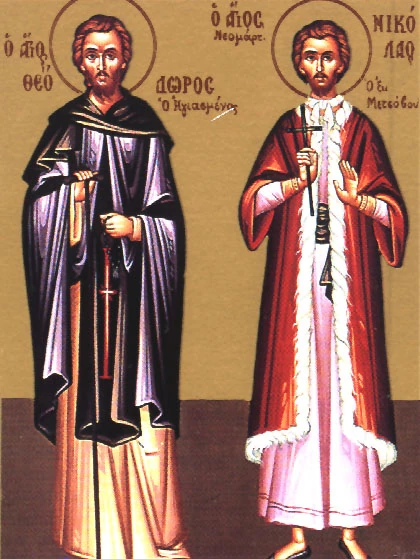
Nicholas came from Metsovo in Epirus and worked in a bakery in Trikkala. Under pressure he accepted Islam, but later returned to Metsovo and resumed his Christian life. When he traveled to Trikkala to sell firewood, a barber recognized him and seized him. Fearing the consequences, Nicholas gave him the load and agreed to bring another load each year. Nicholas sought counsel from his spiritual father and eventually refused to continue the arrangement. He was denounced and brought before a judge, where he confessed his Christian faith despite threats and torture. After imprisonment, he was condemned to death by burning in the marketplace of Trikkala in 1617.
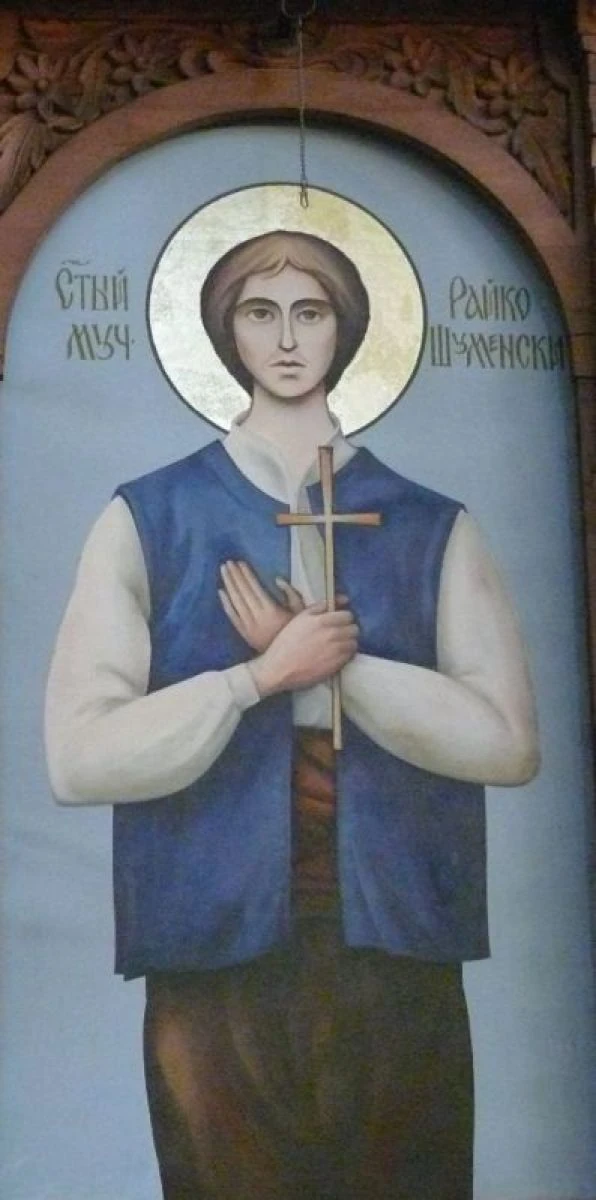
Rayko was a goldsmith remembered by the Church in Shumen. The received account describes an accusation following a delivery of commissioned jewelry. He denied wrongdoing and refused repeated demands to abandon his Christian faith. He was killed in 1802. His memory is preserved in worship and in icons at Shumen.
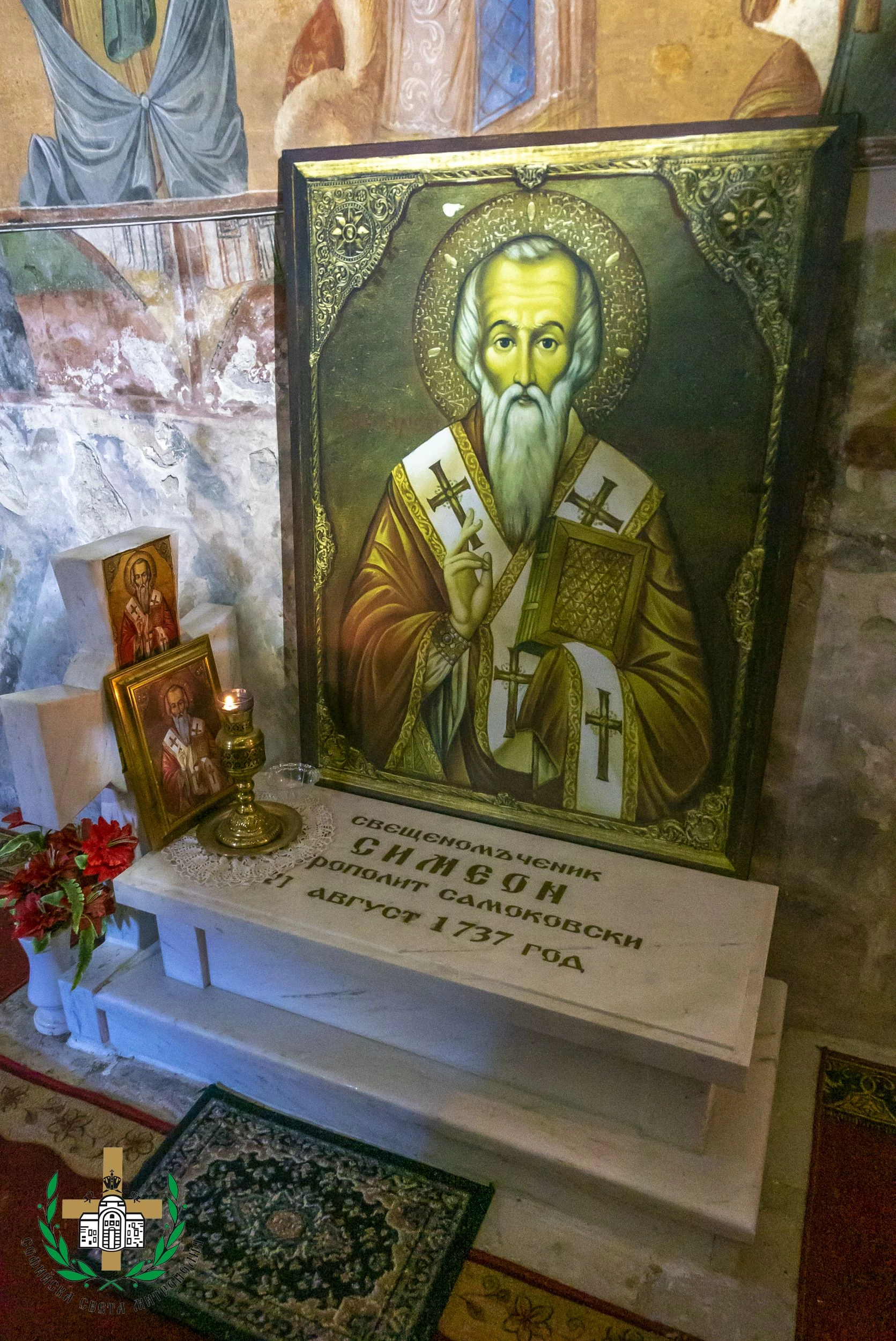
Simeon became Metropolitan of Samokov in 1734 and had his episcopal seat at Dupnitsa. The institutional account remembers his role in resistance to Ottoman rule during the wars of the 1730s. He was arrested in 1737, imprisoned and later taken to Sofia, where he was executed on August 21. His remains were buried at the Belyova Church near Samokov. The source reports the discovery of his grave during archaeological work in 1994.
The directory indexes the OCA full-year calendar, including leap-day commemorations, alongside additional researched profiles. Calendar entries include individual saints, groups, icons and feasts. An entry count is not a count of unique saints. Categories are provisional; follow the linked source.
Dates show commemorations in the referenced calendar year. Movable feasts change annually, and local calendars may differ. Additional jurisdictions, original biographies and icon research remain in progress. This collection does not yet claim complete Eastern Orthodox coverage.
Calendar metadata was retrieved through Orthocal’s source repository and the Orthodox Church in America. Source-only calendar records link to their original accounts; researched profiles include individually sourced artwork.
 Patron SaintTake the quiz