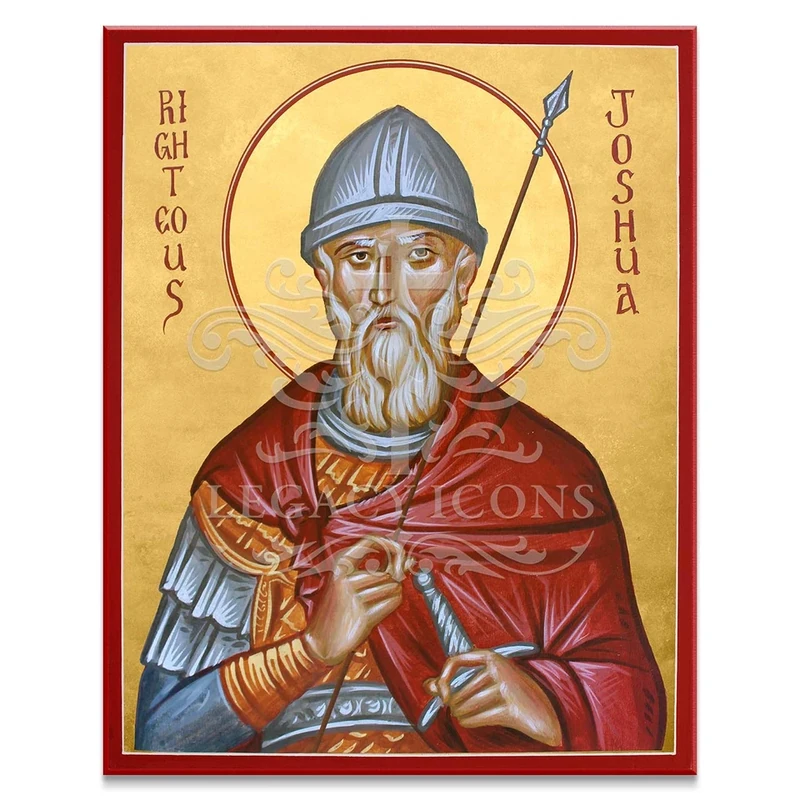
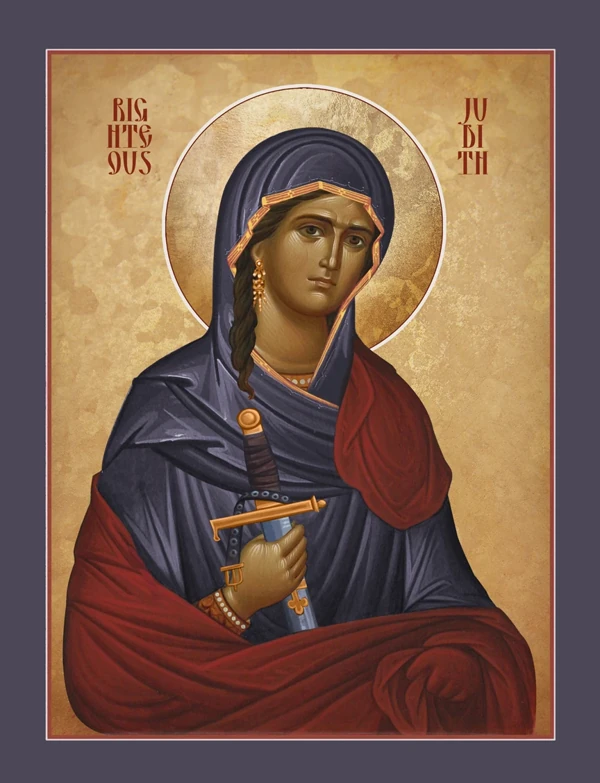
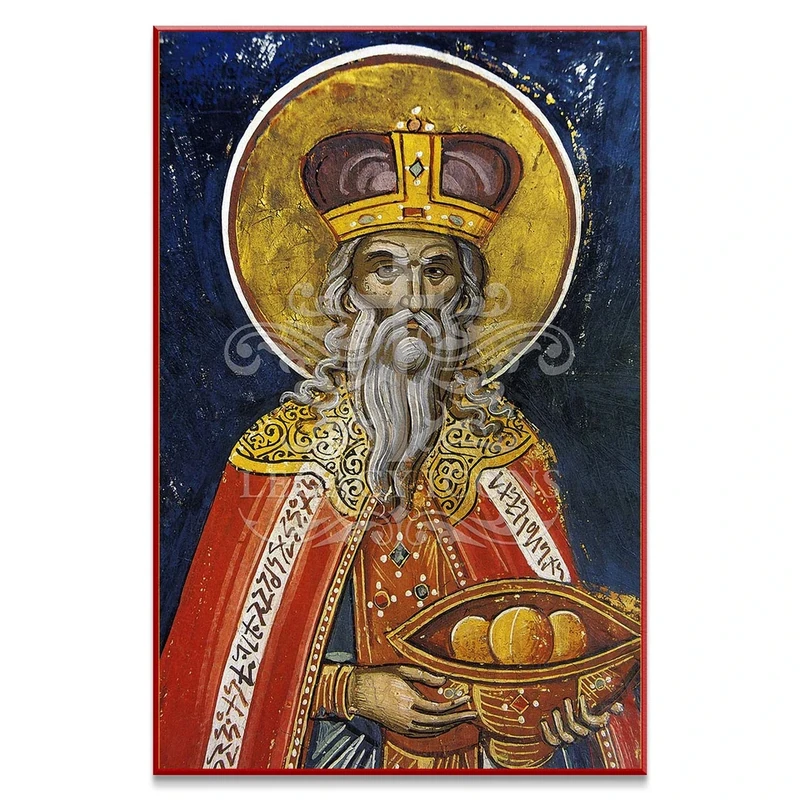
Joshua succeeded Moses in leading the people of Israel after the wilderness journey. The biblical narrative remembers the crossing of the Jordan with the ark, the entry into the promised land, and the distribution of territory among the tribes. It also includes his encounter with the commander of the Lord’s host, received in Orthodox tradition as the Archangel Michael. Near the end of his life, Joshua called the people to remain faithful to the law given through Moses. His commemoration recalls a leader who inherited an unfinished responsibility and carried that responsibility into a new stage of the community’s life.
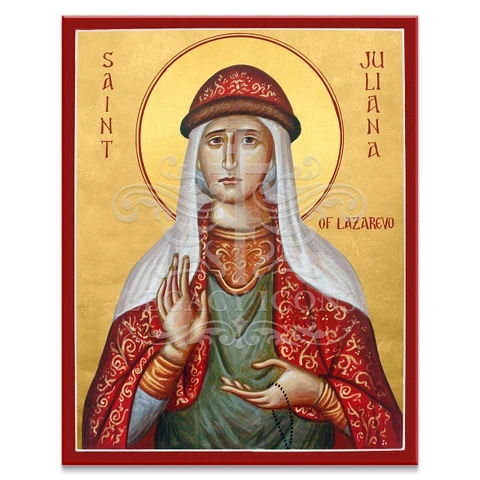
Juliana lived her faith within the responsibilities of marriage, motherhood, and a household. She cared for the sick and shared resources with people in need. Her response to famine shows how family life and generous service can belong to the same Christian calling.
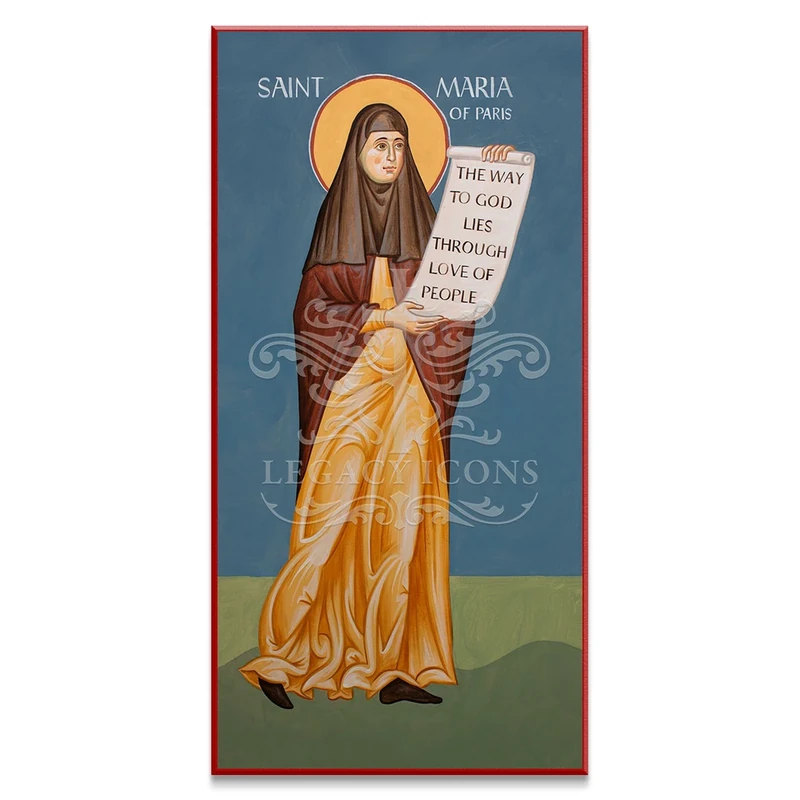
Maria Skobtsova passed through doubt, literary and political life, family loss, and renewed faith before becoming a nun in Paris. She shaped her monastic vocation around practical hospitality: food, shelter, visits, and help for refugees and people excluded from ordinary support. During the Nazi occupation, she and her coworkers helped protect Jewish people and others in danger. Arrested in 1943, she was deported to Ravensbrück, where survivors remembered her consolation and generosity. She died in 1945. Her life presents love of neighbor as personal responsibility that reaches beyond social categories and remains active under persecution.
Melchizedek appears in Genesis as the king of Salem and a priest of God Most High. He met Abraham, brought bread and wine, and offered a blessing; Abraham in turn gave him a tithe. The Epistle to the Hebrews receives his priesthood as an image that points toward Christ. The OCA account also draws on the preaching of Jacob of Serugh, who emphasizes prayer, righteousness, and peace in Melchizedek’s ministry. Scripture does not record his ancestry, birth, or death. The Church preserves that silence rather than supplying a complete personal chronology, while remembering him among the holy Forefathers.
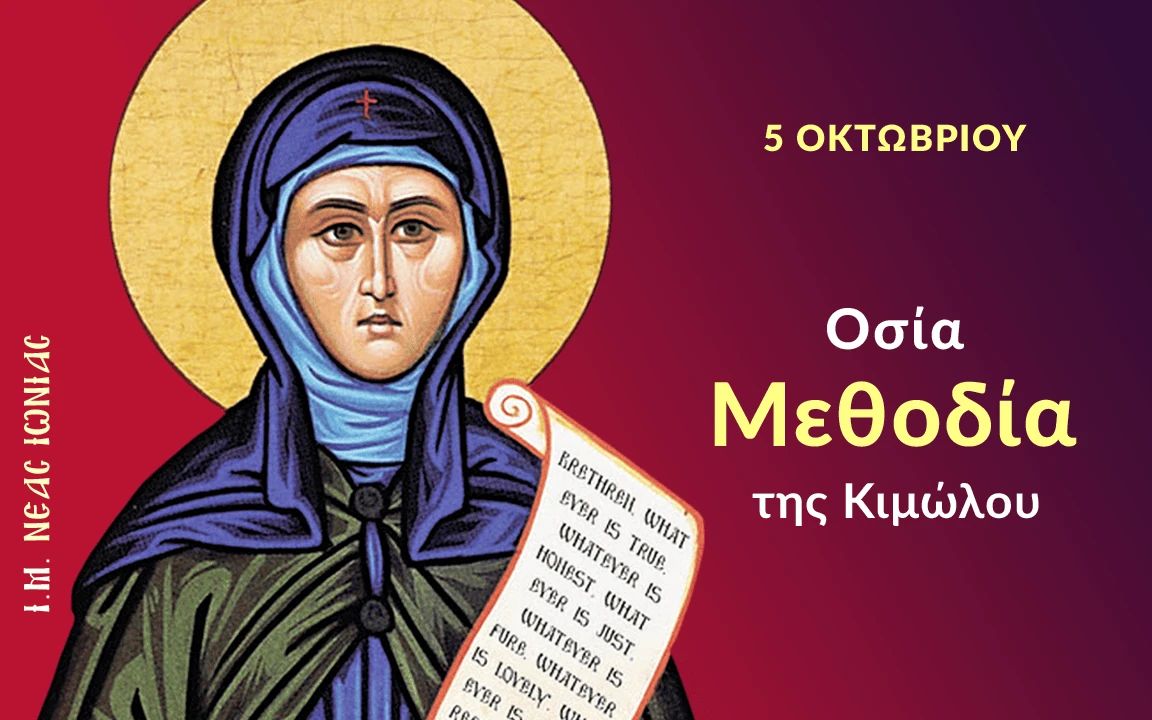
Methodia was born Eirene on the Greek island of Kimolos. After her sailor husband was lost at sea, she entered monastic life at the church of the Mother of God Hodegetria and received the name Methodia. Women came to her seeking spiritual refuge, and her counsel brought comfort to people troubled by the difficulties of life. She died on October 5, 1908.
The directory indexes the OCA full-year calendar, including leap-day commemorations, alongside additional researched profiles. Calendar entries include individual saints, groups, icons and feasts. An entry count is not a count of unique saints. Categories are provisional; follow the linked source.
Dates show commemorations in the referenced calendar year. Movable feasts change annually, and local calendars may differ. Additional jurisdictions, original biographies and icon research remain in progress. This collection does not yet claim complete Eastern Orthodox coverage.
Calendar metadata was retrieved through Orthocal’s source repository and the Orthodox Church in America. Source-only calendar records link to their original accounts; researched profiles include individually sourced artwork.
 Patron SaintTake the quiz