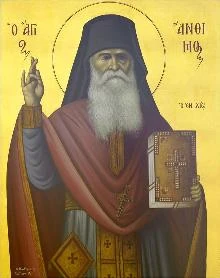
Born Argyrios on Chios, Anthimus worked as a shoemaker and learned monastic life under Pachomios. When poor health required him to live in town, he continued his craft, supported his parents and gave help to people in need. After ordination, he returned to Chios and served as chaplain at the island’s institution for people with Hansen’s disease. Displaced nuns from Asia Minor found shelter with him. With benefactors’ assistance he founded the monastery of Panagia Voitheia, which opened in 1930. He continued offering spiritual counsel and hospitality until his later years, and died in 1960.
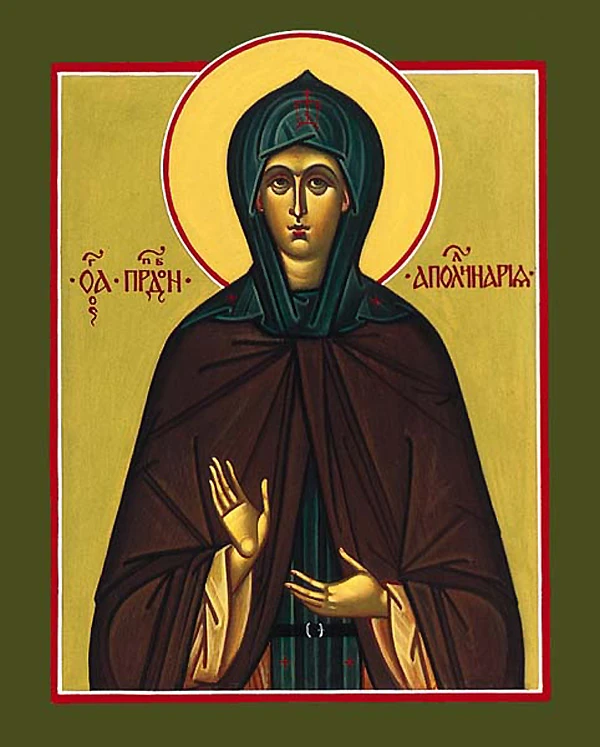
Apollinaria’s traditional life describes a woman of high social standing who desired a life devoted to Christ. During a pilgrimage to Jerusalem she distributed her possessions to people in need and freed her servants. She then withdrew to Egypt and embraced prayer and monastic discipline. The account remembers her living under the name Dorotheus and offering help to her afflicted sister. Her identity became known to the monastic community after her death. The Church honors her generosity and persistent dedication to prayer, while her story preserves the distinctive form of an early ascetic tradition.
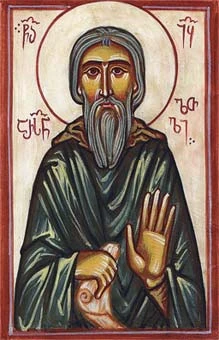
Arsenius was a Georgian monk, translator and teacher who lived in the eleventh and twelfth centuries. He studied in Constantinople and worked under Ephraim the Lesser on the Black Mountain near Antioch. His translations made Greek theological and historical writings available in Georgian. At King David’s invitation, he returned to Georgia and worked at Gelati before establishing a school at Iqalto. He was buried at Iqalto beside its founder, Zeno.
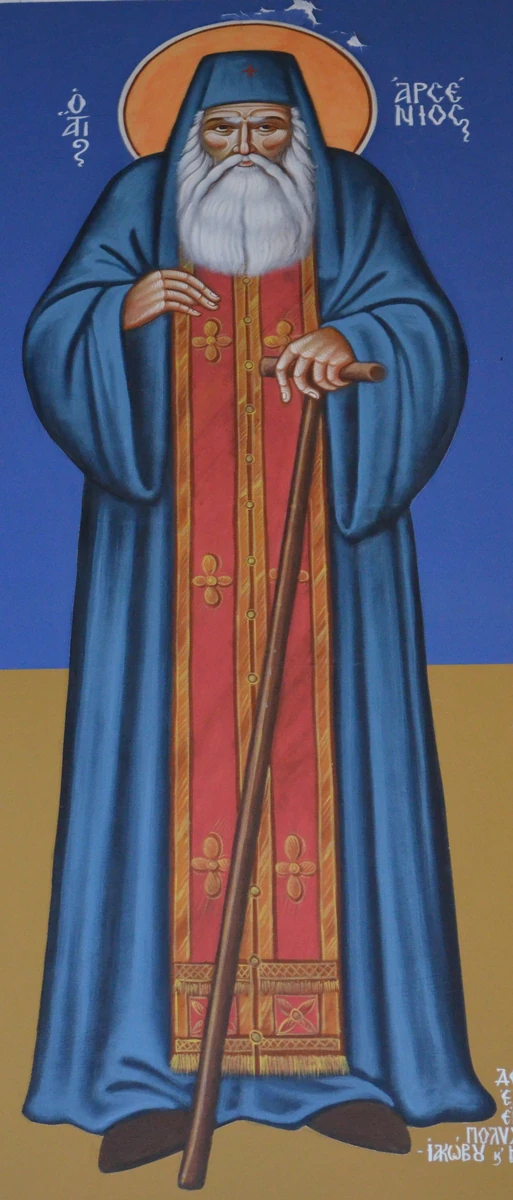
Arsenius was orphaned while young and received education in Asia Minor before becoming a disciple of Daniel of Zagora. Their monastic journeys took them through Mount Athos and the Greek islands. Arsenius taught children on Folegandros and later settled on Paros, where he became a priest and a sought-after confessor. He studied Scripture and the Fathers while cultivating prayer of the heart. The OCA life remembers him protecting a distressed young woman who had been cruelly rejected, and correcting the religious community that had harmed her. His guidance joined repentance with compassion rather than using shame to drive people away.
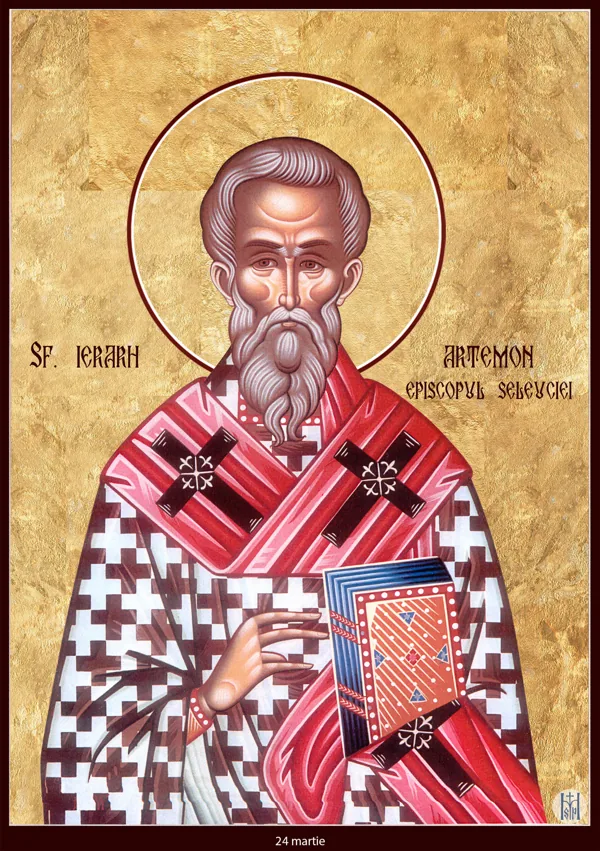
Artemon is remembered as a disciple of the Apostle Paul and the first bishop of Seleucia in Pisidia. The calendar describes his care for widows and poor people. It remembers a long ministry and a peaceful death in old age.
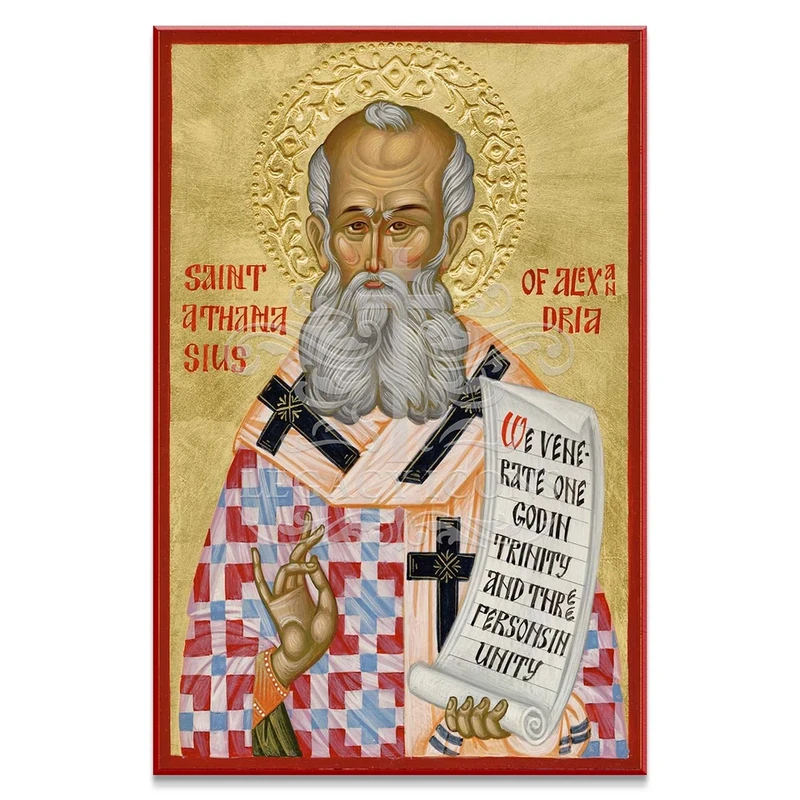
Athanasius took part in the Council of Nicaea while still a deacon and later served as archbishop of Alexandria. He defended the confession that the Son is truly God, sharing the Father’s divine nature, rather than a created being. Opposition brought repeated exile and long separation from his flock. He continued to teach through writings and pastoral work despite these interruptions. The Church remembers both his theological clarity and his endurance. His life connects conviction with sustained responsibility: protecting the faith meant continuing to care for people when public support and personal security were uncertain.
The directory indexes the OCA full-year calendar, including leap-day commemorations, alongside additional researched profiles. Calendar entries include individual saints, groups, icons and feasts. An entry count is not a count of unique saints. Categories are provisional; follow the linked source.
Dates show commemorations in the referenced calendar year. Movable feasts change annually, and local calendars may differ. Additional jurisdictions, original biographies and icon research remain in progress. This collection does not yet claim complete Eastern Orthodox coverage.
Calendar metadata was retrieved through Orthocal’s source repository and the Orthodox Church in America. Source-only calendar records link to their original accounts; researched profiles include individually sourced artwork.
 Patron SaintTake the quiz