Augustine was a monk from Italy chosen by Gregory of Rome to lead a mission to Britain. The companions arrived in Kent in 597 and received protection from King Ethelbert, whose wife Bertha was already Christian. Canterbury became the center of their work, and the king later received baptism. Augustine established churches, a monastery, and a school, while helping form new dioceses at Rochester and London. His attempts to cooperate with existing British Christian communities were less successful. The OCA life acknowledges those difficulties, allowing his missionary achievements to be remembered alongside the limits of his approach.
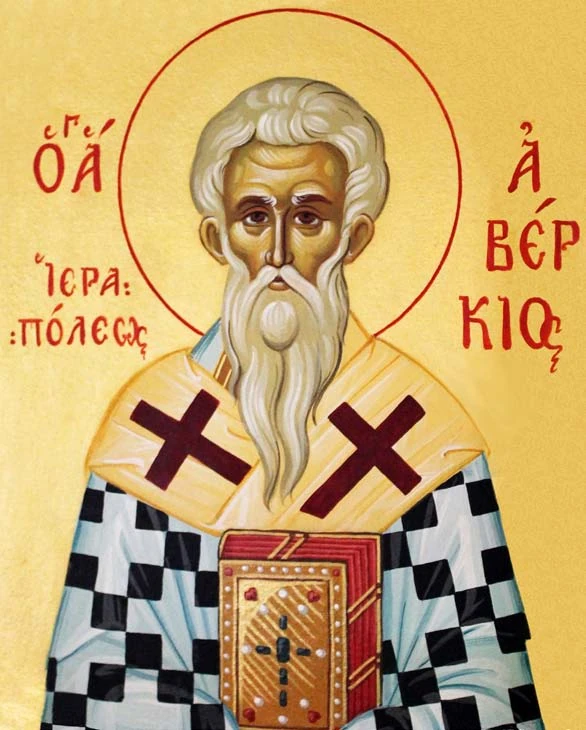
Abercius was bishop of Hierapolis. His received life recounts that he destroyed the statues in a temple of Apollo and subsequently preached Christ despite opposition. The account connects his ministry with healings, baptisms and journeys through Syria and Mesopotamia. He eventually returned to Hierapolis, where he died in old age.
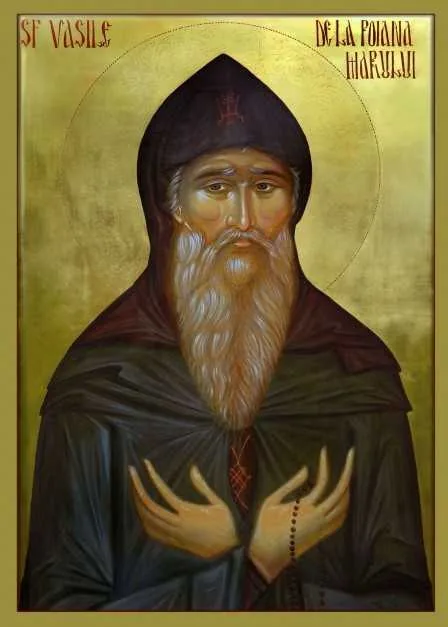
Vasile came from the Poltava region and eventually settled at Dălhăuți, where he led a growing community of monks. With disciples, he founded the skete at Poiana Mărului in the Buzău Mountains. The official calendar remembers him as an experienced teacher of prayer whose community became a place of spiritual training. His pupils continued the monastic tradition he had helped cultivate.
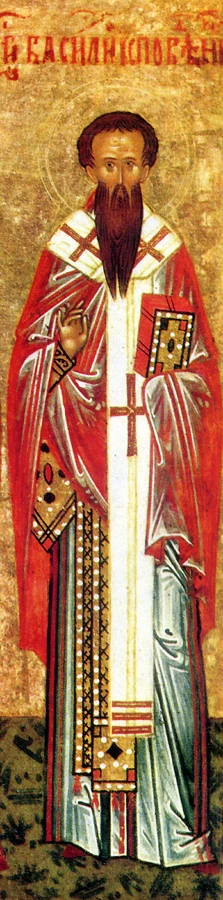
Basil served as bishop of Parium in Asia Minor. During the campaign against icons, he refused to agree to their rejection or sign the required declaration. Persecution and displacement followed. The calendar remembers his continued fidelity through hardship and his peaceful death.
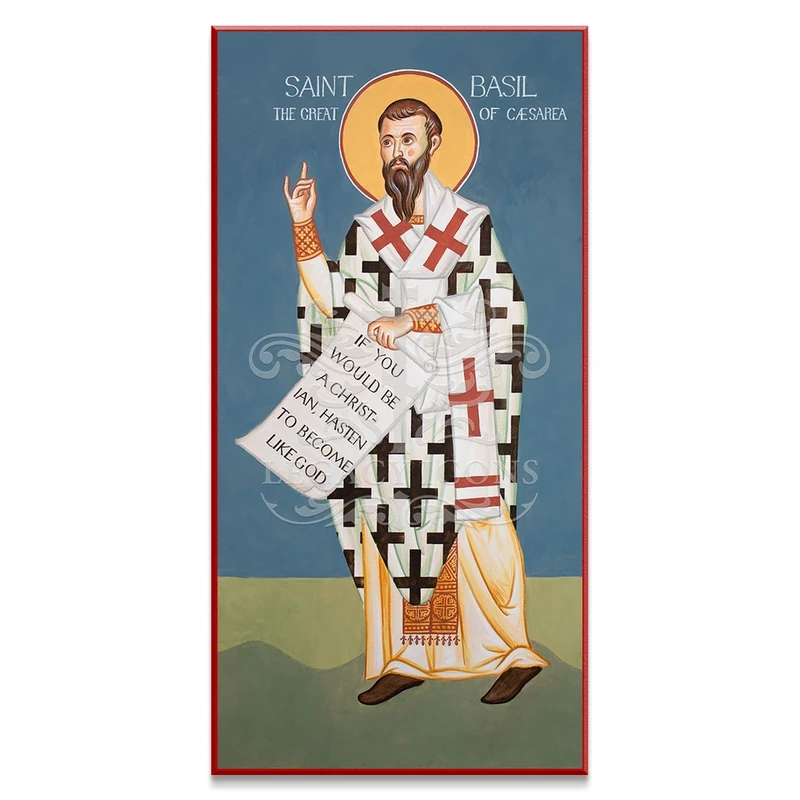
Basil brought an unusually broad education to a life shaped by Scripture, prayer, and care for people in need. After studying in Athens with Gregory the Theologian, he embraced ascetic life and helped organize communities of monks. As bishop of Caesarea, he defended the Church’s teaching about the Son and the Holy Spirit while providing practical support for poor people, travelers, and the homeless. His writings influenced Orthodox worship and monastic life. Basil’s example holds learning and responsibility together: theological conviction becomes visible in the way a community treats its most vulnerable neighbors.
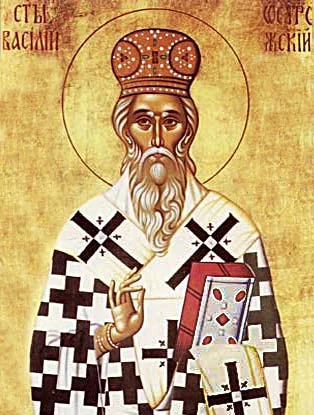
Basil, born Stojan in Mrkonjići in Herzegovina, became a monk at Tvrdoš and later a metropolitan. He settled at Ostrog, where he gathered monks, restored churches and continued caring for his diocese. His received life remembers him sheltering and feeding people displaced by violence, with help from nearby villages. He also carried stones for building work. He died at Ostrog in 1671. The Serbian Church commemorates him on May 12 in the Gregorian calendar, corresponding to April 29 in the Julian calendar.
The directory indexes the OCA full-year calendar, including leap-day commemorations, alongside additional researched profiles. Calendar entries include individual saints, groups, icons and feasts. An entry count is not a count of unique saints. Categories are provisional; follow the linked source.
Dates show commemorations in the referenced calendar year. Movable feasts change annually, and local calendars may differ. Additional jurisdictions, original biographies and icon research remain in progress. This collection does not yet claim complete Eastern Orthodox coverage.
Calendar metadata was retrieved through Orthocal’s source repository and the Orthodox Church in America. Source-only calendar records link to their original accounts; researched profiles include individually sourced artwork.
 Patron SaintTake the quiz