Ephraim served in imperial administration before being entrusted with the restoration of Antioch after the destructive earthquake of 526. The disaster had also killed the city's patriarch. Ephraim subsequently became patriarch himself and continued responsibility for a community recovering from enormous loss. The OCA remembers his teaching through sermons and letters, particularly his defense of the confession that Christ is one person with both divine and human natures. His life connects practical public responsibility with theological instruction. Orthodox Christians honor him as a pastor who worked for the city's recovery and sought to guide its faith during a period of serious controversy.
Epiphanius was drawn toward Christianity by the generosity of a monk who gave clothing to someone in need. He entered monastic life and received guidance associated with Hilarion the Great. Later elected bishop of Salamis on Cyprus, he became known for theological writing as well as extensive almsgiving. His works include the Panarion and Ancoratus. The OCA life also acknowledges that his zeal could become rash, and remembers his withdrawal after recognizing manipulation in a conflict involving John Chrysostom. His commemoration preserves both devoted teaching and a generosity that gave his public ministry practical human weight.
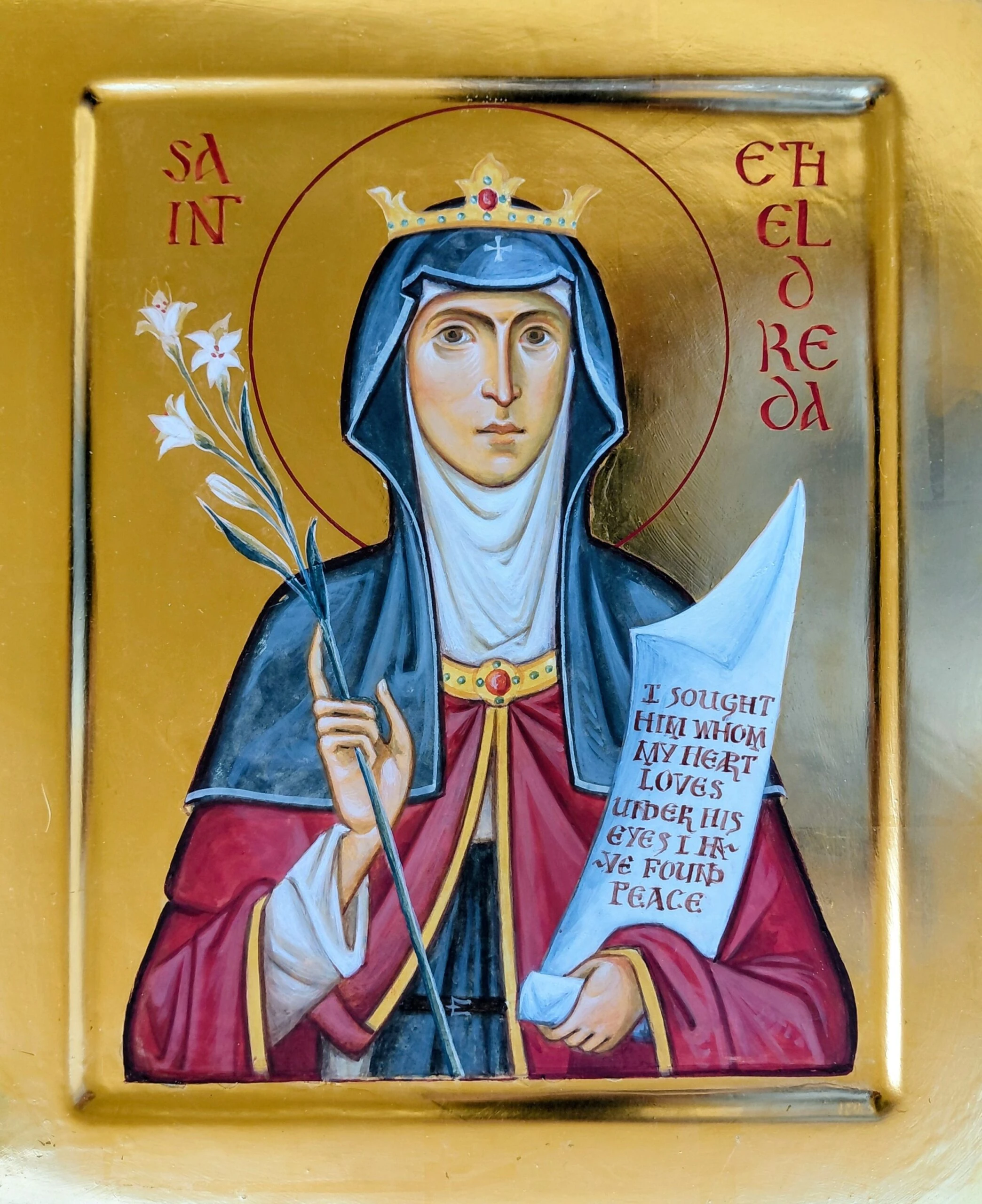
Etheldreda was a daughter of Anna, king of East Anglia. After two political marriages, she entered monastic life at Coldingham. In 673 she returned to land she owned at Ely and founded a community for monks and nuns. The cathedral’s account also remembers her gift of land for Hexham Abbey. Her community at Ely and the devotion that developed around her grave shaped the city’s religious history. She died in the late seventh century.
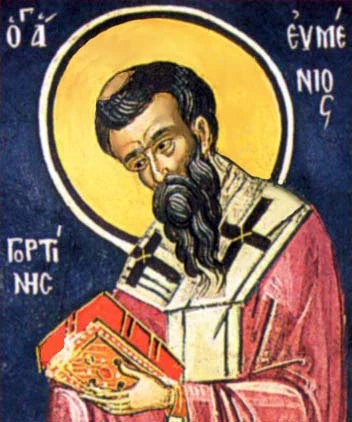
Eumenius distributed his wealth to poor people before entering monastic life. He later became bishop of Gortyna. The calendar remembers him traveling to Rome and then to the Egyptian Thebaid to preach Christianity. The received life also tells of rain during drought through his prayers. He died in the Thebaid, and his relics were returned to his native region.
The directory indexes the OCA full-year calendar, including leap-day commemorations, alongside additional researched profiles. Calendar entries include individual saints, groups, icons and feasts. An entry count is not a count of unique saints. Categories are provisional; follow the linked source.
Dates show commemorations in the referenced calendar year. Movable feasts change annually, and local calendars may differ. Additional jurisdictions, original biographies and icon research remain in progress. This collection does not yet claim complete Eastern Orthodox coverage.
Calendar metadata was retrieved through Orthocal’s source repository and the Orthodox Church in America. Source-only calendar records link to their original accounts; researched profiles include individually sourced artwork.
 Patron SaintTake the quiz