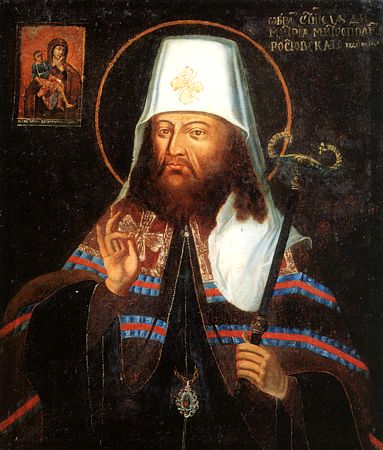
Demetrius Tuptalo studied at the Kyiv college before becoming a monk and priest. His preaching and literary ability led to a major responsibility at the Caves Lavra: gathering and presenting the lives of the saints throughout the year. The work required years of reading, comparison, and writing for ordinary believers. He later became metropolitan of Rostov, continuing pastoral and scholarly service despite frail health. When he died, books and manuscripts formed the principal possessions he left behind. Orthodox Christians remember him as a teacher whose scholarship made the experience of earlier saints available to new generations.
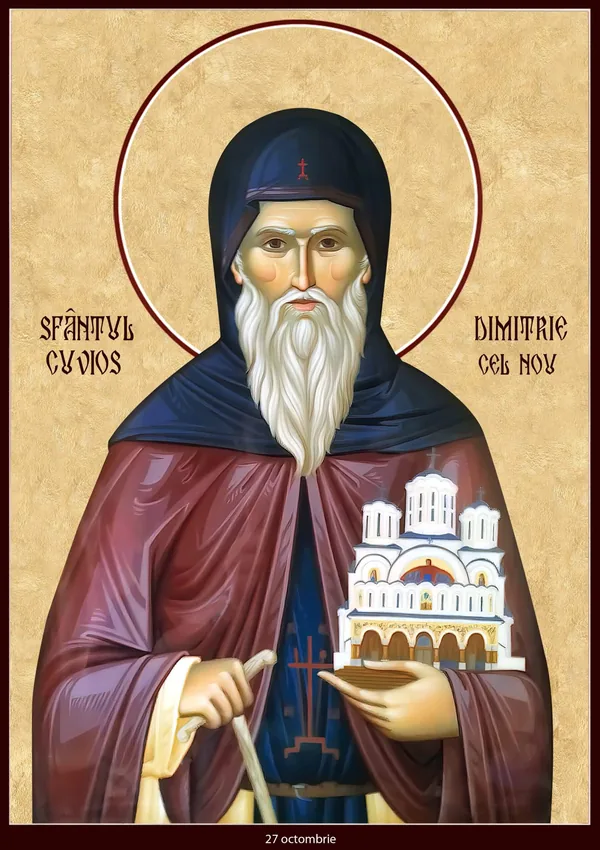
Dimitrie came from a poor Christian family in Basarabov and worked tending the village cattle. He later entered monastic life near the Lom River and lived in prayer and solitude. The calendar does not establish a precise lifetime beyond a broad medieval period. His relics eventually came to Bucharest, where he is honoured at the Patriarchal Cathedral.
Domnina lived near Cyrrhus in Syria and is known through the account of Theodoret of Cyrrhus. Drawn to ascetic life, she built a small dwelling in a corner of her mother’s garden. Her withdrawal did not separate her from the worship of the Church: she went to church in the morning and evening to pray. Theodoret remembers her quiet manner and tearful devotion. She continued this austere life until her peaceful death around 460. Her example shows a life organized around prayer in a humble setting, without the pursuit of public recognition.
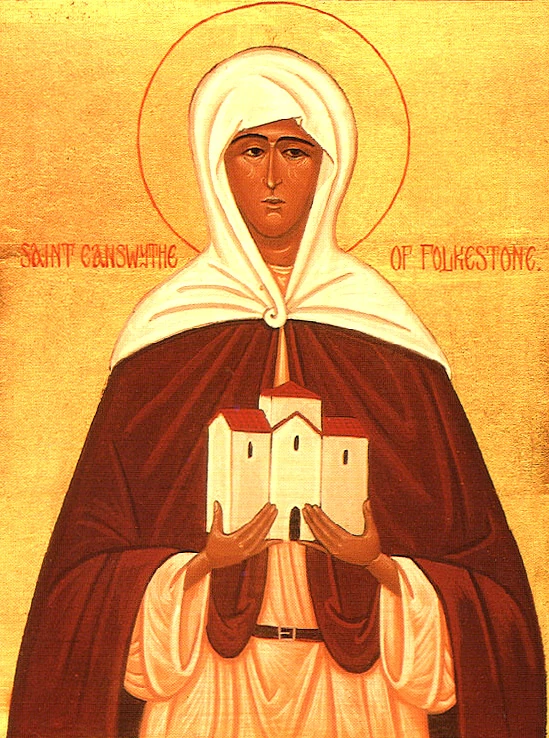
Eanswythe belonged to Kent's royal family but sought monastic life rather than the marriage her father proposed. The OCA's received life remembers her asking for a place to pray and the foundation of a women's monastery at Folkestone. She lived there with companions and followed a rhythm of worship, spiritual reading, and manual work. Details of her later abbacy are limited, and the account distinguishes known practices from suggestions about particular crafts. Her commemoration preserves the memory of an early English women's community and a young woman's religious vocation. The monastery's later losses and the movement of her relics belong to its continuing history.
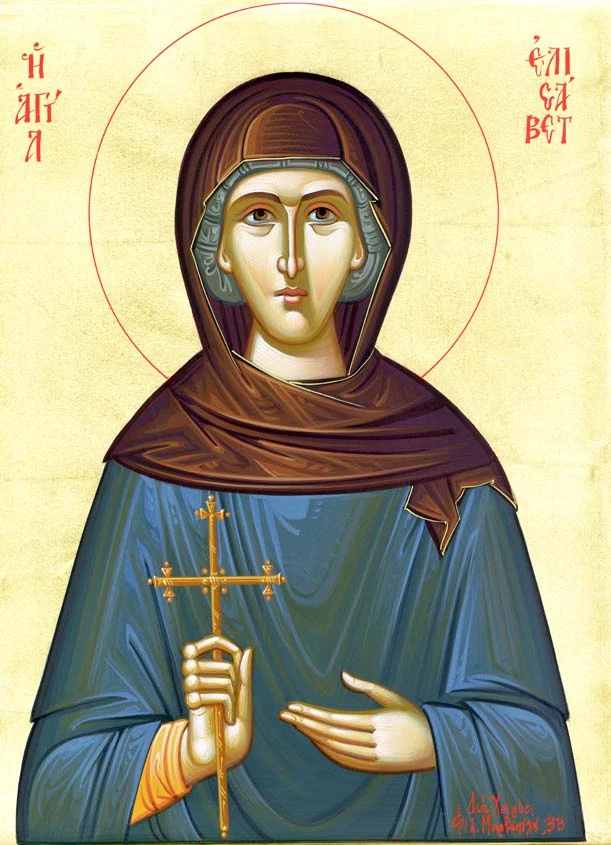
Elizabeth came from Heraclea in Thrace. After losing her parents while still young, she distributed her inheritance to poor people, freed the people who served her household, and entered the Monastery of Saint George in Constantinople. Her aunt led the community. Elizabeth later became abbess and guided the sisters through a life of prayer. The received life remembers people seeking her help for illness and spiritual counsel, and the healings associated with her prayers.
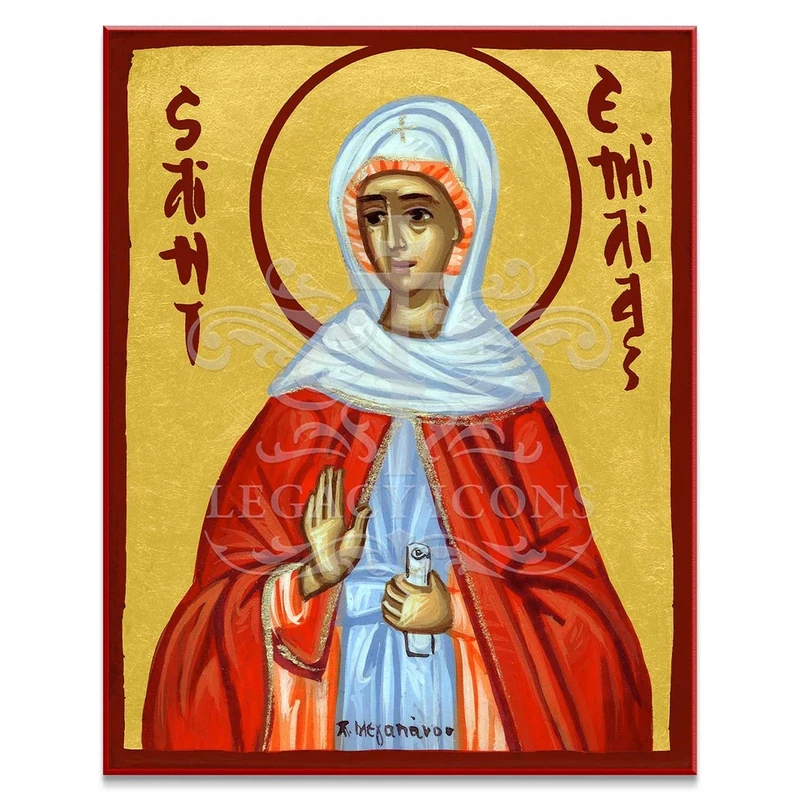
Emilia was the mother of a large Cappadocian family that included Basil the Great, Gregory of Nyssa, Macrina, and Peter of Sebaste. The OCA account of Macrina describes Emilia teaching her daughter through Scripture and the Psalms, prayer, and household responsibilities. After her husband’s death and the growth of her children, Emilia joined Macrina in a shared ascetic life. Their household servants were freed, and those who remained lived with the women in a community of common work and prayer. Her remembrance therefore includes both years of family formation and a later life that crossed established social divisions.
The directory indexes the OCA full-year calendar, including leap-day commemorations, alongside additional researched profiles. Calendar entries include individual saints, groups, icons and feasts. An entry count is not a count of unique saints. Categories are provisional; follow the linked source.
Dates show commemorations in the referenced calendar year. Movable feasts change annually, and local calendars may differ. Additional jurisdictions, original biographies and icon research remain in progress. This collection does not yet claim complete Eastern Orthodox coverage.
Calendar metadata was retrieved through Orthocal’s source repository and the Orthodox Church in America. Source-only calendar records link to their original accounts; researched profiles include individually sourced artwork.
 Patron SaintTake the quiz