Euphemia belonged to a group of Christians who gathered for prayer rather than attend a compulsory pagan festival in Chalcedon. When the group was arrested, she refused to abandon Christ. Her traditional life remembers her continuing in prayer after being separated from the others and enduring threats without surrendering her faith. A church built over her grave later hosted the Fourth Ecumenical Council in 451. The Church associates her memory with that council’s confession of Christ. Euphemia’s witness gives a clear image of faith sustained in community and held firmly when a person must stand alone.
The traditional life of Irene begins with a young woman named Penelope, educated by the Christian tutor Apellian. After baptism she received the name Irene and committed herself to Christ despite pressure from her family and successive rulers. Her life describes sustained prayer, reading, and public teaching, bringing others to Christian faith. She continued that witness through imprisonment and persecution. The account follows her through several cities and preserves differing traditions about her death. The Church remembers her courage together with the work of sharing the faith she had received.
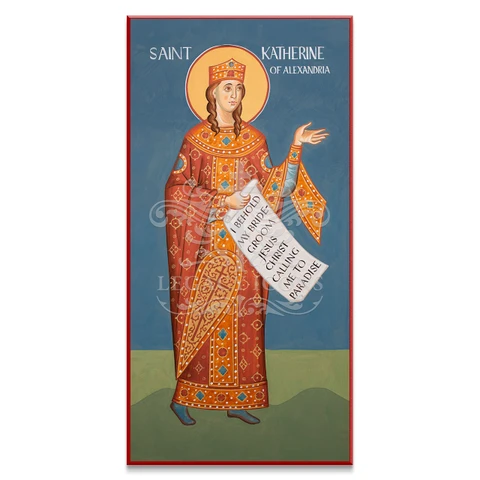
The Church’s traditional account presents Katherine as a learned woman who confessed Christ before imperial authorities. Remembered for both intelligence and steadfast faith, her story brings the pursuit of truth together with the courage to bear witness.
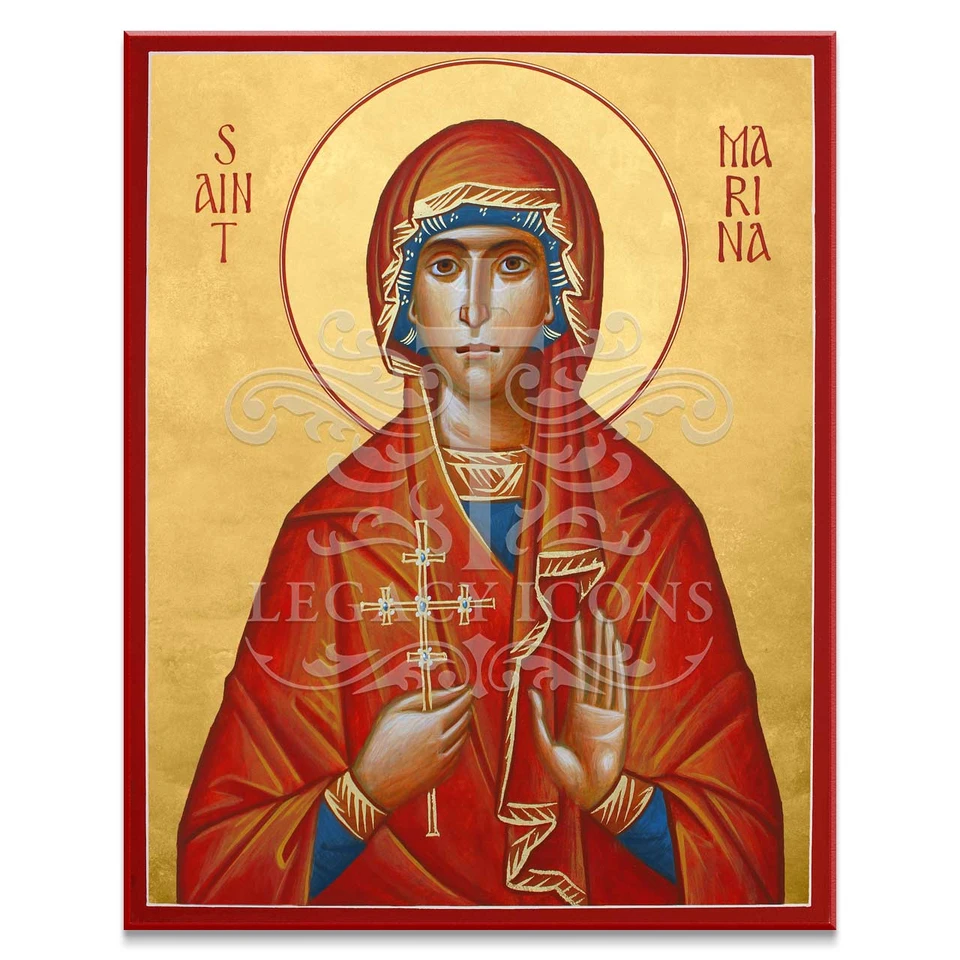
Marina’s traditional life locates her in Pisidian Antioch, where she learned the Christian faith while growing up in a pagan household. She refused a governor’s proposal and would not abandon Christ when pressure became violent. The Church remembers her prayer, endurance, and resistance to evil, expressed vividly in the imagery associated with her icons. She is also known as Margaret in Western traditions. The heart of her witness is not fascination with suffering but faithfulness under coercion. Her story can help readers consider the strength required to preserve conscience when powerful people demand surrender.
Theodore served as a newly enlisted soldier at Amaseia when he was ordered to offer pagan sacrifice. He confessed Christ and spent the interval granted for reconsideration in prayer. The received life describes imprisonment and repeated refusal to abandon his faith before death by burning. Later Orthodox tradition connects him with a warning to Christians during the first week of Lent and the use of boiled wheat, or kolyva. The Church therefore remembers him both on his fixed feast and on the first Saturday of Great Lent. His title refers to a recruit, rather than to the city of Tyre.
Panteleimon trained as a physician in Nicomedia and learned the Christian faith through the priest Hermolaus. His traditional life describes a conversion that transformed medical skill into generous service. He treated people without payment and visited prisoners whose injuries and suffering were easily ignored. His care for Christian captives attracted official hostility, and he was killed after refusing to renounce Christ. Orthodox Christians remember him as a healer and martyr. His story joins competence to compassion: the needs of a sick or vulnerable person take priority over prestige, profit, and the desire to remain safely unnoticed.
The directory indexes the OCA full-year calendar, including leap-day commemorations, alongside additional researched profiles. Calendar entries include individual saints, groups, icons and feasts. An entry count is not a count of unique saints. Categories are provisional; follow the linked Orthodox source.
Dates show commemorations in the referenced calendar year. Movable feasts change annually, and local calendars may differ. Additional jurisdictions, original biographies and icon research remain in progress. This collection does not yet claim complete Eastern Orthodox coverage.
Calendar metadata was retrieved through Orthocal’s source repository and the Orthodox Church in America. Source-only calendar records link to their original accounts; researched profiles include individually sourced artwork.
 Patron SaintTake the quiz