 Patron SaintTake the quiz
 Greatmartyr Barbara and Martyr Juliana, at Heliopolis in Syria
December 4
Read the OCA accountFind a name. Explore a life of faith. Search the Church’s calendar and follow each entry to its Orthodox source.
December 4
Read the OCA account
September 13
Ketevan became a widow after the death of her husband David, heir to the throne of Kakheti. Amid conflict within the royal family, she helped secure her son’s succession and carried responsibilities of government. Later she was taken to Persia as a hostage. Years of captivity became a period of sustained prayer and care for people around her. When ordered to abandon Christianity, she refused despite threats and offers of royal favor. She suffered martyrdom, and her relics were later honored in Georgia. Her commemoration remembers steadfast faith formed within family loss, leadership, and prolonged confinement.
Read the saint’s life
July 8
The received life identifies Procopius with Neanius, a man raised in Jerusalem who advanced in imperial service. Sent toward Egypt during persecution, he experienced a vision of Christ that transformed his attitude toward Christians. His refusal to obey the demand for pagan worship led to imprisonment at Caesarea. The narrative associates his new name with an encounter with Christ in prison and remembers his continued confession under interrogation. Other people, including his mother, were moved by his witness. Orthodox commemoration receives this account as the story of a persecutor becoming a believer and enduring martyrdom.
Read the saint’s life
February 8
Theodore Stratelates is remembered as a military commander at Heraclea who confessed Christian faith during the reign of Licinius. The received life joins his public witness with generosity to the poor. Refusal to submit to the emperor’s religious demands brought arrest and torture, followed by further confession and execution. A significant episode has Theodore restrain Christians who wished to retaliate, recalling Christ’s refusal of revenge. His servant Varus is associated with preserving the account. Orthodox commemoration honors him among the soldier martyrs while distinguishing him from Theodore the Recruit, who has a separate life and feast.
Read the saint’s life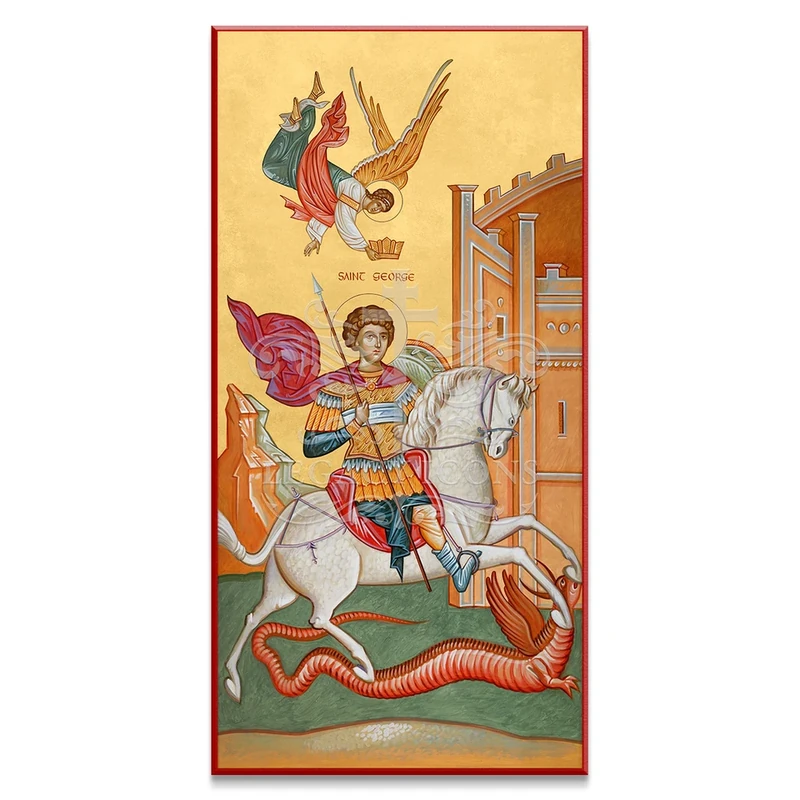
April 23
George’s traditional life describes a Christian soldier who refused to let imperial favor outweigh his allegiance to Christ. During persecution under Diocletian he openly confessed his faith and endured imprisonment and torture. The Church honors him as a great martyr and victory-bearer, remembering victory through faithfulness rather than worldly advantage. Familiar icons of George confronting a dragon belong to the wider tradition of his veneration. At the center of his witness stands a refusal to abandon Christ under pressure. His life invites courage that remains answerable to prayer, conscience, and love of God.
Read the saint’s life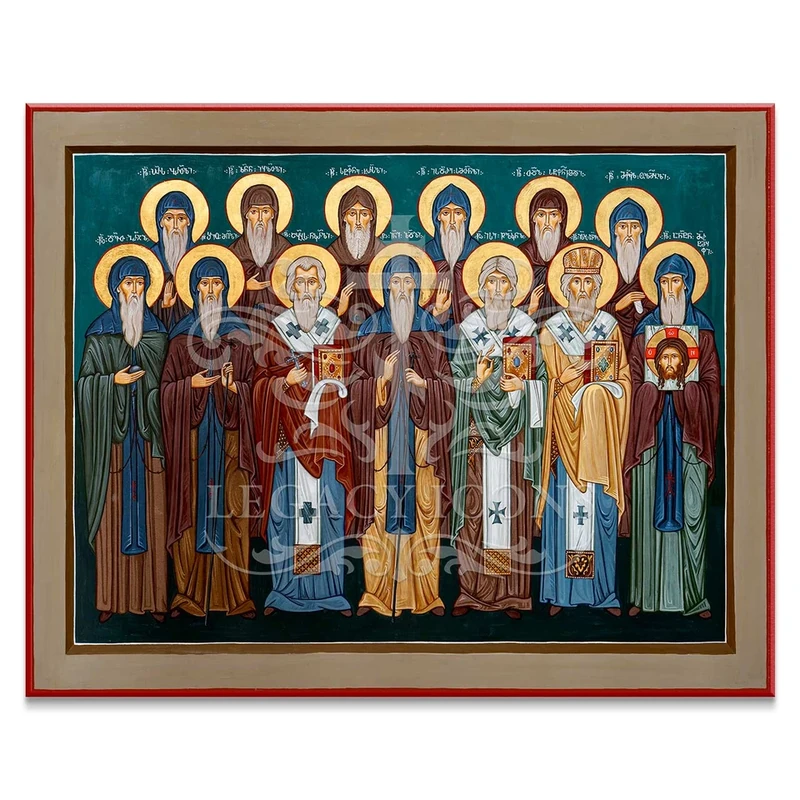
November 29
Abibus was one of the Syrian monastic fathers who came to Georgia with John of Zedazeni. With his teacher’s blessing he began serving in Nekresi and later became its bishop. He traveled through villages and mountain communities to teach the Christian faith. The traditional life describes his opposition to religious coercion under Persian rule, which led to arrest and trial. During that final journey he received encouragement from fellow ascetics and prayed with Shio of Mgvime. He was eventually killed. The Church remembers a pastor whose public witness was sustained by spiritual friendship and prayer.
Read the saint’s lifeThe directory indexes the OCA full-year calendar, including leap-day commemorations, alongside additional researched profiles. Calendar entries include individual saints, groups, icons and feasts. An entry count is not a count of unique saints. Categories are provisional; follow the linked Orthodox source.
Dates show commemorations in the referenced calendar year. Movable feasts change annually, and local calendars may differ. Additional jurisdictions, original biographies and icon research remain in progress. This collection does not yet claim complete Eastern Orthodox coverage.
Calendar metadata was retrieved through Orthocal’s source repository and the Orthodox Church in America. Source-only calendar records link to their original accounts; researched profiles include individually sourced artwork.