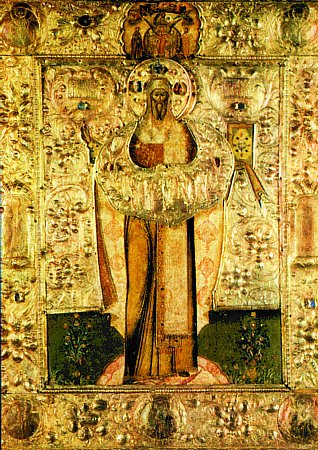
Euthymius entered a small monastic community near Novgorod before becoming a steward, abbot, and eventually archbishop. His responsibilities included the administration of a large diocese, yet the OCA remembers his continued observance of the monastic prayer rule. After destructive fires, he organized extensive church building and restoration. He also supported the copying of service books and the preservation of worship. Near death, a difficult political relationship led him to seek prayers and pardon from Metropolitan Jonah. He died in 1458. His commemoration recalls both practical stewardship and the need for spiritual accountability within a position of considerable public authority.
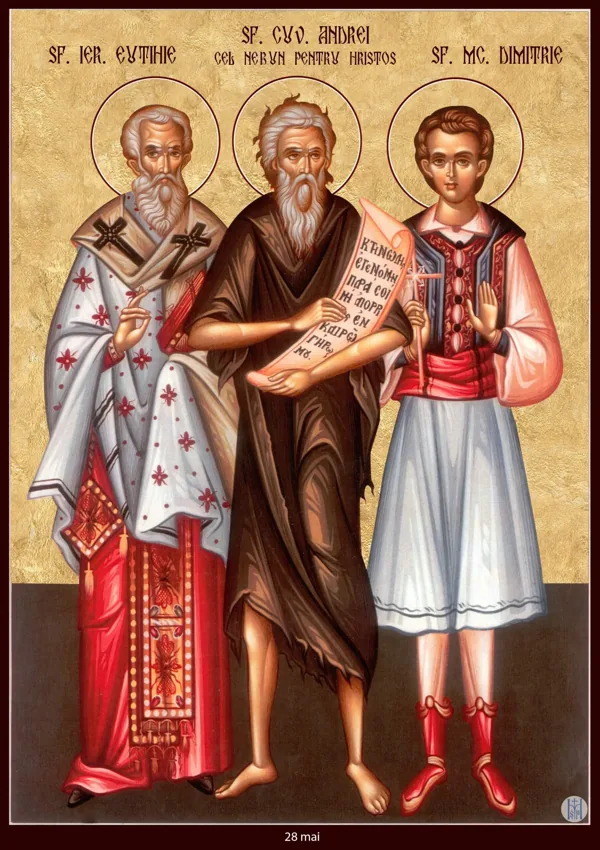
Eutychius is remembered as a collaborator of the apostles who suffered martyrdom at Melitene in the first century. The Romanian calendar commemorates him as a bishop and martyr on May 28.
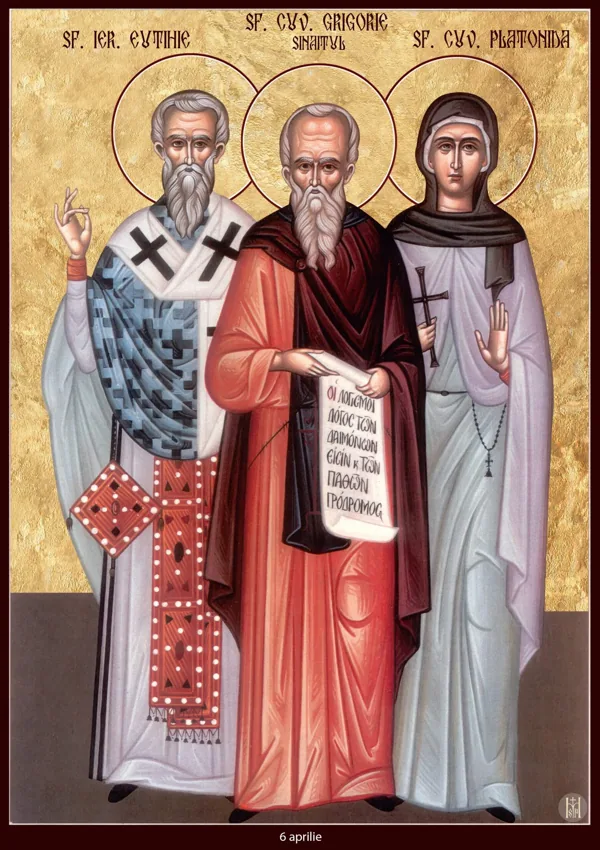
Eutychius entered monastic life in Amasia and later became patriarch of Constantinople. The calendar remembers his role in the Fifth Ecumenical Council and his opposition to a teaching about Christ that brought imperial exile. He continued his religious life in Amasia and later returned to Constantinople.
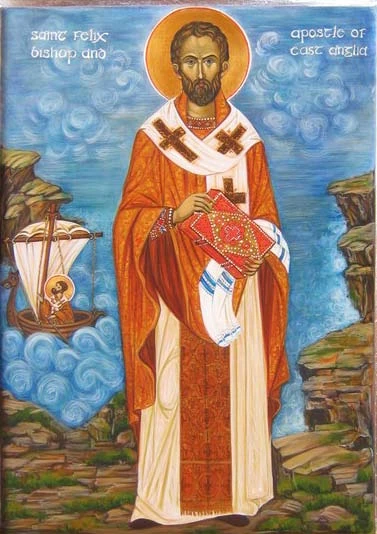
Felix came from Burgundy and served as a bishop in East Anglia after being sent by Honorius of Canterbury. With King Sigebert’s support, he established churches and a school for boys and brought teachers from Canterbury. His episcopal ministry is traditionally associated with Dunwich on the Suffolk coast. The received account remembers seventeen years of work in East Anglia and his death in 648. His story connects missionary teaching with practical provision for learning.
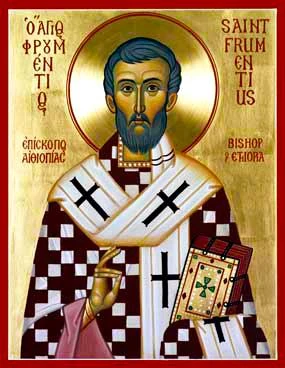
Frumentius and his brother Aedesius survived an attack during a voyage and entered service at a royal court. Their positions enabled Christian merchants to gather for worship. When the brothers were allowed to leave, Aedesius returned toward his family, while Frumentius went to Alexandria to explain the community’s need for Christian teaching. Athanasius judged that Frumentius himself should return and ordained him a bishop. Frumentius made the journey back and taught the Christian faith over many years. The received life also remembers the building of churches and the ordination of priests. The Romanian calendar identifies his ministry with Ethiopia. His ministry centered on teaching and helping establish a church community.
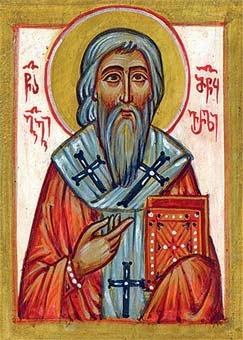
George Matskevereli was bishop of Atsquri in the late ninth and early tenth centuries. Raised at Opiza Monastery, he became known as a church writer, although his writings have not survived. He was a close companion of Serapion of Zarzma and supplied Basil of Zarzma with recollections that helped preserve Serapion’s life. The Georgian account also remembers his leadership during an inheritance dispute in Samtskhe. He died in the early tenth century.
The directory indexes the OCA full-year calendar, including leap-day commemorations, alongside additional researched profiles. Calendar entries include individual saints, groups, icons and feasts. An entry count is not a count of unique saints. Categories are provisional; follow the linked source.
Dates show commemorations in the referenced calendar year. Movable feasts change annually, and local calendars may differ. Additional jurisdictions, original biographies and icon research remain in progress. This collection does not yet claim complete Eastern Orthodox coverage.
Calendar metadata was retrieved through Orthocal’s source repository and the Orthodox Church in America. Source-only calendar records link to their original accounts; researched profiles include individually sourced artwork.
 Patron SaintTake the quiz