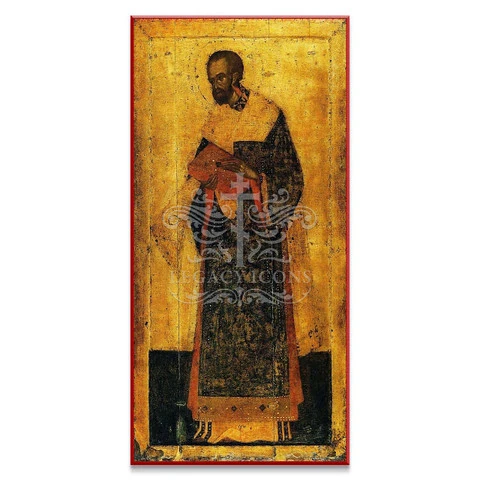
John became known for preaching and explaining Scripture, earning the name Chrysostom, or Golden-Mouthed. As archbishop of Constantinople, he called Christians to a serious life of faith. His teaching joined theological insight with concern for people in poverty.
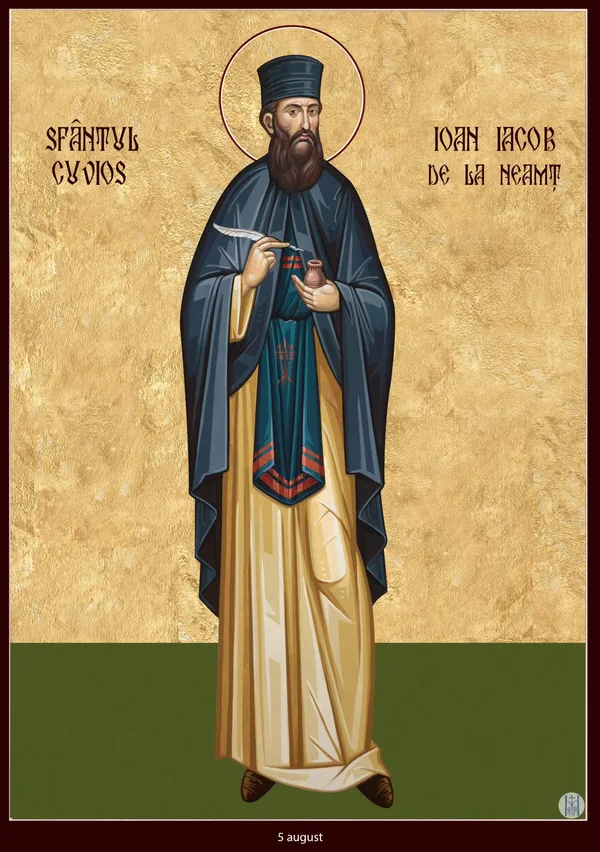
John Jacob entered Neamț Monastery and served in its infirmary and library. He later lived in the Holy Land, where his duties at Mar Saba included caring for sick monks and wounded Arab and Bedouin patients. He also translated writings of the Church Fathers and shared spiritual verse and instruction with pilgrims. Later he lived near Chozeba with a disciple. His commemoration on August 5 remembers a life joining care, learning and prayer.
John Maximovitch taught before entering the Kyiv Caves Monastery and taking on the obedience of preaching. As Bishop of Chernihiv, he founded a school and established a printing press for religious instruction. His later ministry in Tobolsk continued that educational work and included generous, often private help for poor households. The OCA remembers him visiting people in need dressed as an ordinary monk and serving a meal for clergy and poor guests on the day he died in 1715. His writings addressed the alignment of human choices with God's will. His commemoration joins sustained teaching with personal hospitality and practical generosity.
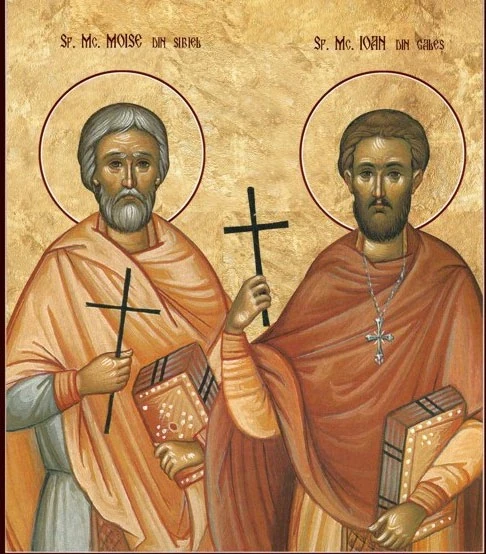
John was ordained a priest in Wallachia when Transylvania had no Orthodox bishop. He defended the Orthodox community amid pressure to enter union with Rome. Arrested in 1756, he was imprisoned at Sibiu, Deva and Graz, and later at Kufstein. Visitors recalled his determination to remain faithful despite confinement. A petition in 1780 described his imprisonment as having lasted twenty-four years.
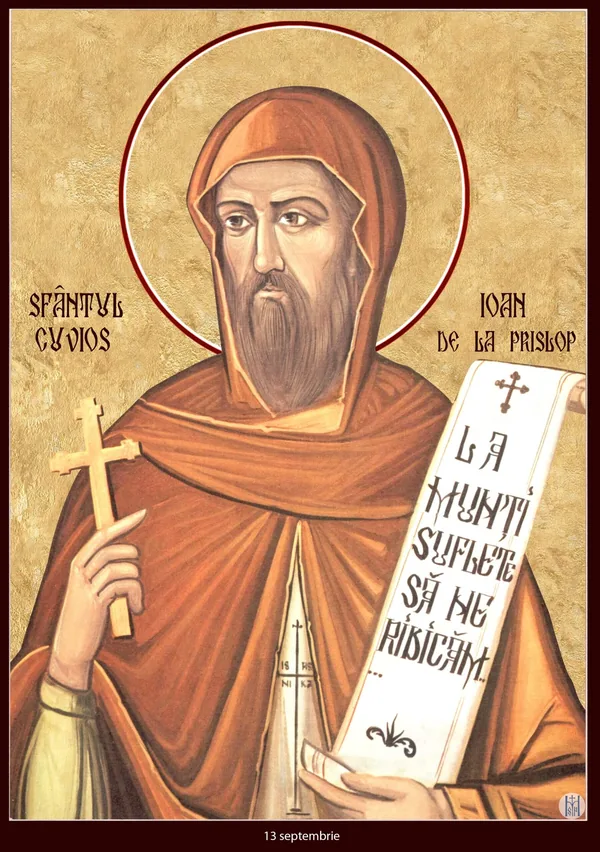
John entered Prislop Monastery after growing up near Hațeg. After years in the community, he received permission from his spiritual father to withdraw nearby. He carved a cell into the rock beside the Slivuț stream and lived there in prayer. Local tradition remembers his accidental death at the hands of hunters. His rock cell remains associated with his life of solitude.
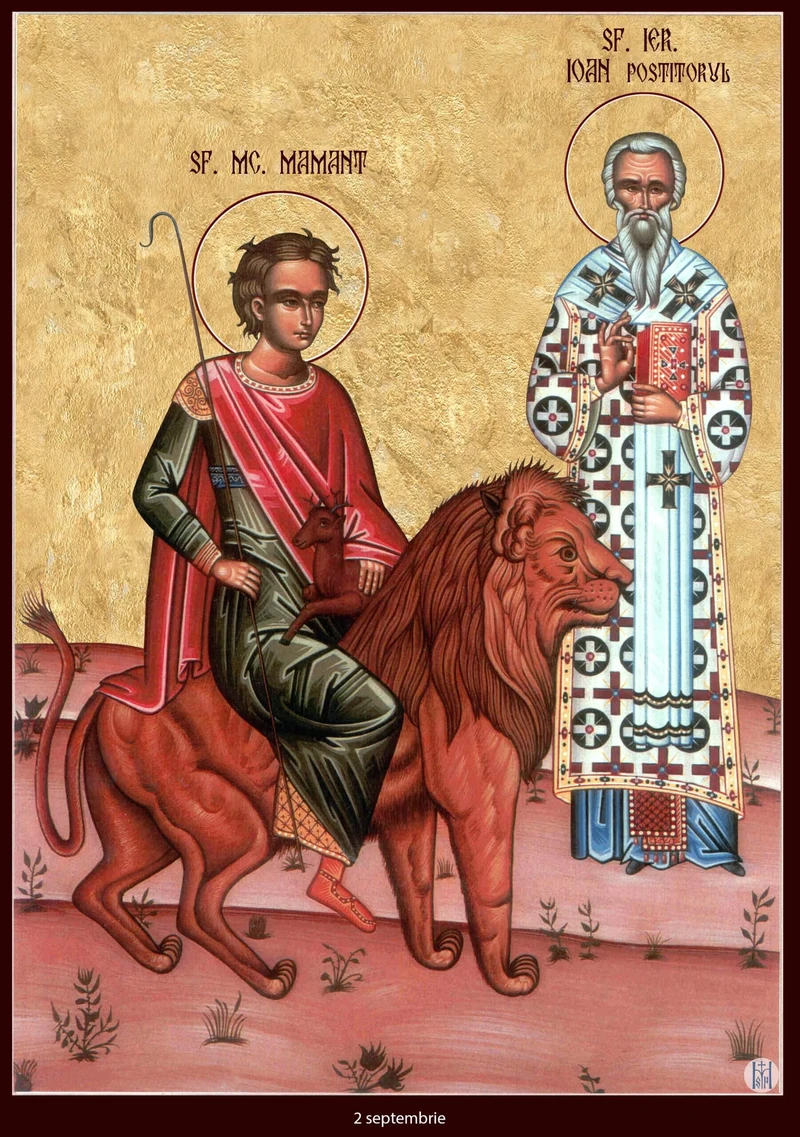
John began working life as a goldsmith in Constantinople, but became known for prayer, restraint, and interest in monastic discipline. He entered the clergy and continued daily study of Scripture and other church writings. Chosen as patriarch in 582, he taught through both preaching and personal example. His generosity to poor people left him with very few personal possessions at his death in 595. The Church also remembers writings associated with his name on repentance and confession. His title, the Faster, recalls an ascetic life, while his care for people in need shows that self-discipline was joined to outward generosity.
The directory indexes the OCA full-year calendar, including leap-day commemorations, alongside additional researched profiles. Calendar entries include individual saints, groups, icons and feasts. An entry count is not a count of unique saints. Categories are provisional; follow the linked source.
Dates show commemorations in the referenced calendar year. Movable feasts change annually, and local calendars may differ. Additional jurisdictions, original biographies and icon research remain in progress. This collection does not yet claim complete Eastern Orthodox coverage.
Calendar metadata was retrieved through Orthocal’s source repository and the Orthodox Church in America. Source-only calendar records link to their original accounts; researched profiles include individually sourced artwork.
 Patron SaintTake the quiz