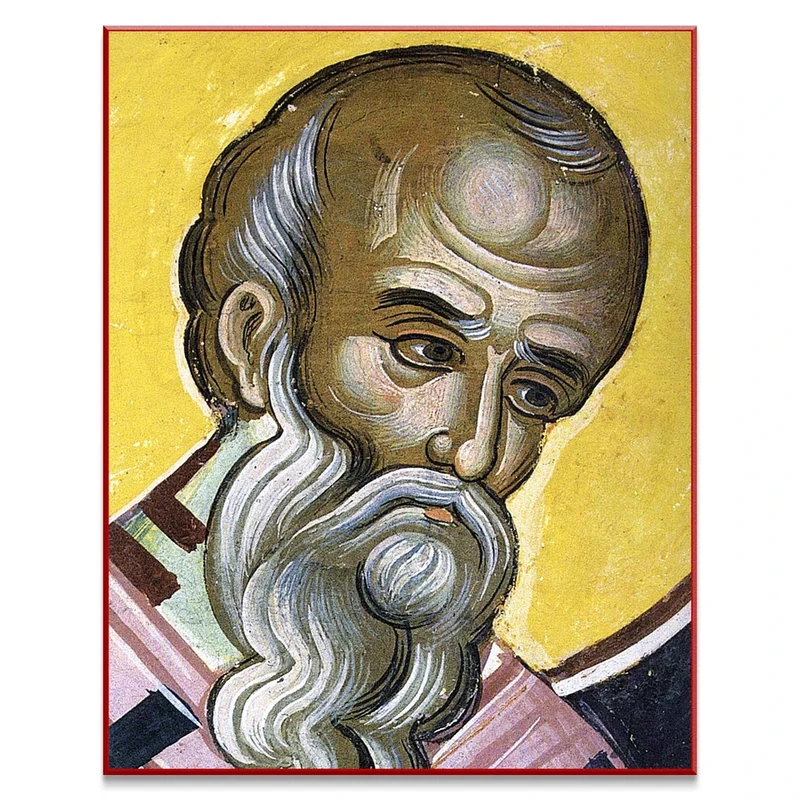
John was born on Cyprus and entered monastic life after the deaths of his wife and children. As patriarch of Alexandria, he treated care for people in need as a central responsibility of the Church. He organized regular support for the poor, received petitioners outside the cathedral, visited the sick, and used church resources to help ransom captives. His mercy also shaped personal relationships. The OCA life remembers him interrupting worship to seek reconciliation with an offended clergyman and responding generously to someone who had insulted his family. His public office became a means of practical compassion.
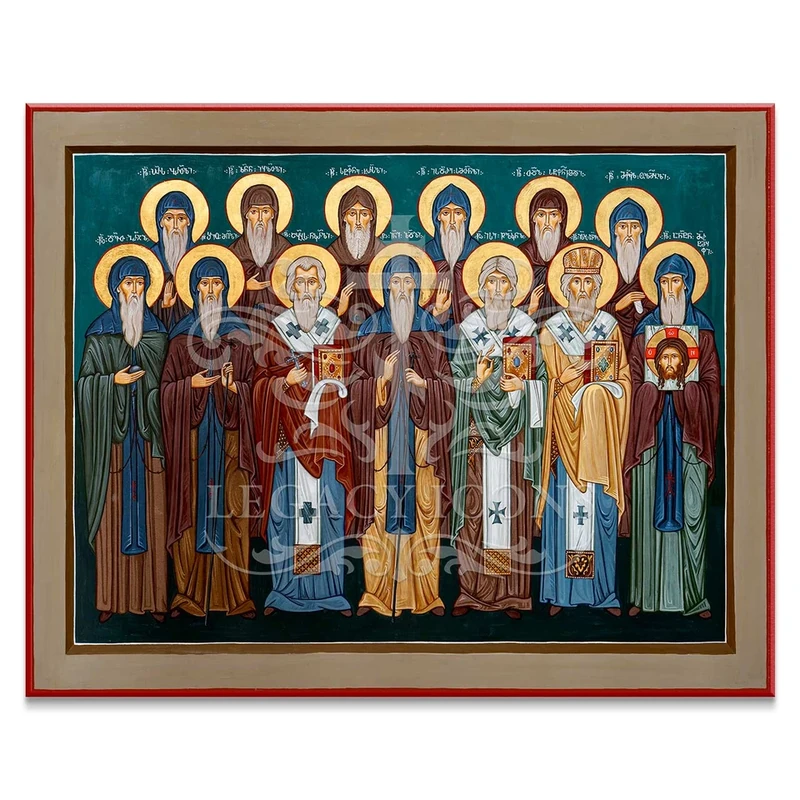
John was formed in the monastic life near Antioch before leading twelve disciples to Georgia. The traditional account describes prayer and discernment before that journey. With ecclesiastical blessing, the monks settled on Zedazeni Mountain, where other people gathered around their life of devotion. John later sent his disciples to serve in different regions while he remained at Zedazeni. He continued teaching, prayer, and care for those who came to him. Before death he blessed his disciples and received Communion. His commemoration remembers leadership that prepares others for responsibility instead of keeping every work around one person.
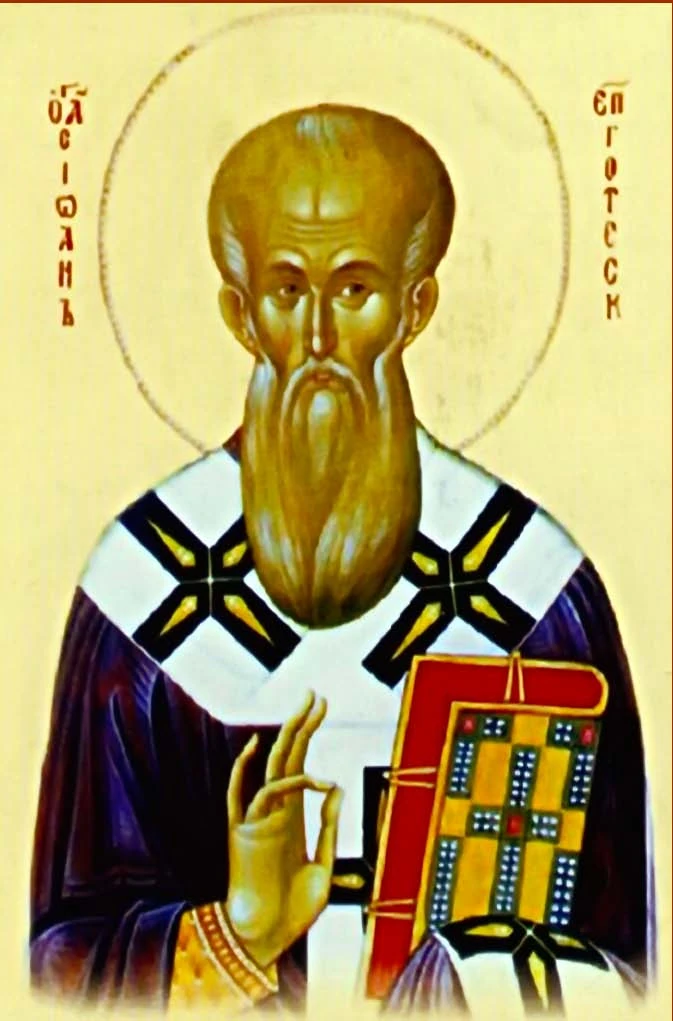
John was born at Parthenit in the Crimea to Leo and Photini. He followed an ascetic life while young and later made a pilgrimage to the Holy Land. After returning, he was asked to become bishop of the Gothic community at Doros. He was ordained in Georgia and served in the Crimea before being forced to leave. He settled at Amastris in Pontus, where he died.
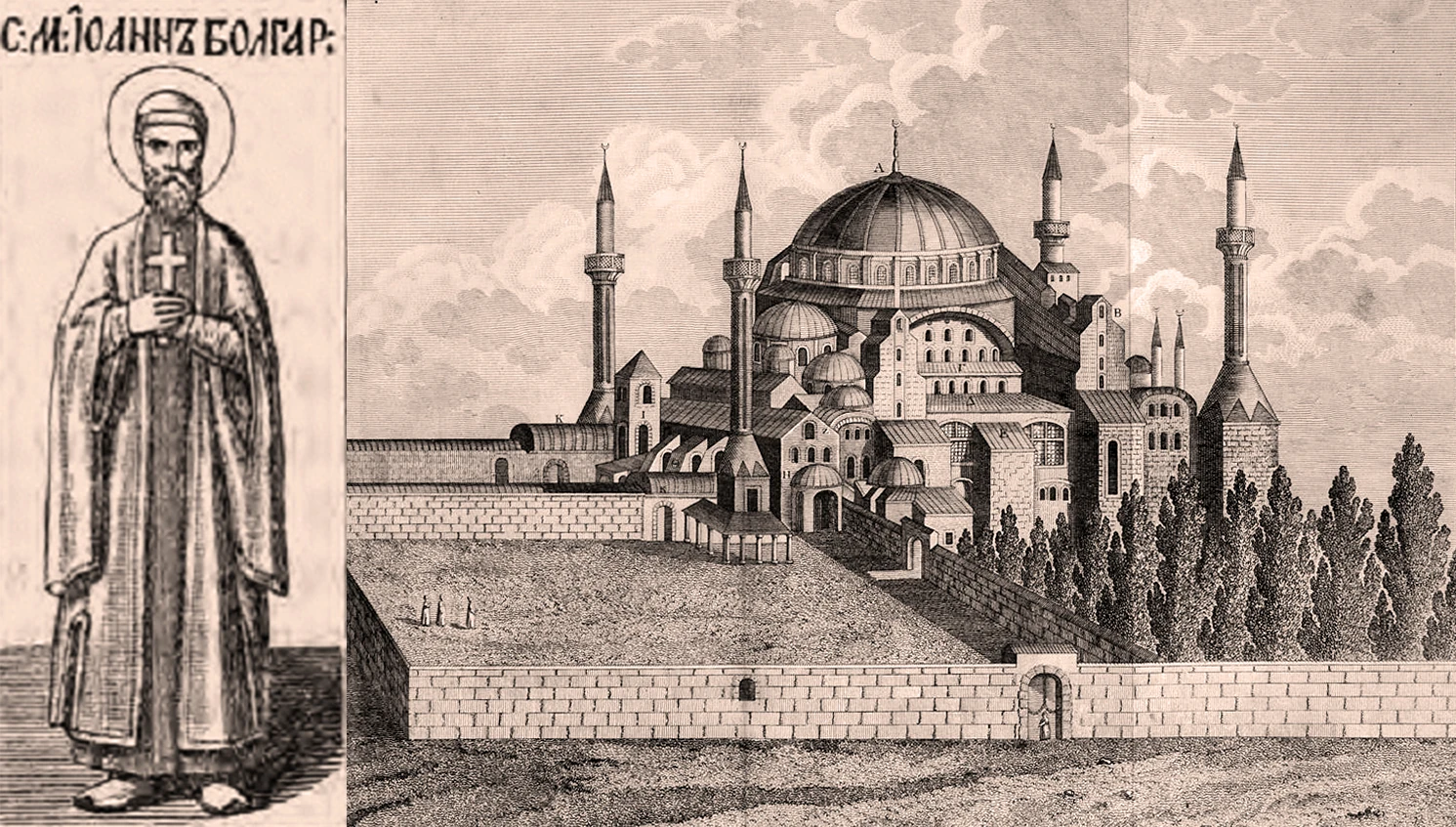
John came from Bulgaria and went to Mount Athos after abandoning Christianity and later regretting that decision. The received account remembers him assisting a spiritual elder for three years. He subsequently traveled to Constantinople and publicly professed his Christian faith at Hagia Sophia. He was killed there on March 5, 1784, at the age of nineteen.
John-Vladimir was a Serbian prince. The OCA account describes his government of Illyria and Dalmatia and his preservation of the Christian faith. He married Kosara, daughter of Tsar Samuel. John-Vladislav summoned him to talks, and he was murdered at a church entrance. Sources consulted differ over his exact year of death, which is therefore omitted here. The brief primary life supports this reference entry but does not provide enough evidence for quiz scoring.
Jonah entered monastic life while young and later worked in the bakery of Moscow's Simonov Monastery. Church responsibilities took him to Ryazan as bishop and eventually to the metropolitan's office. His appointment came during a difficult period of disagreement over church leadership and the Council of Florence. The OCA remembers his continued ascetic discipline and teaching through both words and conduct. During an attack on Moscow, he led a procession along the city walls and prayed for the people. His subsequent church foundation expressed thanksgiving. He died in 1461, leaving a commemoration that connects ordinary monastic work with pastoral responsibility in a crisis.
The directory indexes the OCA full-year calendar, including leap-day commemorations, alongside additional researched profiles. Calendar entries include individual saints, groups, icons and feasts. An entry count is not a count of unique saints. Categories are provisional; follow the linked source.
Dates show commemorations in the referenced calendar year. Movable feasts change annually, and local calendars may differ. Additional jurisdictions, original biographies and icon research remain in progress. This collection does not yet claim complete Eastern Orthodox coverage.
Calendar metadata was retrieved through Orthocal’s source repository and the Orthodox Church in America. Source-only calendar records link to their original accounts; researched profiles include individually sourced artwork.
 Patron SaintTake the quiz