Paula belonged to a wealthy Roman family and became a widow while still raising children. Friendship with Marcella and study with Jerome helped direct her toward prayer, Scripture, and simpler living. She later traveled to the Holy Land with her daughter Eustochium and settled near Bethlehem. Her resources supported hospitality for pilgrims and communities of monks and nuns. Paula also shared ordinary work rather than relying on her social rank. Already familiar with Greek, she studied Hebrew to deepen her understanding of the Psalms. She died in 404, remembered for bringing education, practical leadership, humility, and generous hospitality into a life centered on worship.
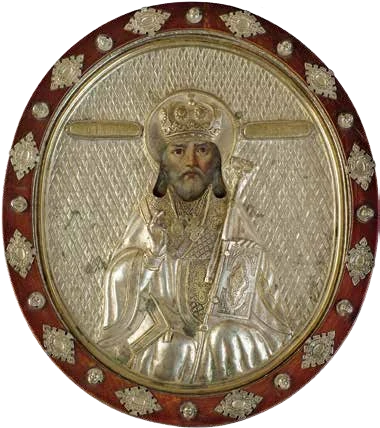
Peter of Cetinje came from Njeguši and entered monastic life while young. He later became metropolitan and ruler of Montenegro. His received life describes sustained efforts to reconcile feuding tribes, alongside his responsibility for defending the country during a period of conflict. Although he held political authority, he lived in a small monastic cell. He died in 1830, and his remains are kept at Cetinje Monastery.
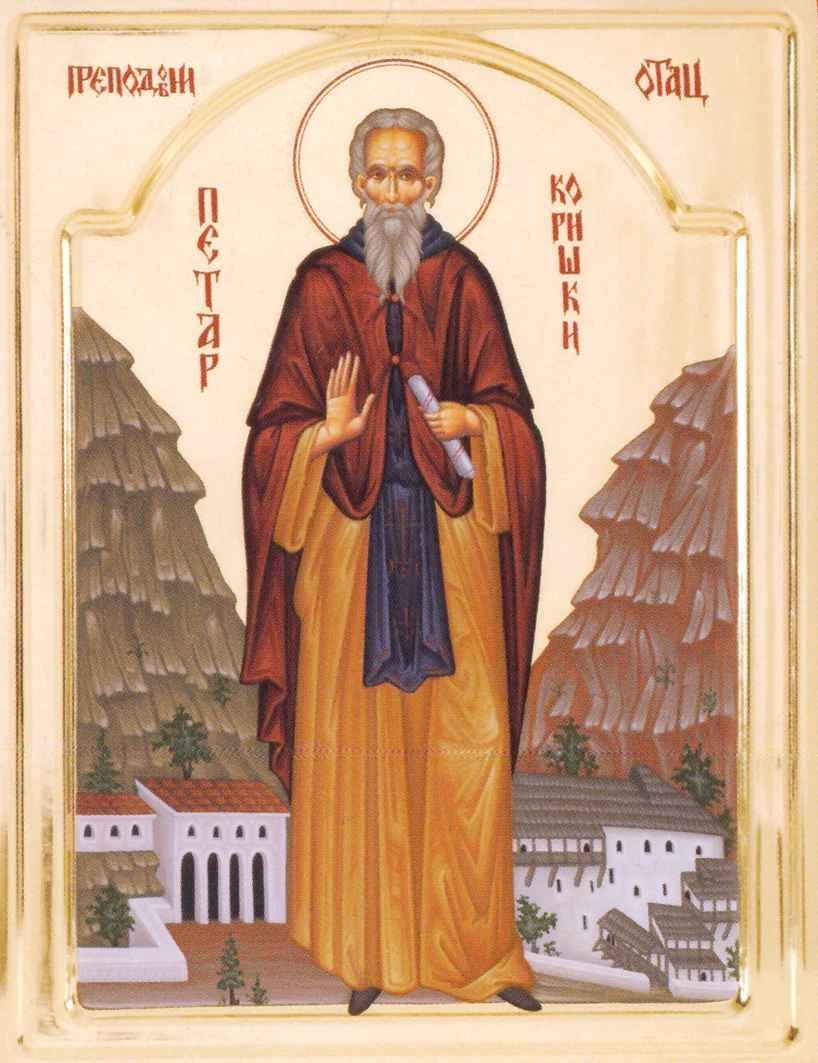
Peter was a monastic hermit associated with Korisha near Prizren in the thirteenth century. After his father died, he cared for his mother and younger sister before beginning monastic life. He later sought solitude in a rocky cave near Korisha. His received life describes sustained prayer and the arrival of monks who asked him to guide their monastic life. He welcomed those monks and permitted them to live in nearby caves. He died in his cave, and his memory remained connected with Korisha and Crna Reka.
Peter worked as a chief tax collector in Africa during Justinian's reign. The Church's account remembers a harsh man whose unexpected gift of bread became the beginning of repentance. A dream prompted him to reconsider his actions, and he began feeding, clothing, and supporting people in need. He eventually gave away his property. The received narrative follows a further, troubling decision to have himself sold into slavery and later disappear from public view. John the Merciful transmitted the story as an example of changed conduct. Peter's commemoration centers on generosity replacing cruelty, while its extreme choices require careful historical and pastoral context.
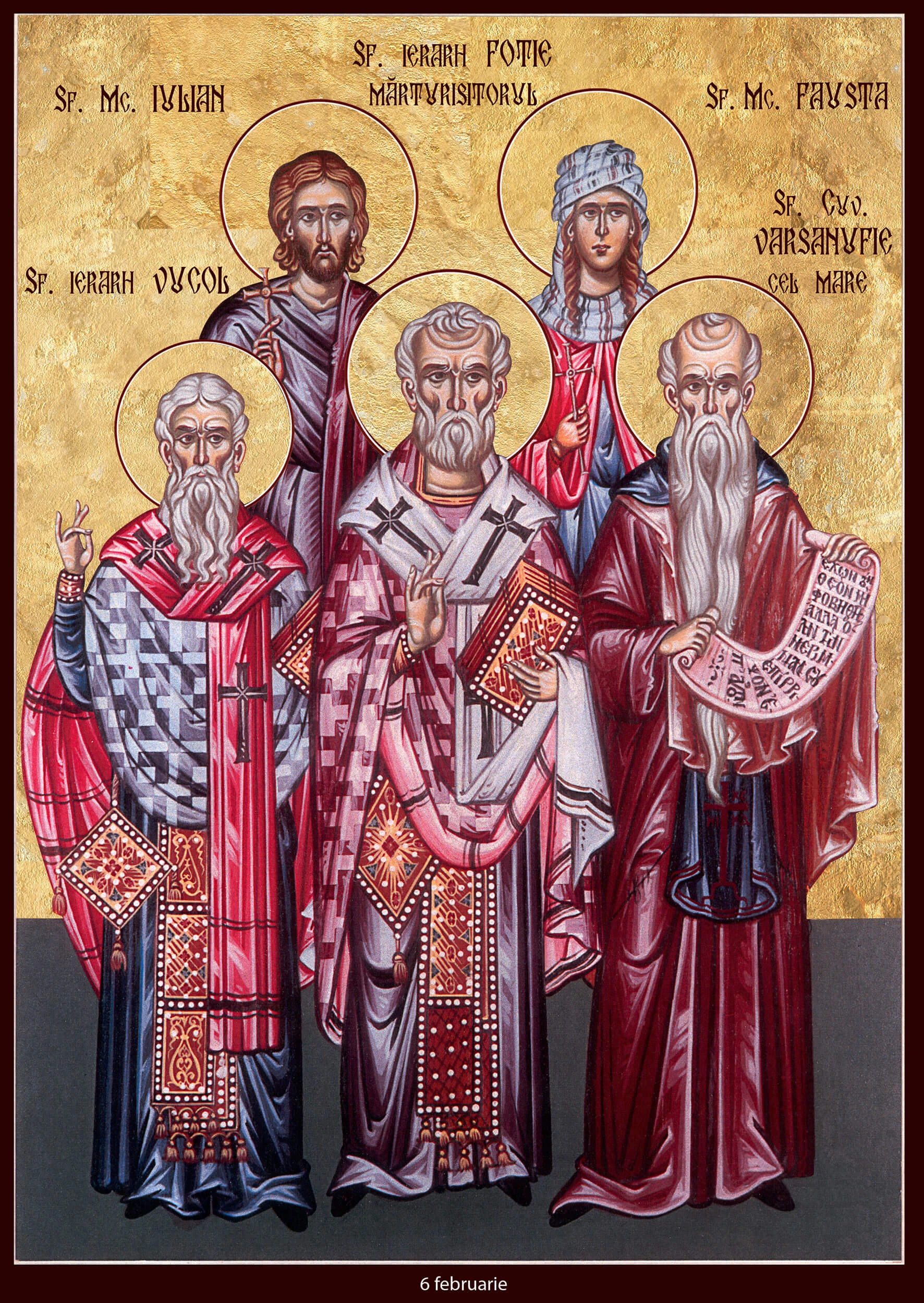
Photius received an extensive education and served in imperial administration before becoming patriarch of Constantinople. His students included the future missionary Cyril. His patriarchate unfolded amid disputes over church leadership, relations with Rome, and the Christian mission in Bulgaria. He endured deposition and confinement before returning to office, and later faced removal again. Orthodox remembrance honors his theological writing and his defense of the Church’s received confession of faith. His life joins intellectual work with the pressures of public responsibility, while the conflicts surrounding his office require more care than a simple story of personal success or failure.
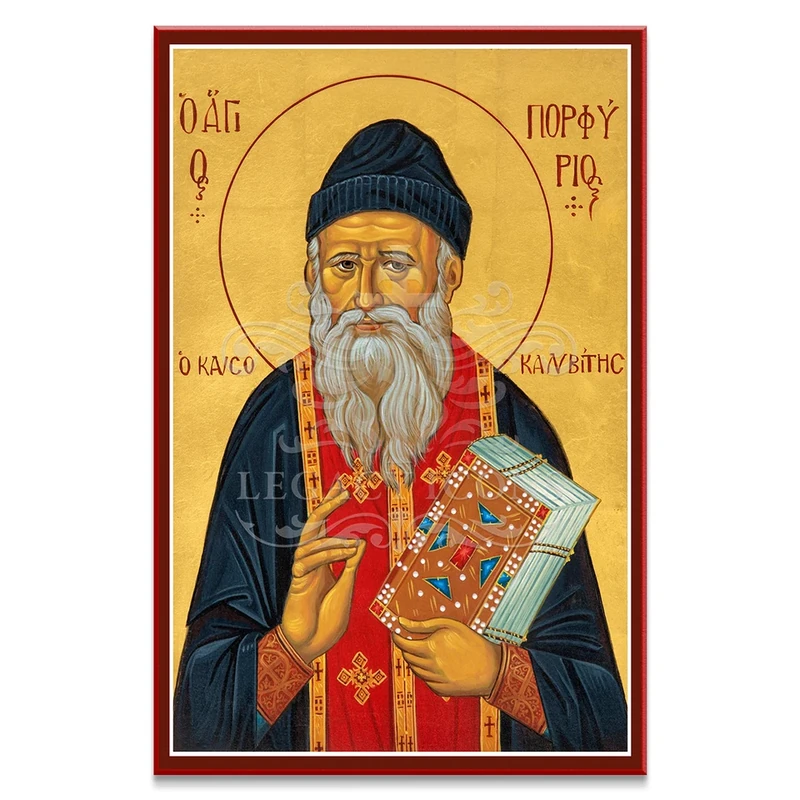
Porphyrios entered life on Mount Athos while young, but illness later required him to leave the mountain. As a priest he served for many years at the Athens Polyclinic, bringing spiritual care into the daily suffering of a busy city. People also sought him as a confessor and guide. In later life he worked toward establishing a monastery at Milesi before returning to Athos, where he died in 1991. His example shows that an interrupted plan can still become a fruitful vocation. Monastic prayer and attention to sick people remained connected throughout his ministry.
The directory indexes the OCA full-year calendar, including leap-day commemorations, alongside additional researched profiles. Calendar entries include individual saints, groups, icons and feasts. An entry count is not a count of unique saints. Categories are provisional; follow the linked source.
Dates show commemorations in the referenced calendar year. Movable feasts change annually, and local calendars may differ. Additional jurisdictions, original biographies and icon research remain in progress. This collection does not yet claim complete Eastern Orthodox coverage.
Calendar metadata was retrieved through Orthocal’s source repository and the Orthodox Church in America. Source-only calendar records link to their original accounts; researched profiles include individually sourced artwork.
 Patron SaintTake the quiz