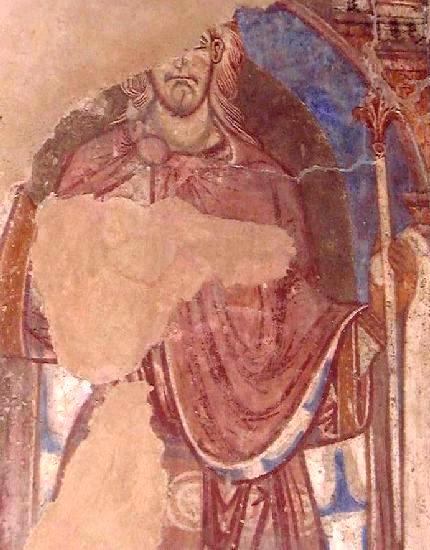
Oswald spent years in exile before becoming king of Northumbria. His time among the monks of Iona helped form his Christian faith and knowledge of Gaelic. As ruler he invited missionary help, gave Lindisfarne to Aidan, and interpreted the bishop’s preaching for listeners who did not share his language. The received life remembers his generosity, including the distribution of a royal meal and silver serving dishes to people in need. He died in battle in 642, praying for his soldiers. Orthodox remembrance honors a ruler whose faith also appeared in hospitality, translation, and care for the poor.
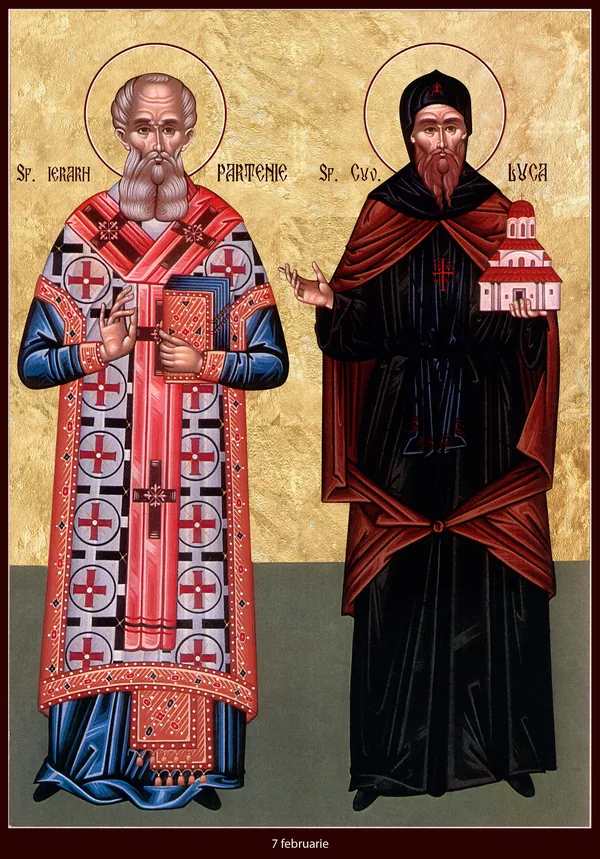
Parthenius was the son of a deacon and worked as a fisherman when young. He became a priest and later bishop of Lampsacus. The calendar remembers the people who came to Christian faith through his ministry, and the church he built in the city. His life is also preserved in accounts of miracles, which are part of the church’s remembrance of him.
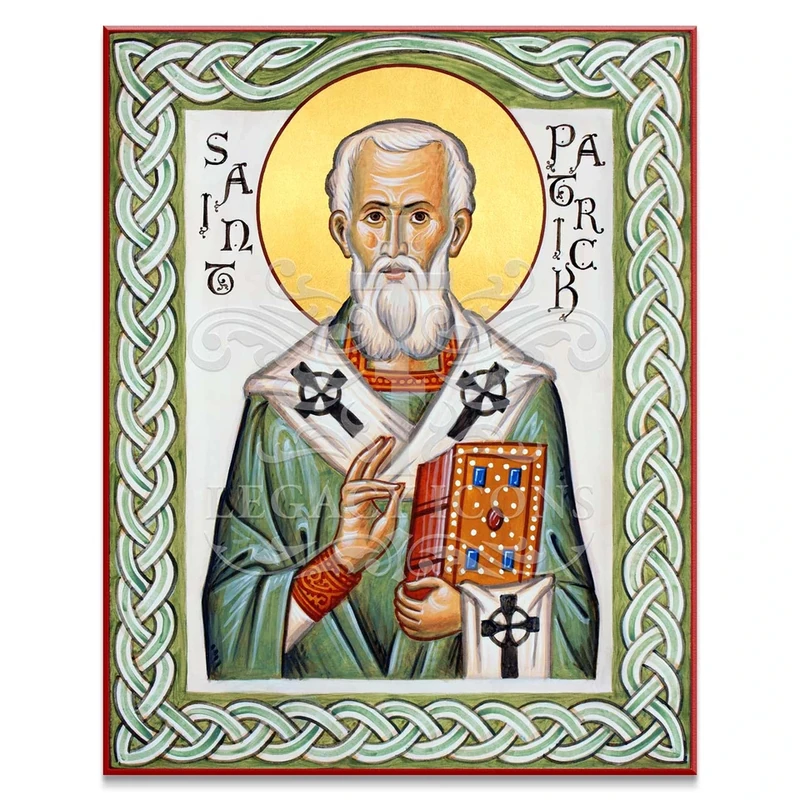
Patrick was taken captive as a teenager and enslaved in Ireland. During those years he learned the language and turned often to prayer. After returning home, he prepared for ministry and later went back to Ireland as a bishop and missionary. His writings remember hardship, opposition, and gratitude for God’s help rather than personal greatness. The Church honors his work of forming communities and teaching the Gospel. Patrick’s witness gives a strong image of perseverance and humble service, as a place once connected with suffering became the setting of a life devoted to other people.
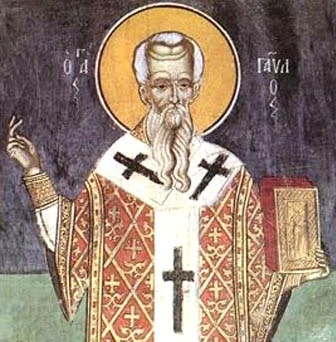
Paul came from Thessalonica and became archbishop of Constantinople during the disputes over Arian teaching. His defense of the Orthodox faith brought removal from office and repeated exile. The account describes a meeting with Athanasius in Rome, a temporary restoration, and a final exile to Cucusus in Armenia, where Paul was killed.
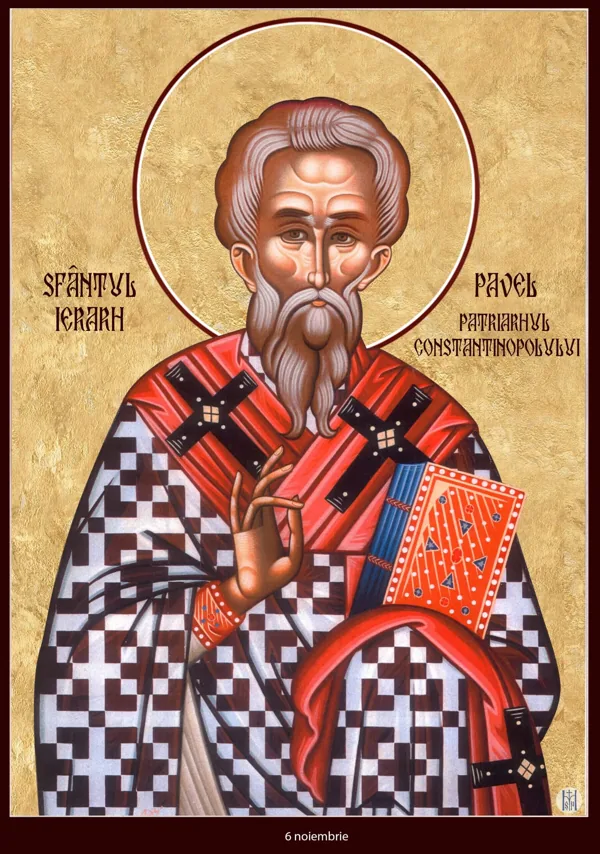
Paul came from Cyprus and became patriarch of Constantinople during the icon controversy. Under pressure from Emperor Leo IV, he signed a declaration against the veneration of icons. He later withdrew the declaration, resigned and entered the monastery of Florus. His received life recounts his grief and repentance over failing to teach the truth openly. He urged the rulers to convene a council to restore unity before his death.
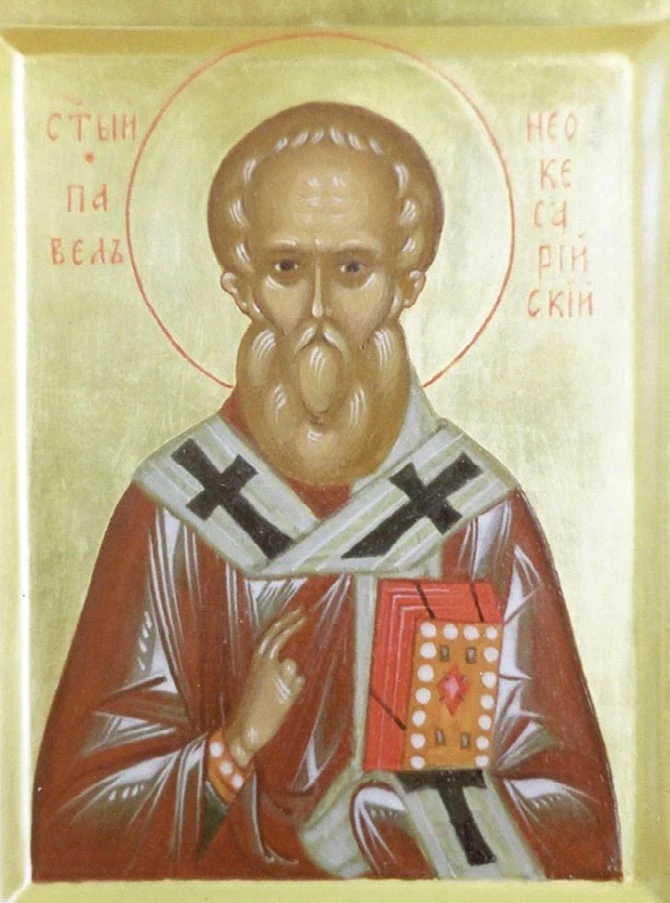
Paul was bishop of Neocaesarea during the persecution under Licinius. Summoned to the imperial court, he was threatened and tortured, leaving his hands badly injured. He was exiled to a fortress near the Euphrates. After Constantine ended the persecution, Paul returned to his diocese and attended the Council of Nicaea. The received account remembers Constantine honoring his injured hands. Paul later died peacefully.
The directory indexes the OCA full-year calendar, including leap-day commemorations, alongside additional researched profiles. Calendar entries include individual saints, groups, icons and feasts. An entry count is not a count of unique saints. Categories are provisional; follow the linked source.
Dates show commemorations in the referenced calendar year. Movable feasts change annually, and local calendars may differ. Additional jurisdictions, original biographies and icon research remain in progress. This collection does not yet claim complete Eastern Orthodox coverage.
Calendar metadata was retrieved through Orthocal’s source repository and the Orthodox Church in America. Source-only calendar records link to their original accounts; researched profiles include individually sourced artwork.
 Patron SaintTake the quiz