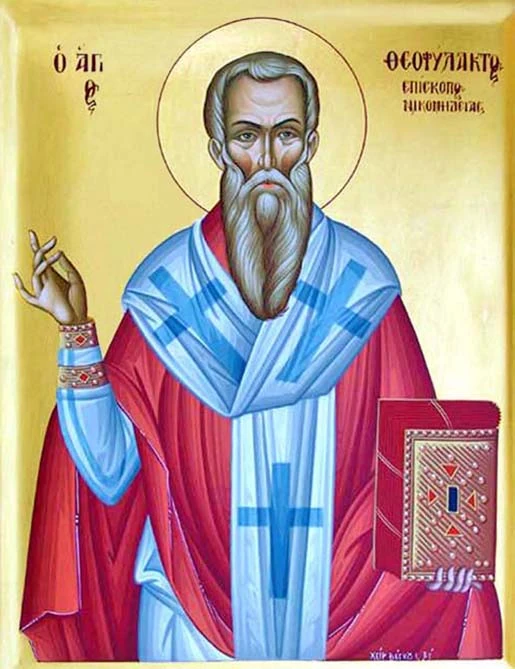
Theophylact studied in Constantinople and became a friend of Tarasius and Michael, the future bishop of Synnada. He and Michael entered a monastery by the Black Sea. Tarasius later ordained Theophylact bishop of Nicomedia. During the reign of Leo the Armenian, he joined other bishops in asking the emperor to end the conflict over the veneration of icons. He was sent into exile at Strovila, where he remained until his death.
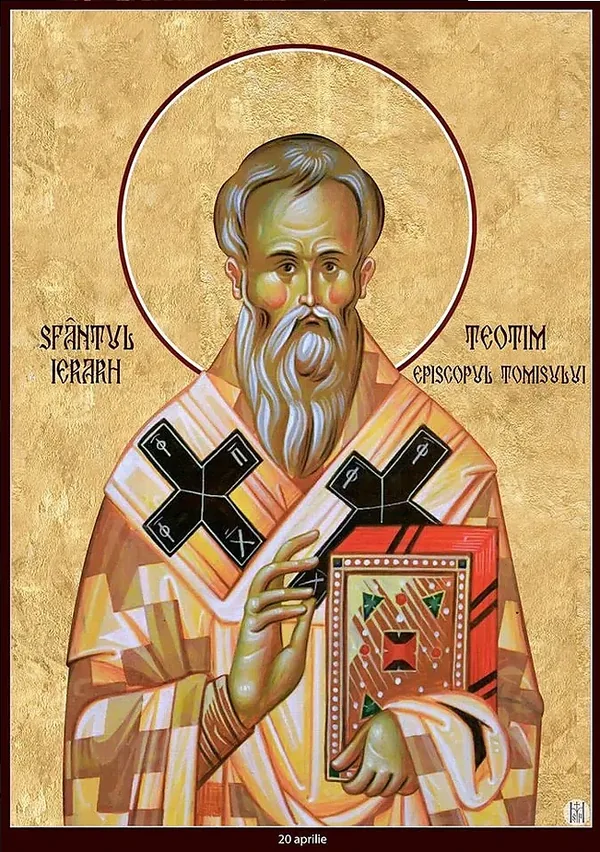
Teotim studied Scripture and Greek learning before serving as bishop of Tomis. The calendar remembers his gentle and generous dealings with Huns, as well as his theological teaching. He supported John Chrysostom during opposition and wrote dialogues and homilies on the Gospel. His ministry joined learning with personal care across the boundaries of the communities around him.
Tikhon grew up in poverty near Novgorod, studied at seminary and became a teacher before entering monastic life. As bishop of Voronezh, he developed the seminary and wrote guidance for clergy. Poor health led him to retire, and he settled at Zadonsk in 1769. There he continued writing about Christian life, advised visitors and interceded with landowners for ordinary people. He gave his pension and gifts to people in need. He died in 1783 and was glorified in 1861.
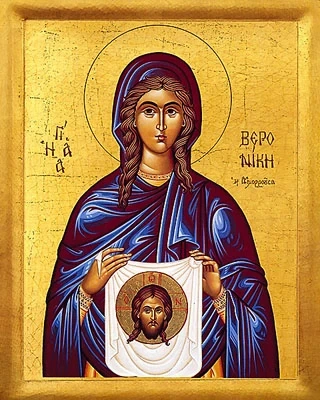
Orthodox tradition gives the name Veronica, or Bernice, to the woman healed of a long illness after touching Christ's garment. The Gospel narratives describe twelve years of bleeding, unsuccessful treatment, and her decision to approach Jesus through the crowd. When he asked who had touched him, she came forward and told him what had happened. Christ addressed her as a daughter and sent her away in peace. Later tradition connects her with Paneas and a commemorative image of the Savior. Her commemoration remembers trust, gratitude, and the restoration of a person whose suffering had lasted for years.
Vincent became a monk and priest at Lérins after a period of secular service. The OCA account notes that details of his life are scarce, but his writing provides a clear place in the Church’s memory. Under the name Peregrinus, he composed the Commonitorium, examining how received Christian teaching could be distinguished from novel errors. He defended the title Theotokos in the aftermath of the Council of Ephesus. His contemporaries valued his learning and speech, while his own description of himself emphasized humility. His remembrance rests chiefly on this work of careful theological discernment.
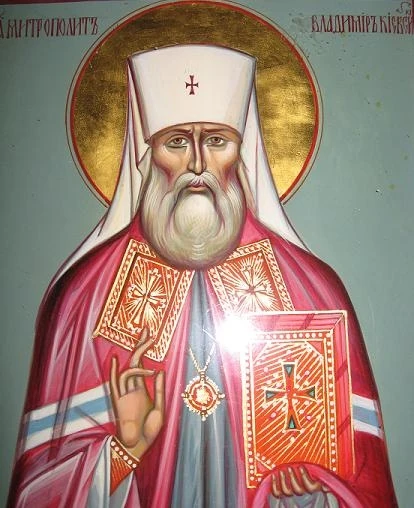
Vladimir Bogoyavlensky taught and served as a priest before the deaths of his wife and child led him into monastic life. As a bishop he cared for people suffering from cholera and crop failure. His later responsibilities included concern for poor people, widows, orphans, and education. While serving as Metropolitan of Kiev during revolutionary violence, he was taken from the monastery by armed men and killed. The OCA life remembers his final prayer and blessing for his executioners. His witness joins a long ministry of compassion with forgiveness at the end of his life.
The directory indexes the OCA full-year calendar, including leap-day commemorations, alongside additional researched profiles. Calendar entries include individual saints, groups, icons and feasts. An entry count is not a count of unique saints. Categories are provisional; follow the linked source.
Dates show commemorations in the referenced calendar year. Movable feasts change annually, and local calendars may differ. Additional jurisdictions, original biographies and icon research remain in progress. This collection does not yet claim complete Eastern Orthodox coverage.
Calendar metadata was retrieved through Orthocal’s source repository and the Orthodox Church in America. Source-only calendar records link to their original accounts; researched profiles include individually sourced artwork.
 Patron SaintTake the quiz