Pachomius, born James in a priest's family, studied Scripture before entering the Nativity Monastery at Vladimir. Seeking a quieter place, he later settled near Nerekhta, where local people helped him establish a monastery. He painted an icon of the Trinity and carried it to the church site after a prayer service. Once the community was established, its monks cultivated the land to provide their own food. Pachomius shared that labor and set an example for the brethren. He died in 1384. His commemoration remembers a foundation sustained by cooperation with neighbors, worship, and the ordinary work needed to support communal life.
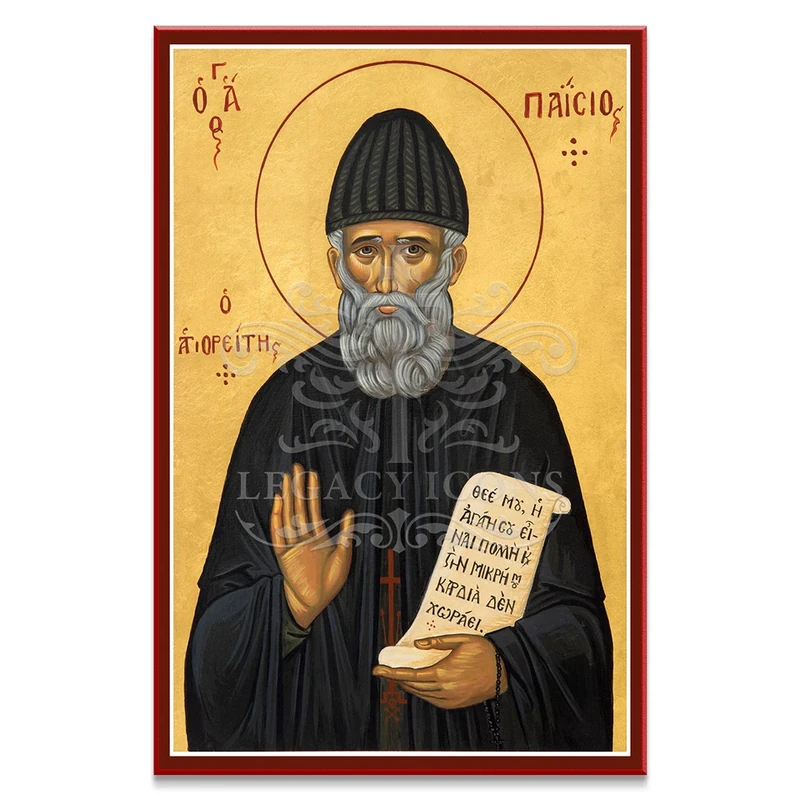
Paisios was born in Cappadocia in 1924 and grew up in Greece after his family’s displacement. He learned carpentry, served as a radio operator, and later entered monastic life on Mount Athos. Time at Sinai and years in Athonite cells deepened a life of prayer that also remained attentive to practical human needs. Many visitors sought his counsel about family difficulties, illness, and faith. He continued to receive people despite declining health and died in 1994. The Church remembers a spiritual elder whose disciplined life and personal warmth belonged to the same calling.
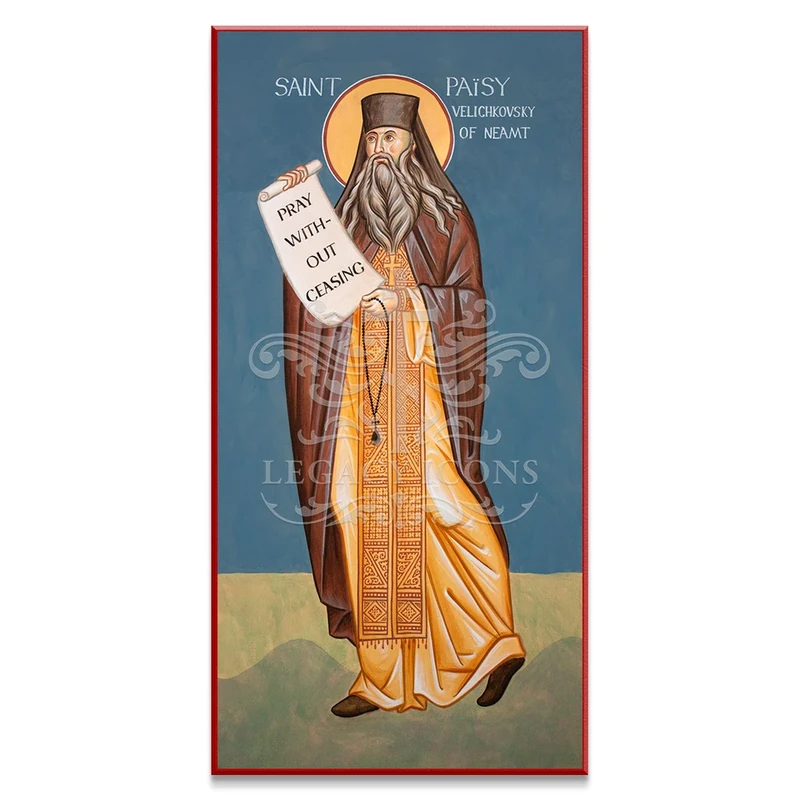
Paisius was born in Poltava and searched several monasteries for experienced spiritual guidance before reaching Mount Athos. There he began sharing prayer and study with companions rather than claiming authority immediately. Growing communities eventually required him to accept priesthood and responsibility for their care. He copied Greek patristic texts and carefully compared manuscripts while translating them into Slavonic. Later, in the Romanian lands, he continued this work and taught the prayer of the heart at Dragomirna, Secu, and Neamț. He died in 1794. His influence spread through books and disciples, joining disciplined scholarship to a communal life of prayer and mutual responsibility.
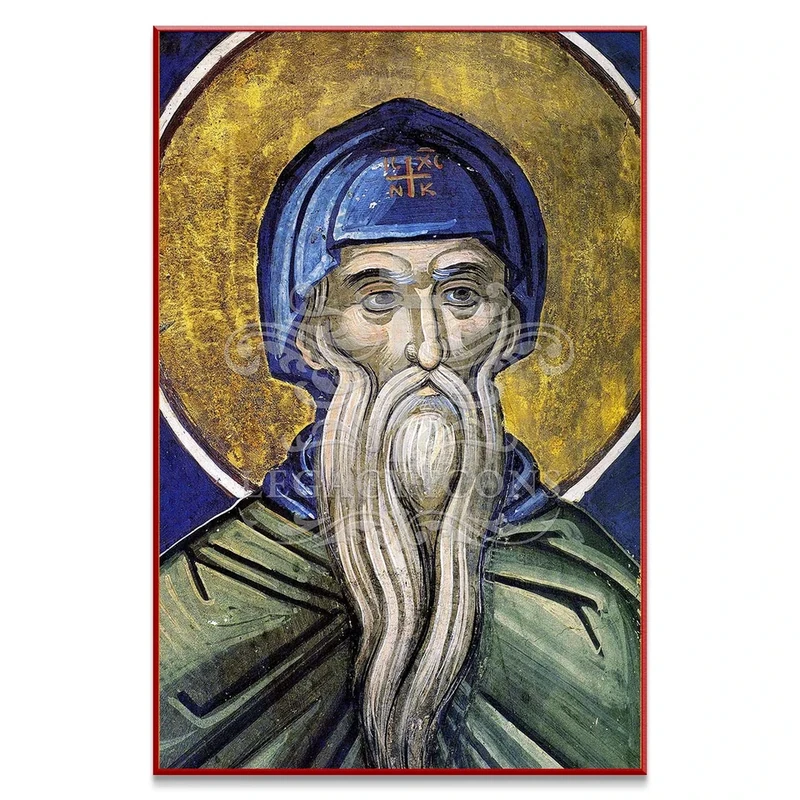
Paisius was born in Bansko into a family closely connected with Orthodox churches and monasteries. After experience at Rila monastery, he went to Hilandar on Mount Athos, where his brother was abbot. He became a monk and priest and devoted himself to Scripture and study. In 1762 he completed a history of the Slavo-Bulgarians that encouraged Christian faith and a renewed awareness of Bulgarian heritage. The exact circumstances of his death remain unknown. His commemoration remembers a scholar whose writing sought to strengthen a people’s memory, dignity, and responsibility for the faith they had received.
Paisius the Great entered Egyptian monastic life as a young man and received guidance from Pambo. Spiritual reading, prayer, and practical obedience formed his early years. Seeking greater solitude, he settled in the Nitrian wilderness, where other monks eventually gathered around him. The resulting community combined spiritual guidance with the ordinary necessities of desert life. Paisius was remembered for humility and for concealing his ascetic efforts rather than attracting praise. When asked about the highest virtue, he emphasized good works performed without public recognition. His life also includes prayers for people who had lost their way and desired to return to Christian faith.
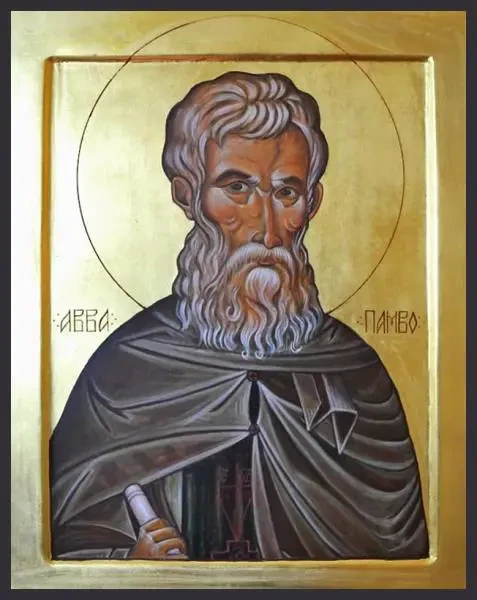
Pambo lived among the monks of the Nitrian desert and became known for careful speech and steady manual work. A verse from the Psalms about guarding the tongue shaped his conduct. When asked a question, he paused to consider and pray rather than answering immediately. He supported himself through his own labor and taught disciples by sharing that discipline. The source also remembers his lack of interest in public praise or displays of wealth. Near death, he spoke as someone who still needed to begin serving God. His life connects practical wisdom with humility and the restraint to leave an answer unspoken until it is ready.
The directory indexes the OCA full-year calendar, including leap-day commemorations, alongside additional researched profiles. Calendar entries include individual saints, groups, icons and feasts. An entry count is not a count of unique saints. Categories are provisional; follow the linked source.
Dates show commemorations in the referenced calendar year. Movable feasts change annually, and local calendars may differ. Additional jurisdictions, original biographies and icon research remain in progress. This collection does not yet claim complete Eastern Orthodox coverage.
Calendar metadata was retrieved through Orthocal’s source repository and the Orthodox Church in America. Source-only calendar records link to their original accounts; researched profiles include individually sourced artwork.
 Patron SaintTake the quiz