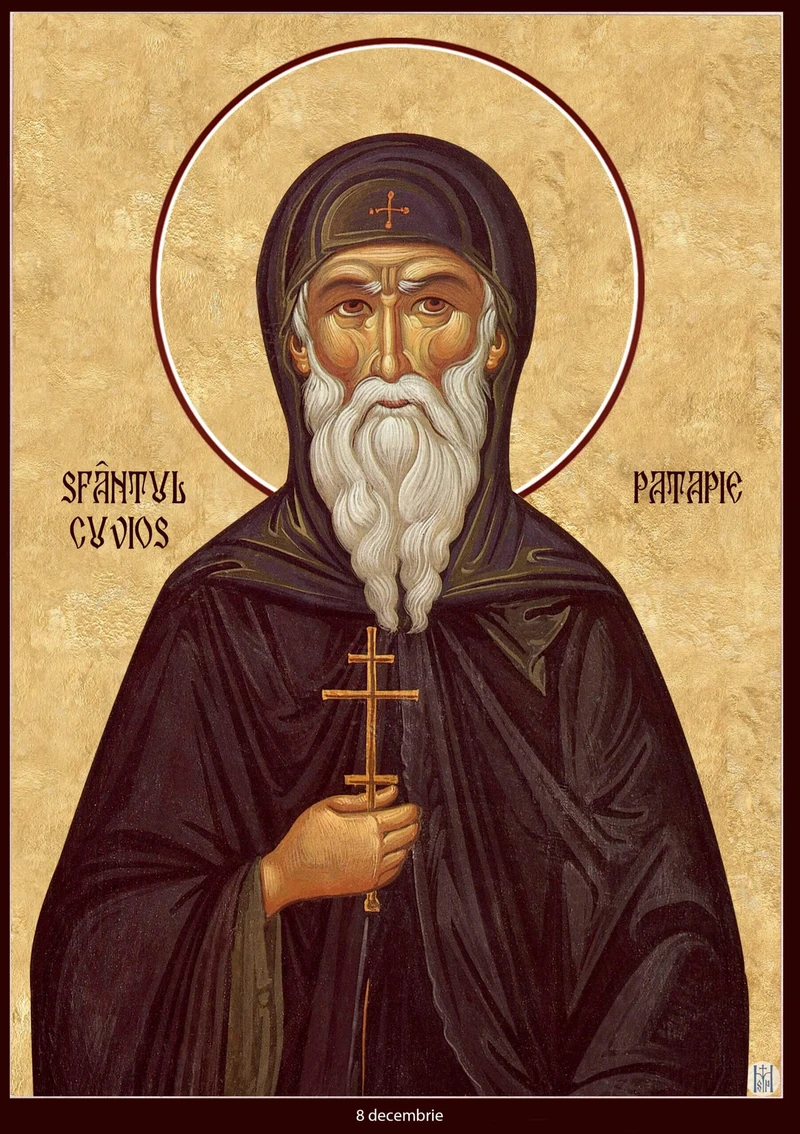
Paphnutius was born near Borovsk and entered the Protection Monastery as a young man. He served the community for many years as monk, priest, confessor, and abbot. After a serious illness, he withdrew with one companion to a new site near the Protva River. Other monks gathered there, and a monastery developed around a church dedicated to the Nativity of the Theotokos. Paphnutius shared demanding work, chopping wood and tending the garden while remaining attentive to worship. He also guided younger monks, including the future Joseph of Volokolamsk. His life presents spiritual leadership through sustained labor, practical example, and care for a growing community.
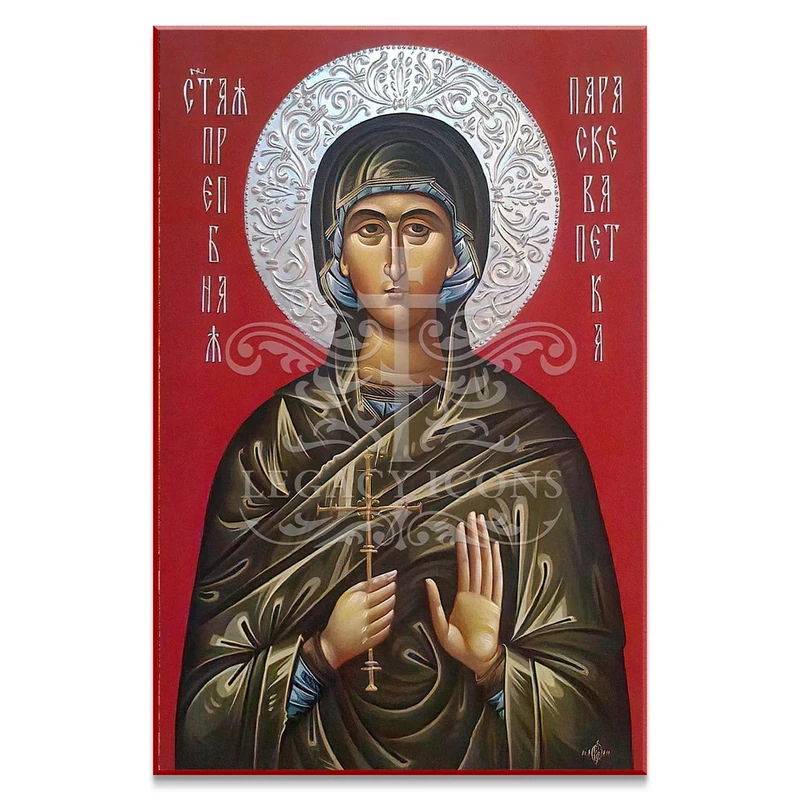
Paraskevi, also known as Petka, was born into a devout family at Epivates. Hearing the Gospel’s call to follow Christ moved her to give clothing to people in need. After her parents died, she entered monastic life and spent years in the region of the Jordan. The traditional account describes her eventual return to her homeland, where she died quietly. Later recognition of her holiness led to the honoring and repeated translation of her relics through several Balkan centers. Her commemoration connects an attentive response to Scripture with generosity, prayer, and a legacy shared across national boundaries.
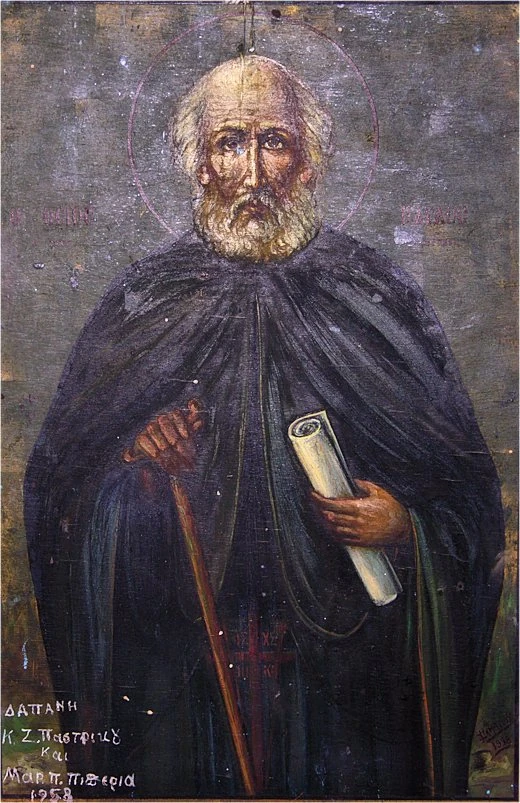
Patapius came from a Christian family in Thebes and withdrew into the Egyptian desert as a young adult. Although he sought silence, travelers began visiting him for spiritual guidance. The received life remembers him giving tired pilgrims rest and hospitality alongside counsel. He later moved to Constantinople, living near the Blachernae church, but again people sought him out. The OCA account associates his ministry with help for those suffering illness and records his burial in a church dedicated to John the Baptist. His memory joins solitude with a welcome that made room for another person’s exhaustion.
Paul received an education in a Phrygian monastery and later entered monastic life on Mount Latros near Miletus. He spent periods in solitude, but his reputation also brought requests for counsel from Emperor Constantine VII. On Samos, he founded a monastery and restored three damaged communities. The OCA places his death in 955. His commemoration remembers a solitary monk whose responsibilities extended to guidance and the recovery of places of communal worship. The source's predictions and extraordinary gifts are part of its devotional account rather than independent evidence for personal scores.
Paul of Thebes is honored as an early desert hermit whose life was written by Jerome. The received account describes an orphaned young man fleeing danger during persecution and settling in the Egyptian wilderness. Prayer became the center of his solitary life. Its best-known episode brings Anthony the Great to visit him, and the two elders converse before Paul's death. Anthony then cares for his burial and preserves his simple garment as a remembrance. The Church's commemoration emphasizes hidden prayer rather than the founding of a large community. Paul must be distinguished from Paul the Simple, another Egyptian monk with a different life.
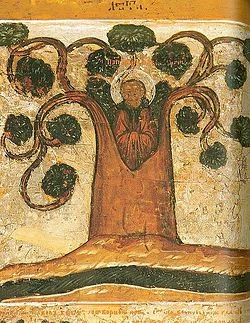
Paul of Obnora was a disciple of Sergius of Radonezh. After traveling among monasteries and hermitages, he settled near the Nurma River on the advice of Sergius of Nurma. In 1414 he received Metropolitan Photius’s blessing to establish a monastery dedicated to the Holy Trinity. Later he entrusted its administration to a disciple and returned to a secluded cell in the forest. His monastery preserved his memory, and he was canonized in 1547.
The directory indexes the OCA full-year calendar, including leap-day commemorations, alongside additional researched profiles. Calendar entries include individual saints, groups, icons and feasts. An entry count is not a count of unique saints. Categories are provisional; follow the linked source.
Dates show commemorations in the referenced calendar year. Movable feasts change annually, and local calendars may differ. Additional jurisdictions, original biographies and icon research remain in progress. This collection does not yet claim complete Eastern Orthodox coverage.
Calendar metadata was retrieved through Orthocal’s source repository and the Orthodox Church in America. Source-only calendar records link to their original accounts; researched profiles include individually sourced artwork.
 Patron SaintTake the quiz