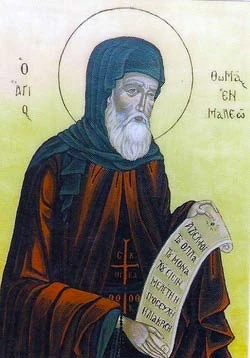
Thomas was a soldier before entering monastic life. He left his former occupation and withdrew into the wilderness at Maleon in southern Greece. His life remembers his prayer and the healings associated with him.
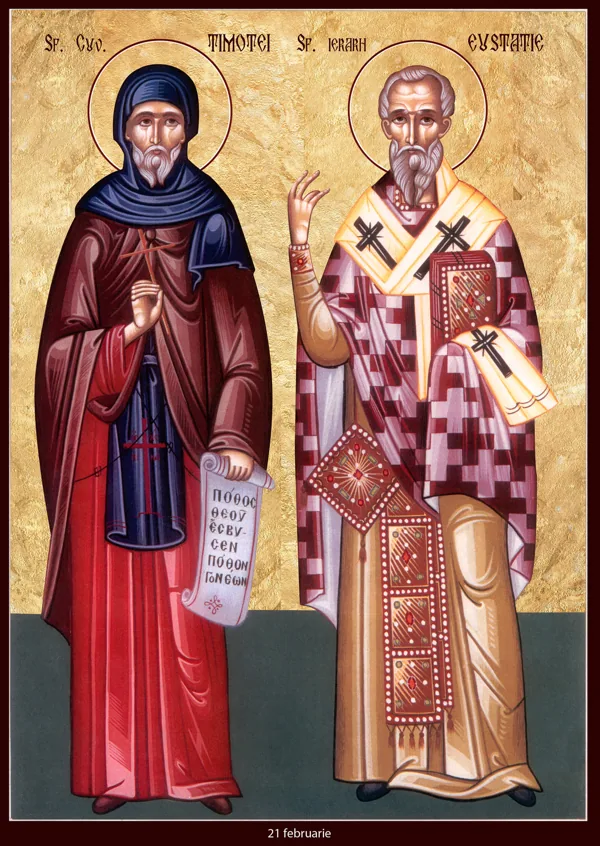
Timothy entered the monastery of Symbola near Mount Olympus in Asia Minor while young. He learned under Theoctistus and later lived in the mountains and wilderness. The calendar remembers his continued fasting, restraint and prayer through a long life of solitude.
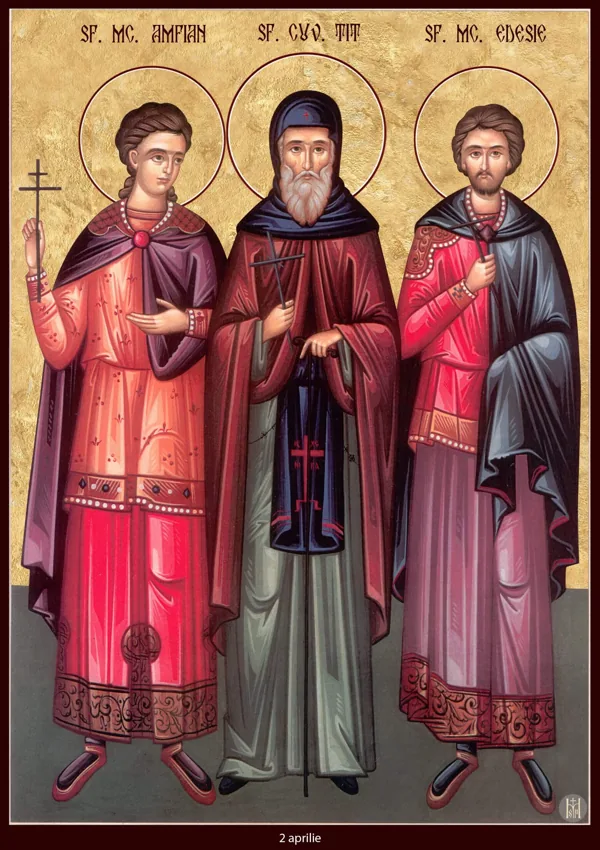
Titus entered a communal monastery while young and later became a priest. The calendar remembers his obedience and humility within the community during the ninth-century disputes over icons. It also remembers him as a wonderworker.
Tryphon came from a priestly family in the Novgorod region and traveled north to the Kola Peninsula. Before preaching, he learned the language and beliefs of the Sámi people among whom he lived and traded. Initial mistrust and hostility did not end his patient efforts. The OCA life remembers kind speech and gentleness as part of his missionary work. With ecclesiastical blessing he helped build a church and founded the Pechenga monastery in 1532. His long service ended in 1583. His commemoration connects the desire to share faith with the work of learning about another community.
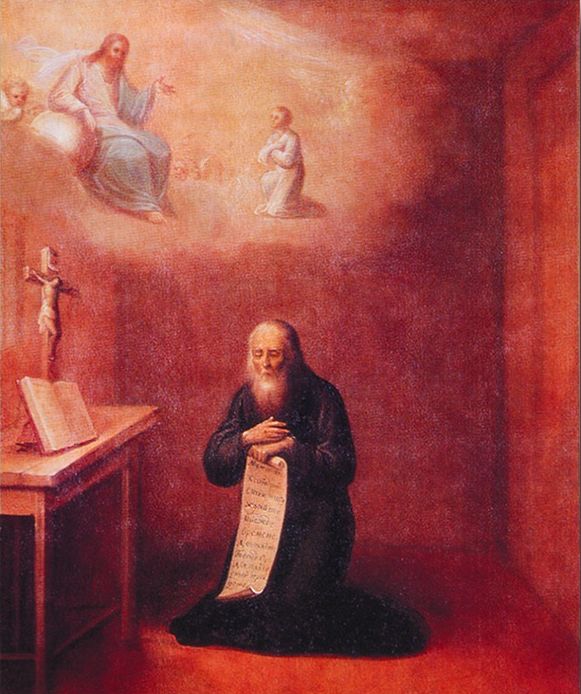
Vitalius was a monk from the community of Seridus who went to Alexandria and directed his work toward women earning money through prostitution. The received account describes him using his wages to provide a night free from customers while he prayed. Some women later entered monasteries, married, or found other work. Because observers misunderstood his visits, he endured insults and criticism. The patriarch John the Merciful resisted condemning him on rumor. After Vitalius died, the women explained his assistance. His commemoration remembers compassion toward people others judged harshly, while the narrative's secrecy and punitive episodes require careful pastoral interpretation.
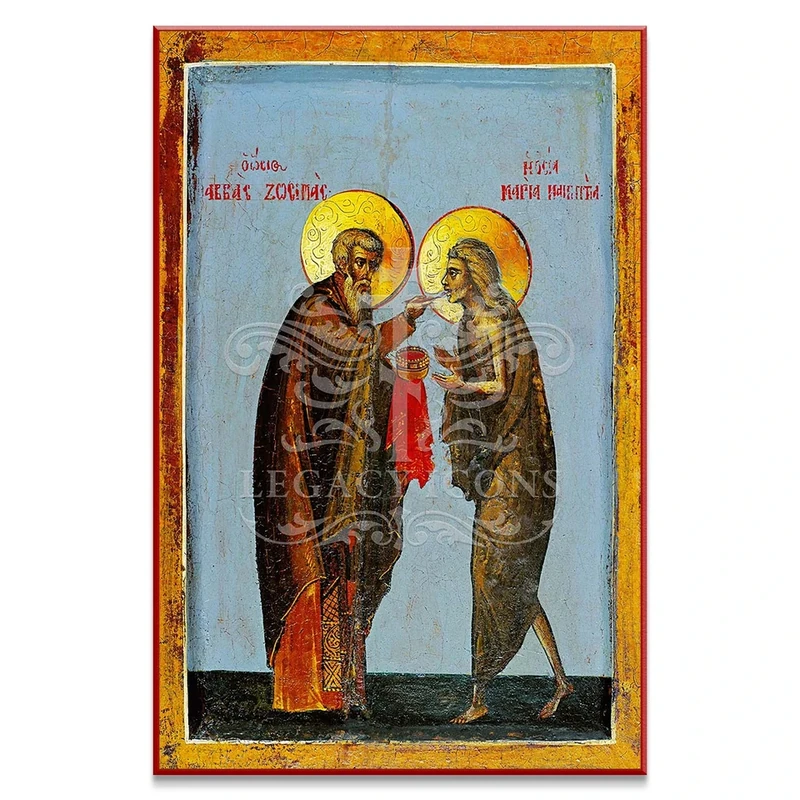
Zosimas was a Palestinian monk whose received life is closely connected with Mary of Egypt. Troubled by the thought that he had reached spiritual perfection, he moved to a monastery near the Jordan and sought further instruction. During Lent he encountered Mary in the wilderness, listened to her story, and recognized the limits of his own experience. At her request, he returned with Holy Communion. When he later found that she had died, he prayed the funeral office and cared for her burial. He then related her life to his community. His commemoration remembers a priest who learned humility through listening and fulfilled concrete acts of pastoral care.
The directory indexes the OCA full-year calendar, including leap-day commemorations, alongside additional researched profiles. Calendar entries include individual saints, groups, icons and feasts. An entry count is not a count of unique saints. Categories are provisional; follow the linked source.
Dates show commemorations in the referenced calendar year. Movable feasts change annually, and local calendars may differ. Additional jurisdictions, original biographies and icon research remain in progress. This collection does not yet claim complete Eastern Orthodox coverage.
Calendar metadata was retrieved through Orthocal’s source repository and the Orthodox Church in America. Source-only calendar records link to their original accounts; researched profiles include individually sourced artwork.
 Patron SaintTake the quiz