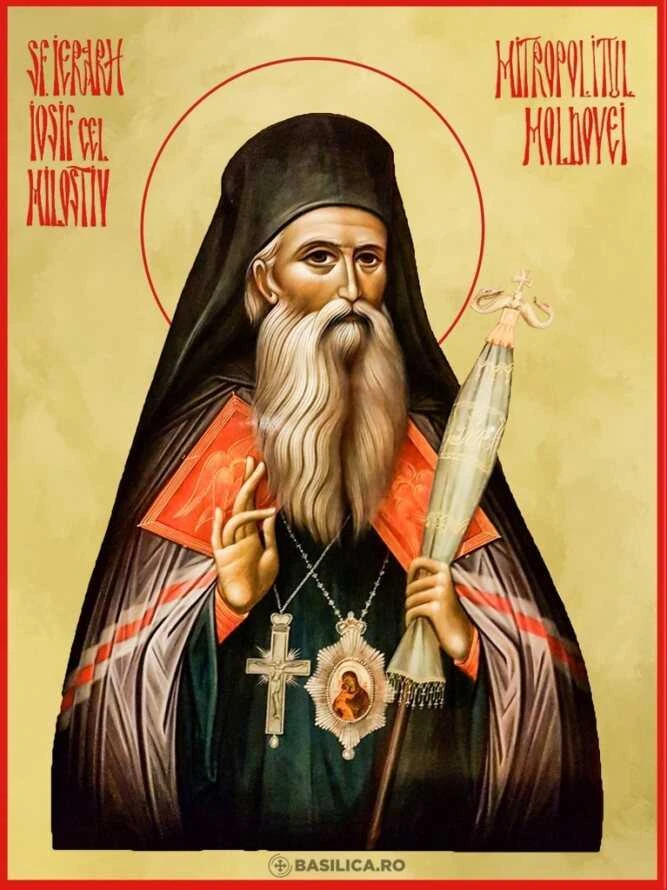
Joseph Naniescu, remembered as Joseph the Merciful, became Metropolitan of Moldavia in 1875. His responsibilities included completing Iași’s Metropolitan Cathedral and restoring older churches. He also relocated the Socola seminary. The cathedral’s account places particular emphasis on his personal almsgiving: poor people, orphans, widows, and students received money, clothing, and gifts that had been given to him. When weakness prevented him from going downstairs, he continued distributing help from his balcony. Joseph also composed church chants. He died in 1902; the Romanian Church formally recognized his sainthood in 2017.
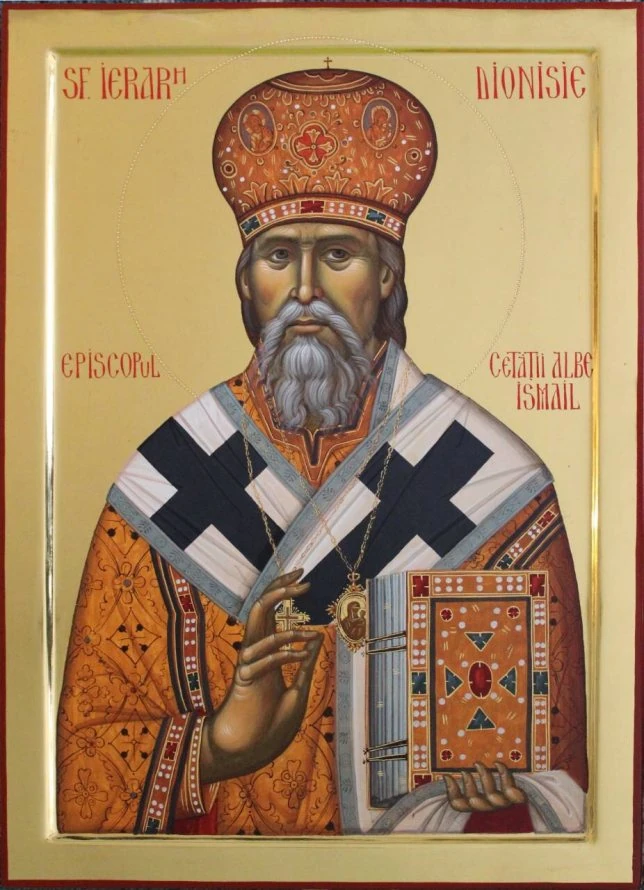
Dionisie Erhan entered Suruceni Monastery as a teenager and later became its abbot and a bishop. Largely self-educated, he taught the monks to read and write Romanian and explained Christian teaching in language villagers could understand. In Ismail he founded a diocesan orphanage. His educational work included a church-painting school and library at Borisăuca and support for a school at Giurgiulești. He also supported repairs to churches. After displacement during the Second World War, Dionisie returned to Suruceni. He died in 1943. The Romanian Synod recognized him as a saint in 2018.
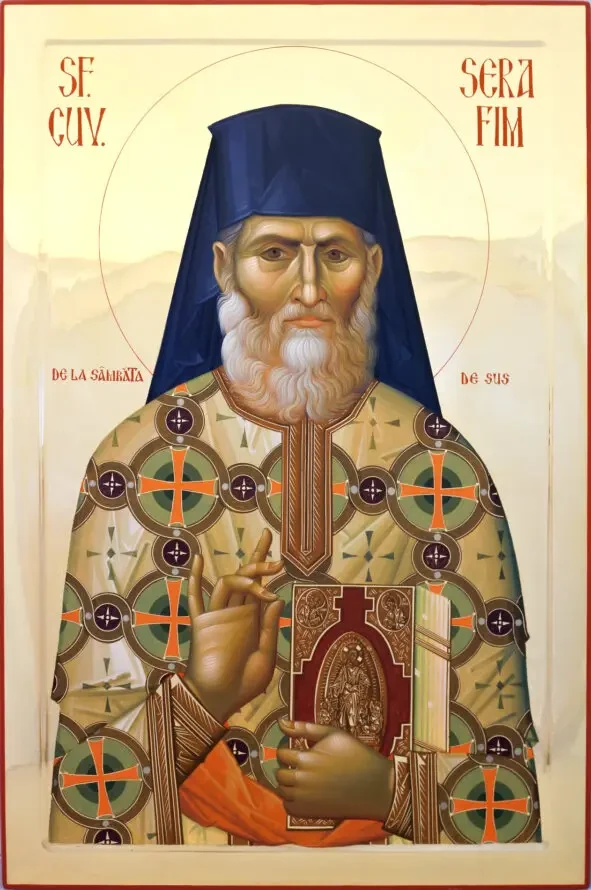
Serafim Popescu studied theology in Sibiu before spending time on Mount Athos and studying Greek in Athens. He translated selections from the Church Fathers, including Basil the Great and John Chrysostom. Back in Romania, he worked with Arsenie Boca on rebuilding the monastery at Sâmbăta de Sus. Serafim became abbot in 1944 and held that responsibility for ten years. His later ministry continued through confession and spiritual guidance. The official Romanian life remembers a long commitment to the monastery and the people who sought his counsel. He died in 1990.
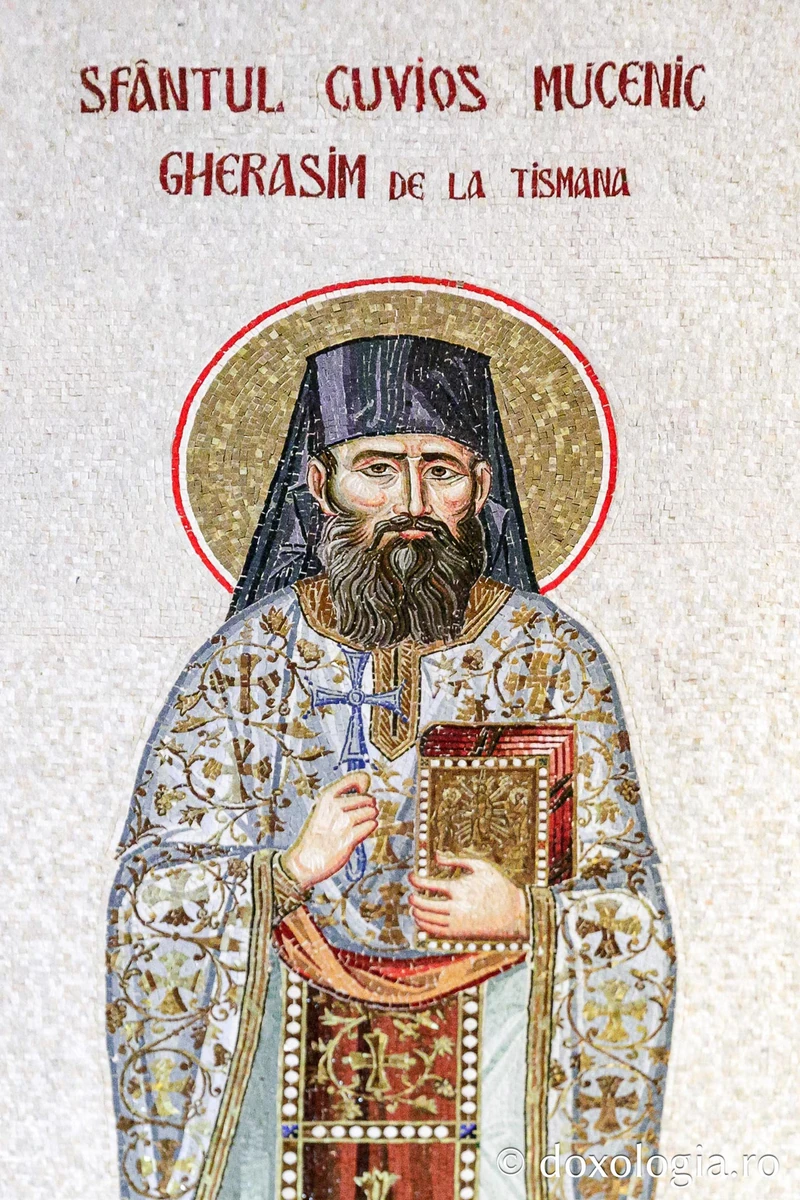
Gherasim Iscu entered a monastery as a boy and received theological education before becoming abbot of Tismana. His leadership followed a period of severe disruption at the monastery, including a major fire. Arrested in 1948, he passed through several communist prisons and a forced-labor camp. Illness eventually brought him to the prison sanatorium at Târgu Ocna, where he died in 1951. An official diocesan account of his first local feast recalls his forgiveness of the man who had tortured him. The Church commemorates Gherasim on December 26.
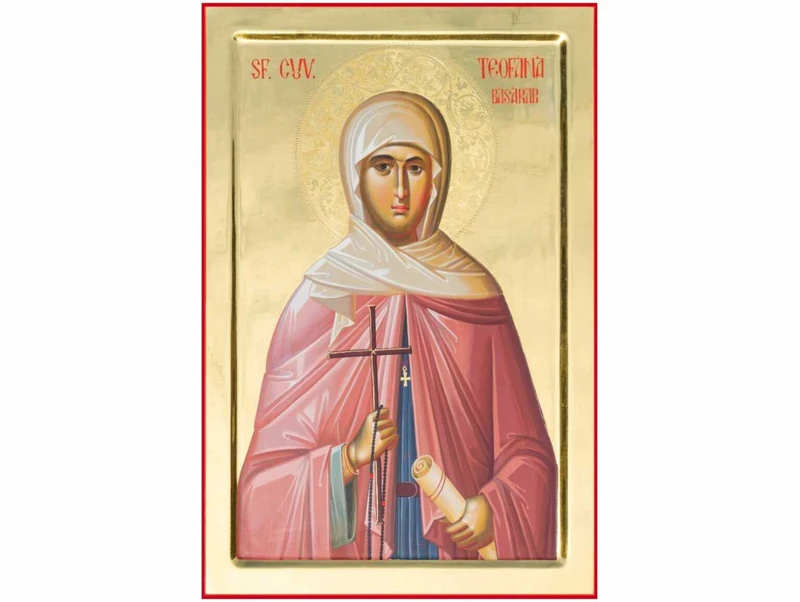
Theophano Basarab was born Theodora into the ruling family of Wallachia in the early fourteenth century. Through marriage to Ivan Alexander, she became tsarina of Bulgaria and raised four children. The Romanian Church's canonization account describes her participation in founding and restoring churches and monasteries, as well as support for copying books used in worship. After the marriage ended, she entered monastic life in Bulgaria. Tradition associates her later years and burial with Albotina Monastery. Her precise death date is unknown. The Romanian Synod recognized her sainthood in 2022.
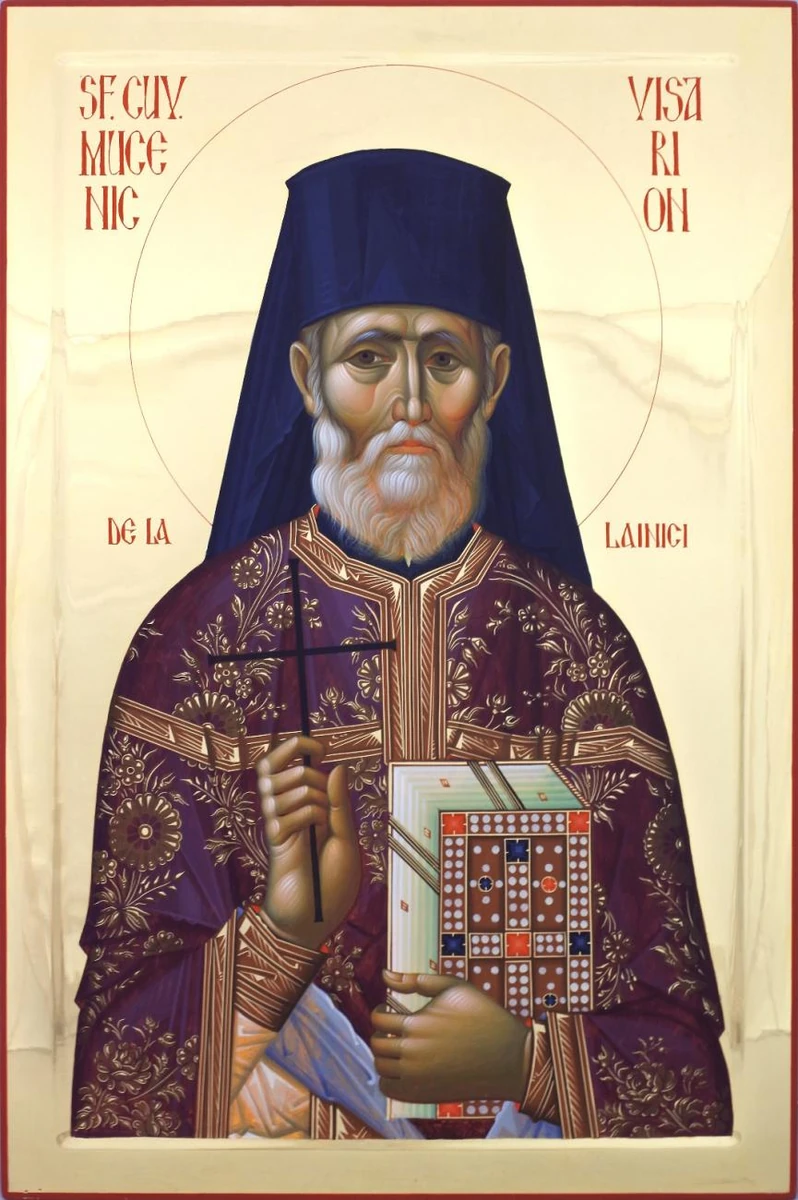
Visarion, born Gheorghe Toia, first trained as a church singer and entered monastic life at Frăsinei. Appointed abbot of Lainici in 1929, he faced the task of rebuilding a community and monastery damaged by war. He established a common prayer rule, taught church singing, and helped organize a hospital for workers in the Jiu Valley. The official life describes his effort to calm an abusive officer with humane words before suffering a violent assault. His injuries required amputation, and he died in 1951. The Romanian Church remembers him as a monastic martyr.
The directory indexes the OCA full-year calendar, including leap-day commemorations, alongside additional researched profiles. Calendar entries include individual saints, groups, icons and feasts. An entry count is not a count of unique saints. Categories are provisional; follow the linked source.
Dates show commemorations in the referenced calendar year. Movable feasts change annually, and local calendars may differ. Additional jurisdictions, original biographies and icon research remain in progress. This collection does not yet claim complete Eastern Orthodox coverage.
Calendar metadata was retrieved through Orthocal’s source repository and the Orthodox Church in America. Source-only calendar records link to their original accounts; researched profiles include individually sourced artwork.
 Patron SaintTake the quiz