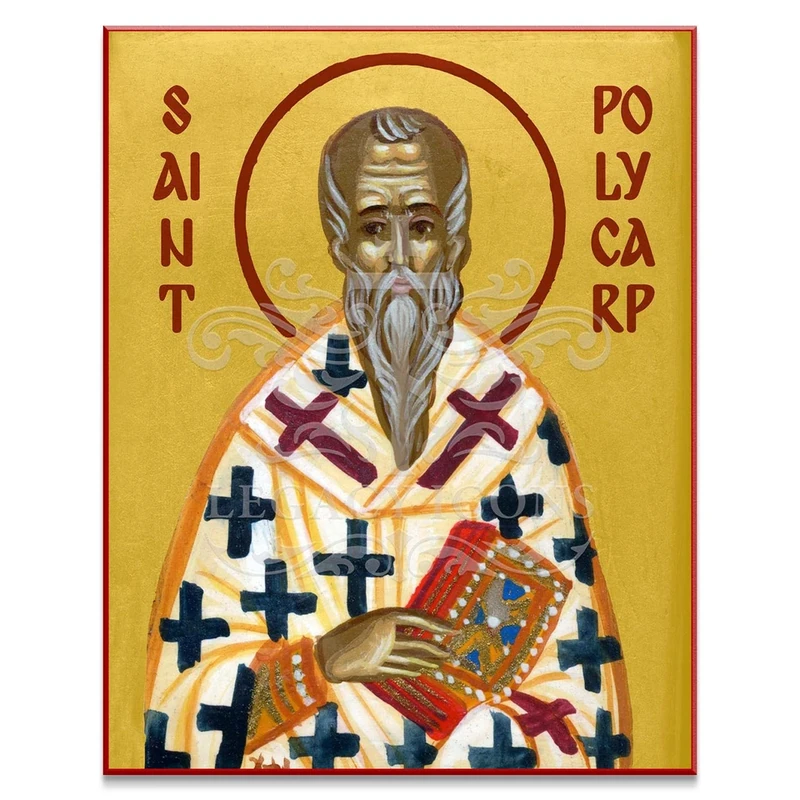
Polycarp is remembered as Bishop of Smyrna and a link between the apostolic generation and later Christian teachers. The Church’s account describes his closeness to John, his care for sick people, and his faithful leadership of the local community. When soldiers came to arrest him, he welcomed them with food and asked for time to pray. He refused to deny Christ and died as a martyr. His witness was preserved by the Church of Smyrna. Polycarp’s life brings together steadfast confession and ordinary kindness, even toward people who arrived as enemies.
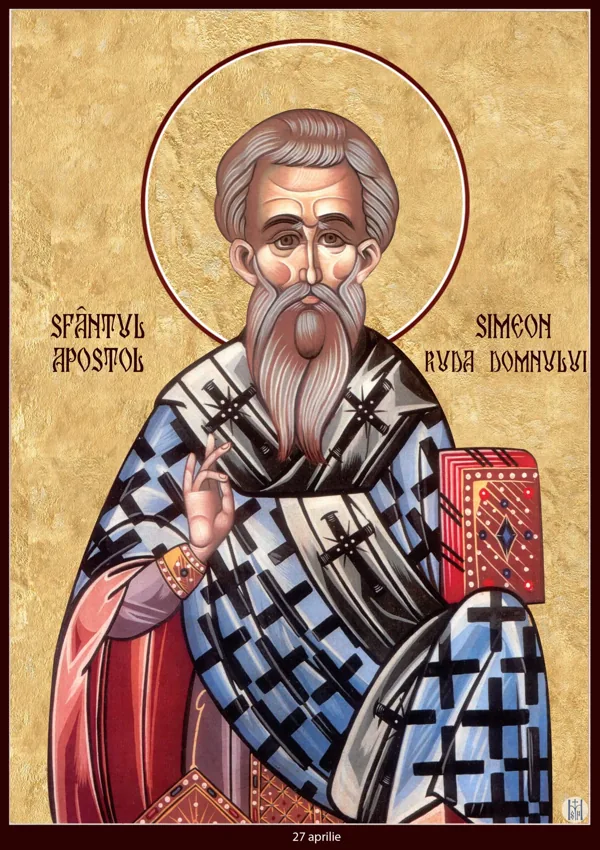
Simeon succeeded James as bishop of Jerusalem. The calendar remembers his leadership during upheaval and the movement of Christians to Pella. He endured persecution and was eventually crucified during Trajan’s reign.
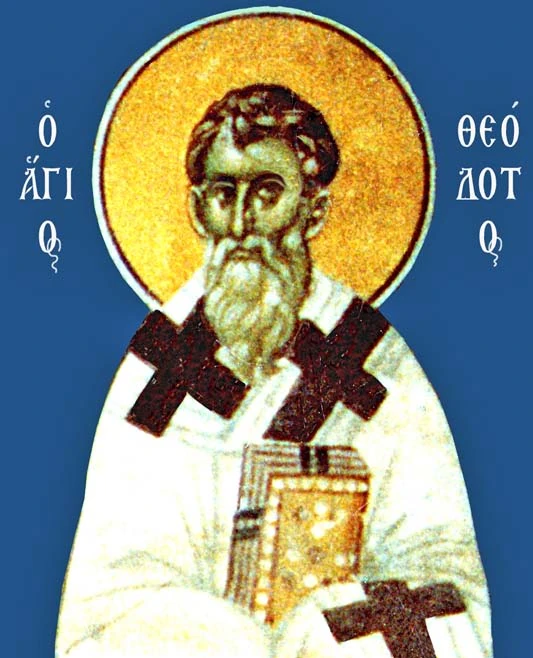
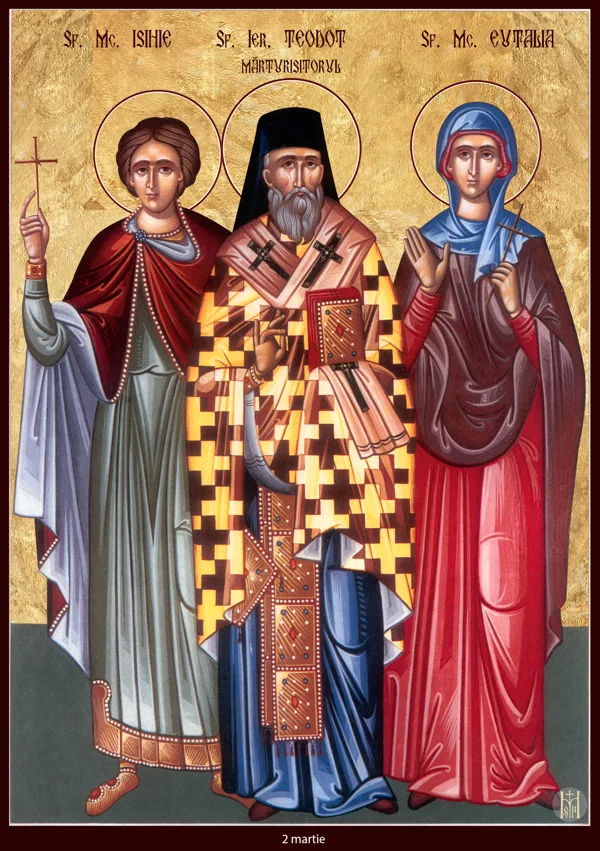
Theodotus is remembered as a martyr of Ancyra in Galatia. The Romanian account says that he buried the remains of seven Christian women and was condemned to death during persecution. It connects his June 7 remembrance with the martyrs commemorated on May 18. June 7 calendars honor him as a bishop, while the May 18 notices name him among the martyrs. The historical relationship between these commemorations remains uncertain.
Theodotus preached in Cyprus and became bishop of Kyrenia. He endured imprisonment and torture during persecution and survived to return to his community. The calendar remembers his peaceful death after that return.
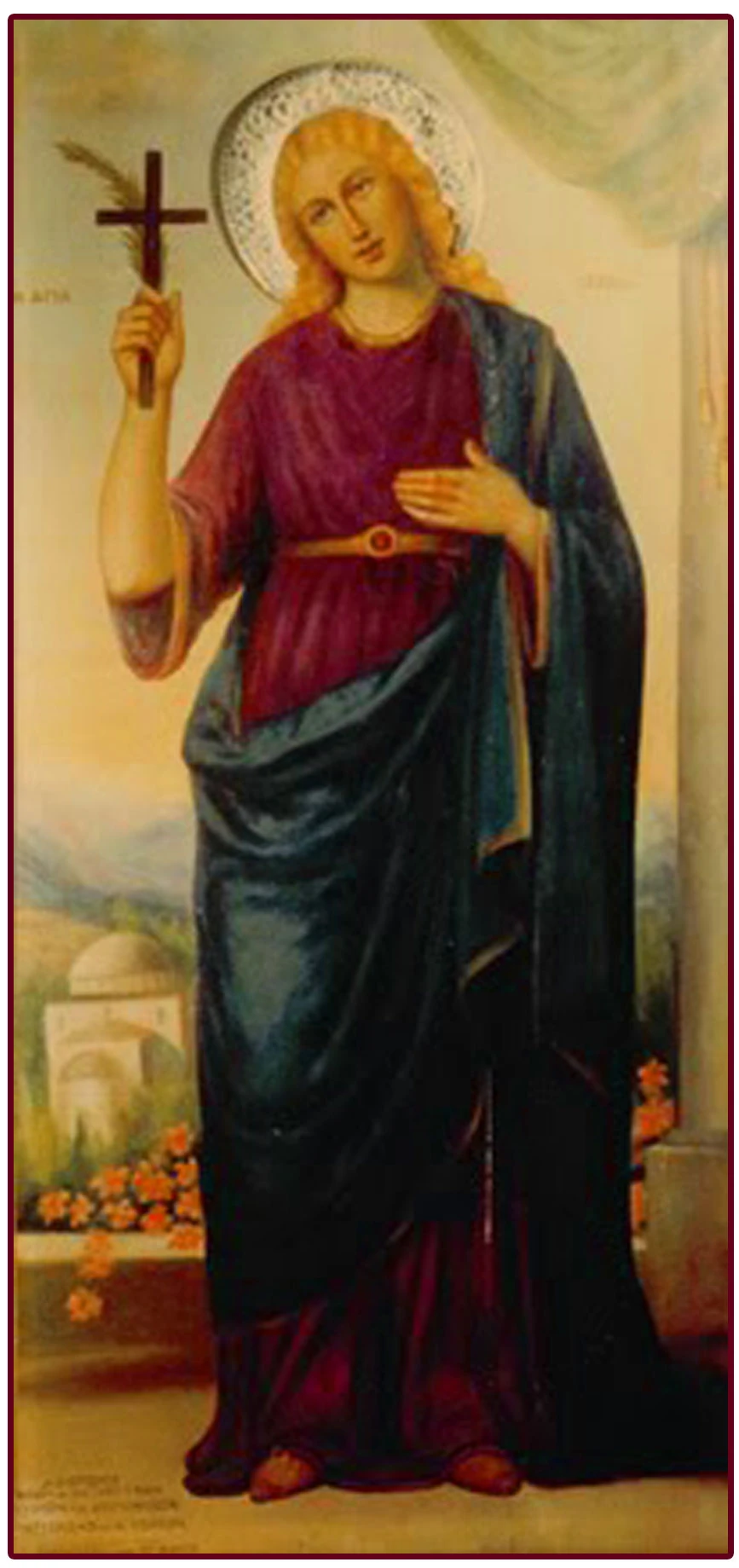
Xenia of Kalamata is honored in Orthodox tradition as a Christian woman who refused a ruler's attempt to compel her into marriage and abandon her faith. The OCA's narrative places her in a farming household in the Peloponnese and describes prayer, generosity to hungry people, and care for widows and orphans before her arrest. She remained steadfast under threats and was ultimately killed. Her modern veneration grew after a priest reported an appearance asking for an icon. The source acknowledges difficulty finding early references. Her commemoration therefore belongs to a received devotional tradition whose detailed historical narrative requires particular caution.
The directory indexes the OCA full-year calendar, including leap-day commemorations, alongside additional researched profiles. Calendar entries include individual saints, groups, icons and feasts. An entry count is not a count of unique saints. Categories are provisional; follow the linked Orthodox source.
Dates show commemorations in the referenced calendar year. Movable feasts change annually, and local calendars may differ. Additional jurisdictions, original biographies and icon research remain in progress. This collection does not yet claim complete Eastern Orthodox coverage.
Calendar metadata was retrieved through Orthocal’s source repository and the Orthodox Church in America. Source-only calendar records link to their original accounts; researched profiles include individually sourced artwork.
 Patron SaintTake the quiz