Irene is remembered with her sisters Agape and Chionia. Their shared Orthodox life places the sisters near Aquileia and records that they were orphaned while young. During the persecution under Diocletian, they refused orders to renounce Christ. The Church commemorates the three sisters as martyrs on April 16. The surviving account tells their story together; it does not provide a separate account of each sister’s daily work or personal character.
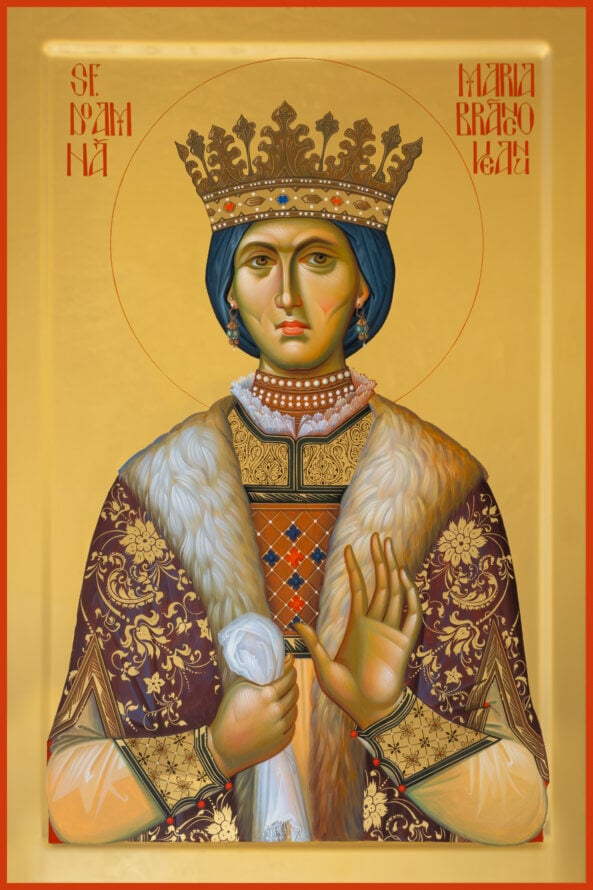
Maria was the wife of Constantin Brâncoveanu and the mother of eleven children. The official life remembers her provision for sick people, orphans and people in poverty, as well as her support for churches and monasteries. After the execution of her husband and four sons in 1714, she endured imprisonment and exile. She later returned to Wallachia and helped preserve her family’s memory. She died in 1729.
Philothea was known as Floarea before entering monastic life. She and her husband Antonie raised four sons in Bucharest; one became Callinicus of Cernica. The official account remembers her teaching her children love for God, church and prayer. After widowhood she entered Pasărea with her son’s guidance and received the Great Schema. She died in 1833. Her fixed feast is April 12, although the reviewed 2026 calendar transferred her service to Easter Monday.
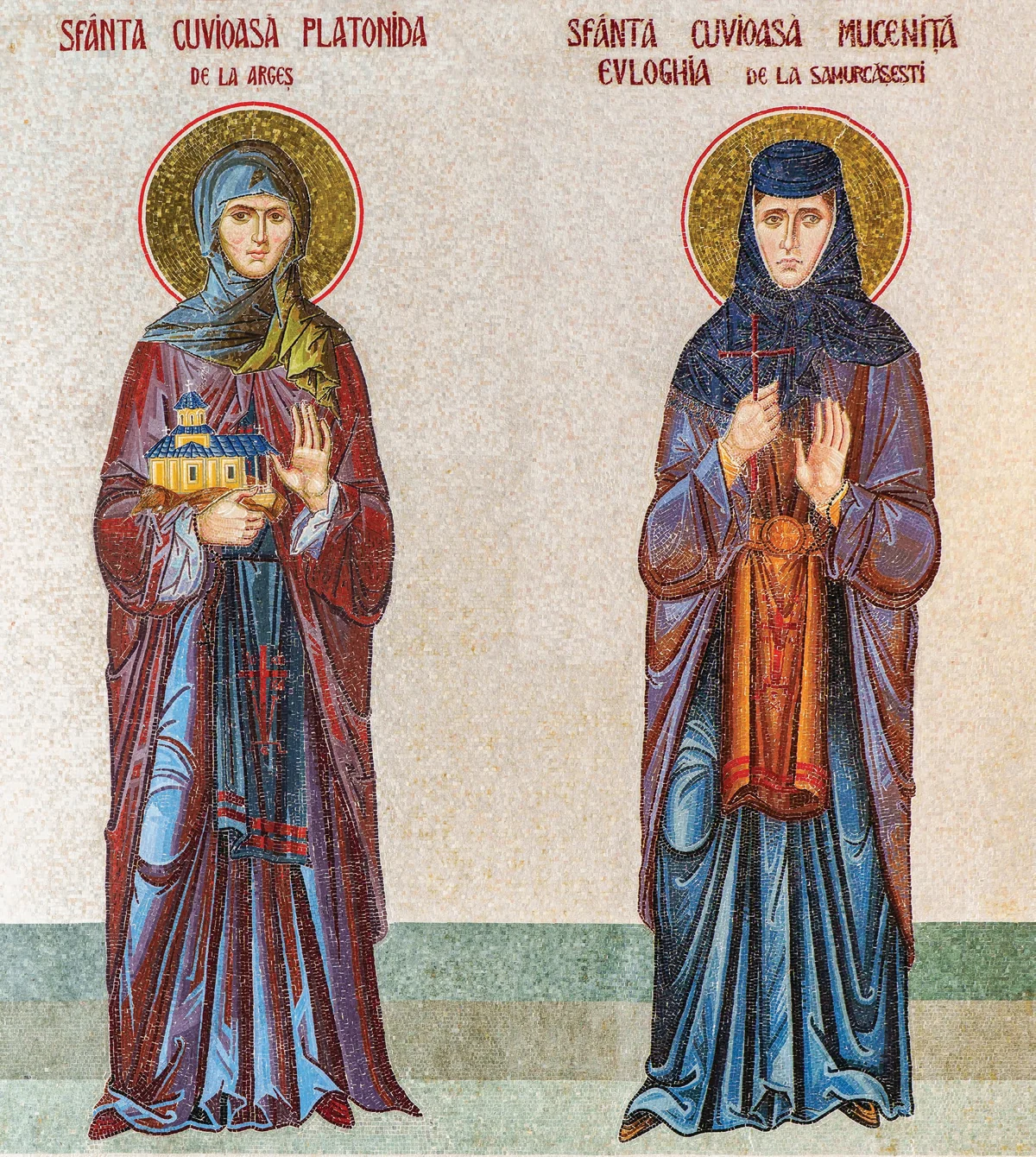
Eulogia was born Ecaterina in northern Greece and later lived in Romania. She carried out missionary work in villages before and after entering Samurcășești Monastery. The official life remembers visits to sick people, protection of orphans, and collections she organized for rebuilding after the 1940 earthquake. She also ensured that other nuns had firewood. She died in 1949 following a violent assault during her missionary work. The Church honors her as a nun-martyr.
Platonida was known as Despina Milița and was the wife of Neagoe Basarab. Her official life remembers support for religious foundations, care for orphans, visits to sick people and food given to hungry people. After her husband’s death and further family losses, she entered monastic life. The account describes prayer, work and encouragement offered to other sisters. She died in 1554 and was buried at Curtea de Argeș.
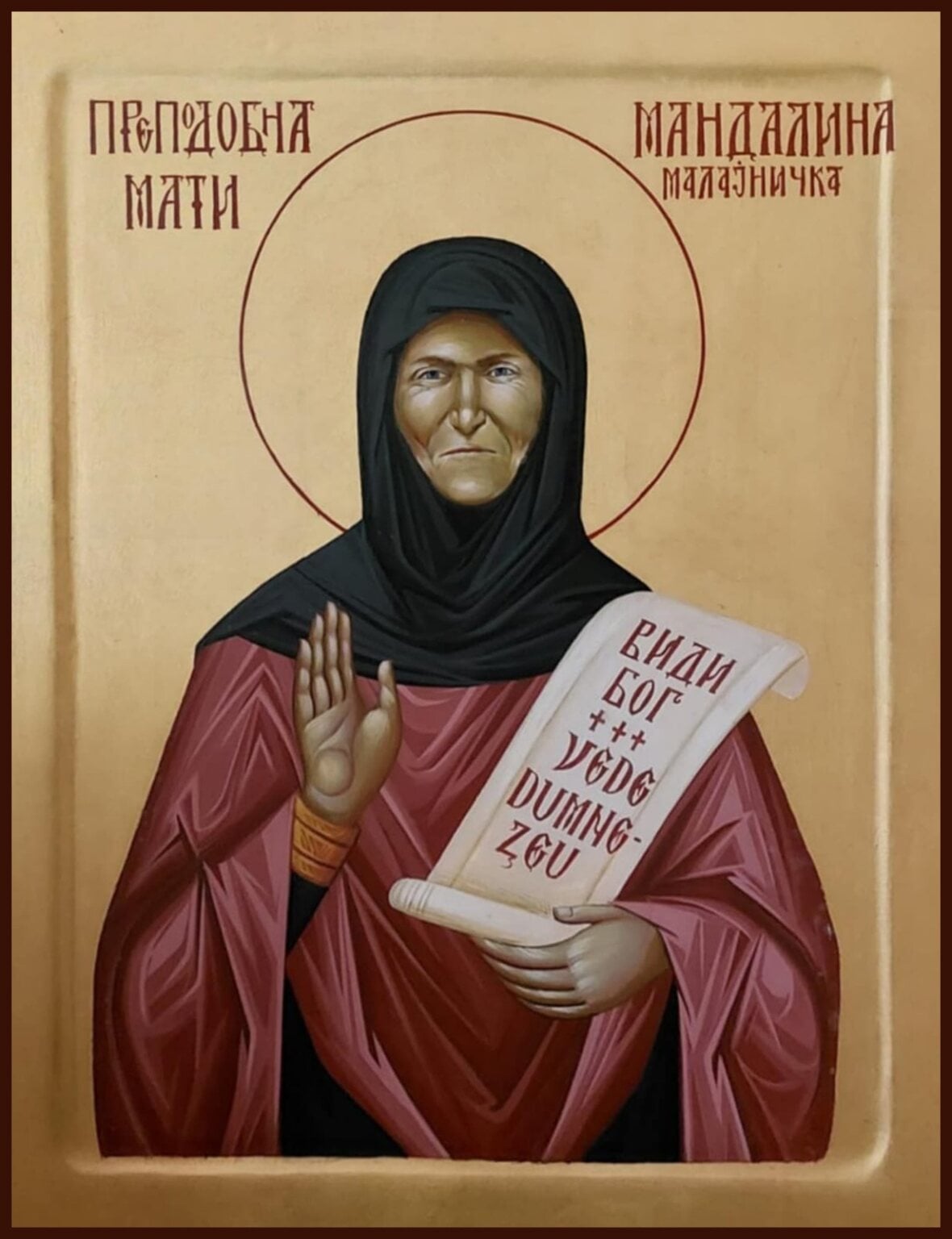
Magdalena was also called Măndălina. After being widowed during the First World War, she continued a lay life devoted to worship. The official account remembers her reading and singing at church when local clergy were absent, walking long distances to services, and explaining feasts and fasts to neighbors. She knew Romanian and Serbian. Her life of prayer and instruction is associated with Mălainița. She died in 1962.
The directory indexes the OCA full-year calendar, including leap-day commemorations, alongside additional researched profiles. Calendar entries include individual saints, groups, icons and feasts. An entry count is not a count of unique saints. Categories are provisional; follow the linked source.
Dates show commemorations in the referenced calendar year. Movable feasts change annually, and local calendars may differ. Additional jurisdictions, original biographies and icon research remain in progress. This collection does not yet claim complete Eastern Orthodox coverage.
Calendar metadata was retrieved through Orthocal’s source repository and the Orthodox Church in America. Source-only calendar records link to their original accounts; researched profiles include individually sourced artwork.
 Patron SaintTake the quiz