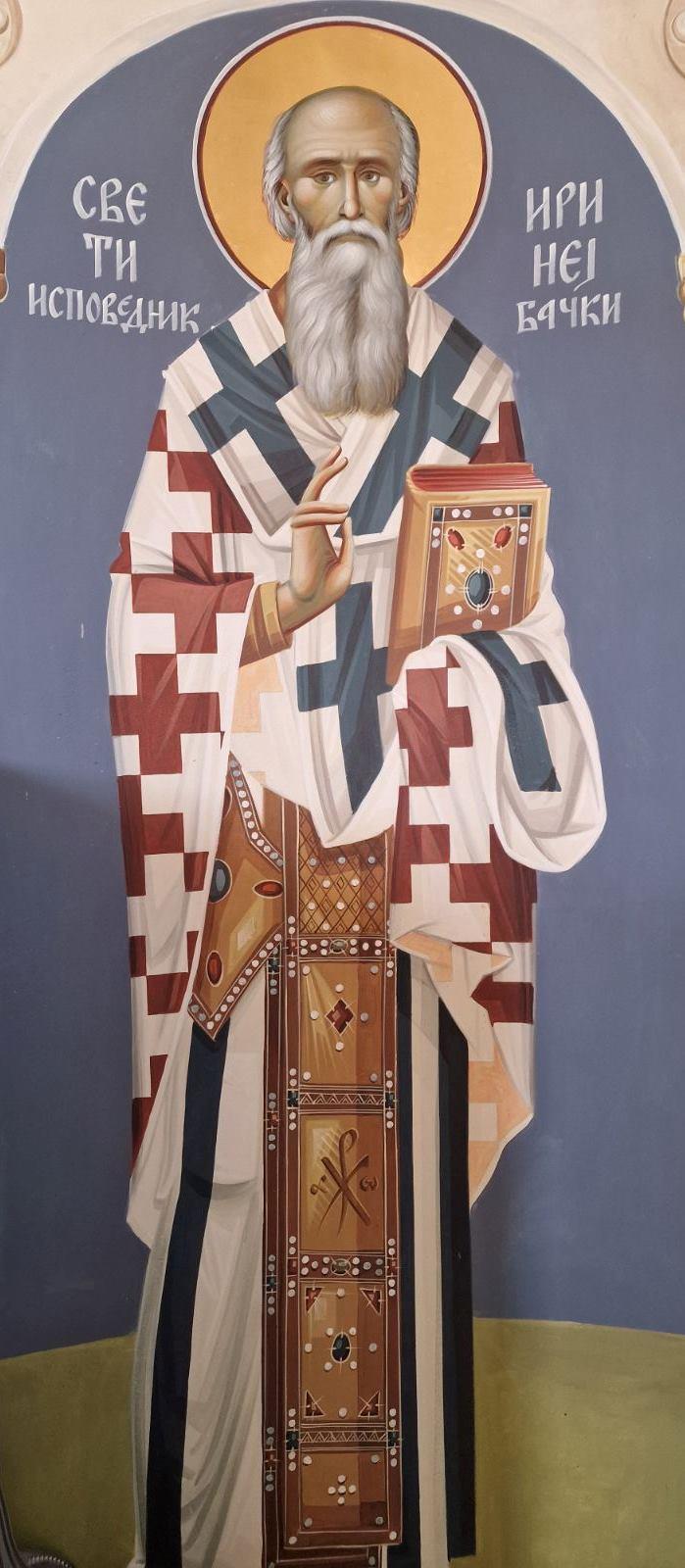
Irinej, baptized Ivan, was born in Sremski Karlovci and became a monk at Hopovo. He taught Old Testament studies and translated Hebrew texts before serving as bishop of Timok and later Bačka. His official life remembers the protection and placement of children released from wartime detention, including arrangements for medical care. After the war he suffered confinement and violent attacks. Illness limited his later ministry, but the account describes his continued prayer. He died in 1955 and is honored as a bishop and confessor.
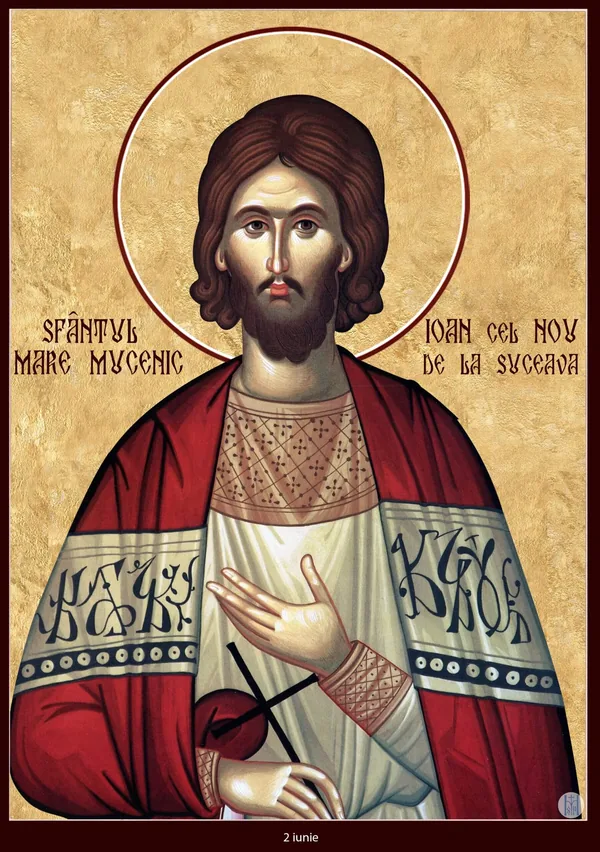
John was a merchant from Trebizond who travelled by sea. The Romanian Patriarchate account remembers him praying and caring for sick passengers during a voyage. After a false accusation at Cetatea Albă, he refused to deny his Christian faith and suffered martyrdom. His later veneration became closely associated with Suceava. His feast on June 2 remembers both practical compassion and steadfast confession.
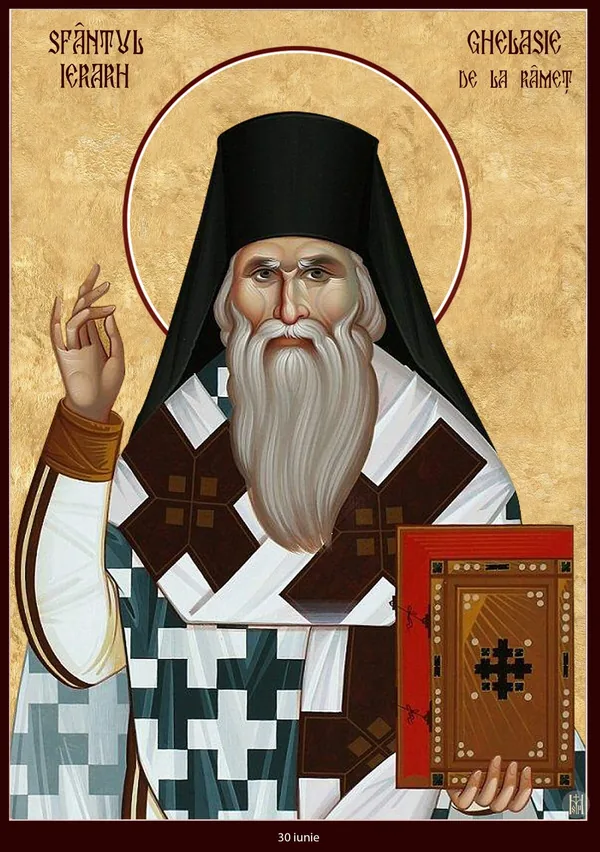
Ghelasie is remembered as a fourteenth-century monk and hierarch at Râmeț in Transylvania. The official calendar preserves local traditions of his prayer, work alongside disciples, and guidance for hermits and villagers. An inscription discovered at the monastery names Archbishop Ghelasie and the year 1376. The Romanian Church commemorates him on June 30.
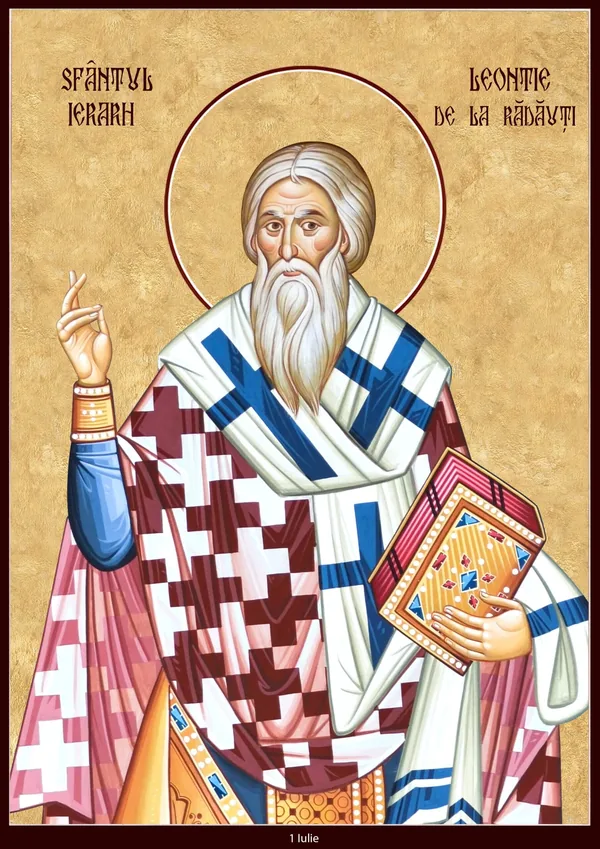
Leontie entered monastic life at Bogdana with the name Lavrentie. He later gathered disciples and founded the Laura hermitage in northern Moldavia. Called to serve as bishop of Rădăuți, he continued giving alms and offering counsel and comfort. In later life he returned to the hermitage and received the schema name Leontie. His commemoration on July 1 brings together monastic leadership and practical care.
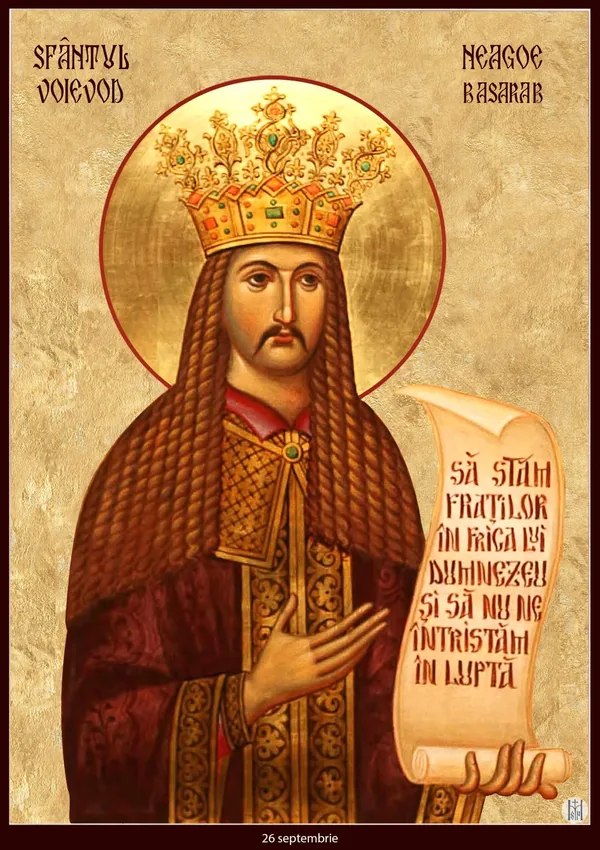
Neagoe Basarab ruled Wallachia in the early sixteenth century. The Romanian calendar remembers his spiritual formation under Niphon, his support for churches and monasteries, and the counsel he wrote for his son Theodosie. He helped repair and equip religious communities beyond his own territory and founded the monastery at Curtea de Argeș. His commemoration on September 26 recalls responsibility expressed through learning, building and material support.
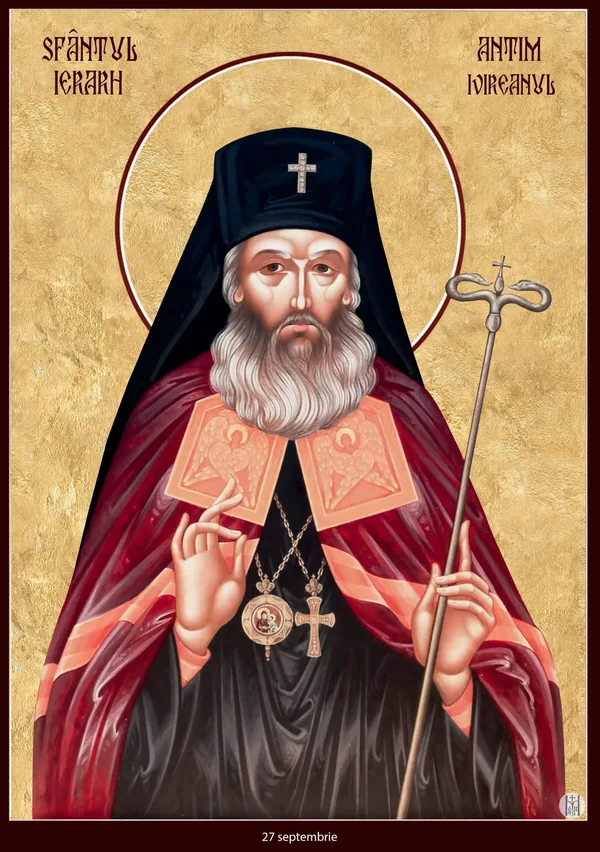
Antim was born in Georgia and later served the Church in the Romanian lands. The official calendar describes his work as a printer, teacher and metropolitan. He established a printing school at Snagov and produced worship and teaching books in languages people could understand, including Romanian. He also supported church repairs and founded the monastery in Bucharest that bears his name. His commemoration on September 27 remembers learning put into the service of worship and community.
The directory indexes the OCA full-year calendar, including leap-day commemorations, alongside additional researched profiles. Calendar entries include individual saints, groups, icons and feasts. An entry count is not a count of unique saints. Categories are provisional; follow the linked source.
Dates show commemorations in the referenced calendar year. Movable feasts change annually, and local calendars may differ. Additional jurisdictions, original biographies and icon research remain in progress. This collection does not yet claim complete Eastern Orthodox coverage.
Calendar metadata was retrieved through Orthocal’s source repository and the Orthodox Church in America. Source-only calendar records link to their original accounts; researched profiles include individually sourced artwork.
 Patron SaintTake the quiz