Onesimus was enslaved in Philemon’s household before meeting Paul in Rome and becoming a Christian. Paul’s letter asked Philemon to receive him as a brother, placing their relationship within a new claim of love and dignity. The OCA life remembers Onesimus serving Paul, continuing apostolic work, and eventually becoming a bishop. He is honored as a martyr for his confession of Christ. His story invites attention to the way the Gospel changes how people regard one another: a human being’s worth cannot be reduced to social position, past conflict, or usefulness.
Philip was one of the seven deacons appointed in Jerusalem to care for the needs of widows, orphans, and people in poverty. After persecution scattered believers, he preached in Samaria. The account in Acts also remembers his meeting with an Ethiopian official on the road to Gaza, where he explained the Scriptures and baptized the traveler. Orthodox tradition honors his later ministry as a bishop in Tralles. Philip’s witness connects practical care with teaching: serving immediate human needs and helping someone understand the Gospel belong together in the life of the Church.
Silas was a respected member of the Church in Jerusalem who helped communicate the council’s decision to believers in Antioch. He remained to assist Paul and traveled with him through several regions. In Philippi they were beaten and imprisoned, yet the account in Acts remembers them at prayer. The jailer and his household subsequently received baptism. The Church also remembers Silas as a bishop in Corinth. His witness joins careful communication with endurance: building a community can require explaining difficult decisions, sharing another person’s hardship, and continuing to pray when freedom is restricted.
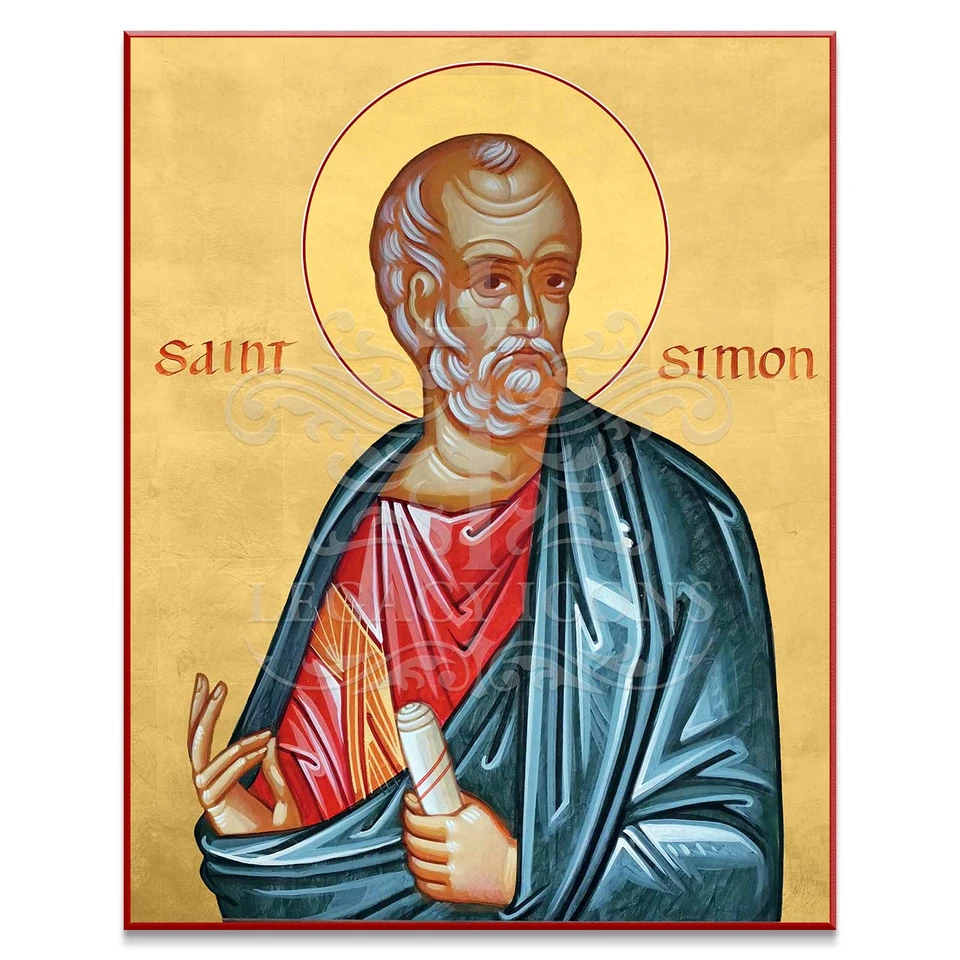
Simon the Zealot was one of the Twelve Apostles. Church tradition connects him with Cana and identifies him as the bridegroom at the wedding where Christ changed water into wine. The OCA life remembers his reception of the Holy Spirit at Pentecost, his preaching in distant lands, and his death as a martyr. Simon is distinguished from Peter and from the Lord’s relative who became Bishop of Jerusalem. His example directs zeal toward faithful discipleship: enthusiasm becomes fruitful when it is given to the Gospel and sustained through work, hardship, and perseverance.
Timothy grew up in Lystra, with the faith of his mother Eunice and grandmother Lois forming an important part of his story. He became Paul’s disciple, coworker, and trusted companion in preaching the Gospel. Paul’s letters remember his fidelity and encourage him to teach through both words and conduct. The Church honors Timothy as Bishop of Ephesus and remembers his death as a martyr. His example shows how guidance received in a family and from a spiritual teacher can mature into responsibility for others, carried with patience, loyalty, and practical care.
Titus is honored as a coworker of Paul and a bishop who cared for the Church in Crete. His traditional life describes an educated young man whose search for truth led him from classical learning to the Scriptures and faith in Christ. He accepted responsibilities in missionary work and helped establish Christian communities. The New Testament letter addressed to him concerns the practical life and leadership of the Church. Titus’s witness connects learning with dependable service: understanding is meant to shape a community’s conduct and help people grow in a faith lived together.
The directory indexes the OCA full-year calendar, including leap-day commemorations, alongside additional researched profiles. Calendar entries include individual saints, groups, icons and feasts. An entry count is not a count of unique saints. Categories are provisional; follow the linked Orthodox source.
Dates show commemorations in the referenced calendar year. Movable feasts change annually, and local calendars may differ. Additional jurisdictions, original biographies and icon research remain in progress. This collection does not yet claim complete Eastern Orthodox coverage.
Calendar metadata was retrieved through Orthocal’s source repository and the Orthodox Church in America. Source-only calendar records link to their original accounts; researched profiles include individually sourced artwork.
 Patron SaintTake the quiz