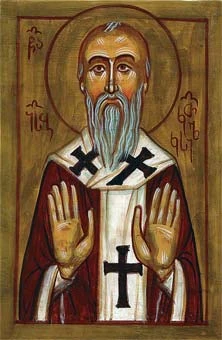
Joseph Jandierishvili served as a monk at Dodo’s monastery and later as bishop of Rustavi. He became Catholicos in 1755. The Georgian life remembers his private prayer and describes his resignation in 1764 for the peace of the Church. He retired to Akhmeta, cultivated a vineyard with his own hands and distributed most of its produce to poor people. He died in 1770.
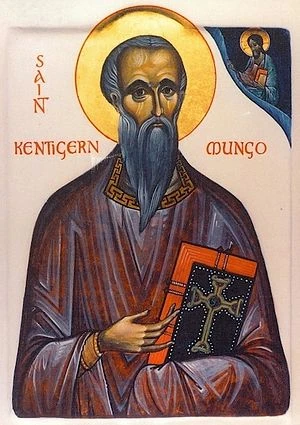
Kentigern, also called Mungo, is remembered as a missionary bishop of Strathclyde and a patron of Glasgow. His received life connects his childhood with Serf and describes his preaching and the building of churches and monasteries around the River Clyde. During exile he is said to have worked in Cumbria and Wales, establishing a community at Llanelwy before returning to Scotland. Glasgow later became the center of his ministry. Much of the surviving narrative comes from a life written centuries after his death, so its detailed journeys and miraculous episodes belong to the received tradition rather than a contemporary record.
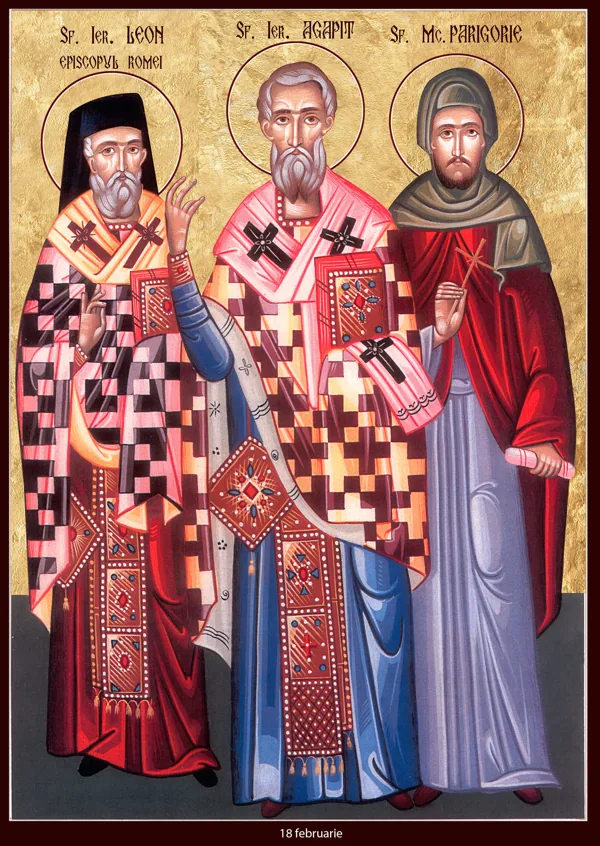
Leo succeeded Sixtus III as bishop of Rome. The calendar recalls his meetings with Attila and Genseric as efforts to protect the city and its people. His doctrinal letter to Flavian was read at the Council of Chalcedon. He also left sermons and letters concerning Christian faith and the life of the Church.
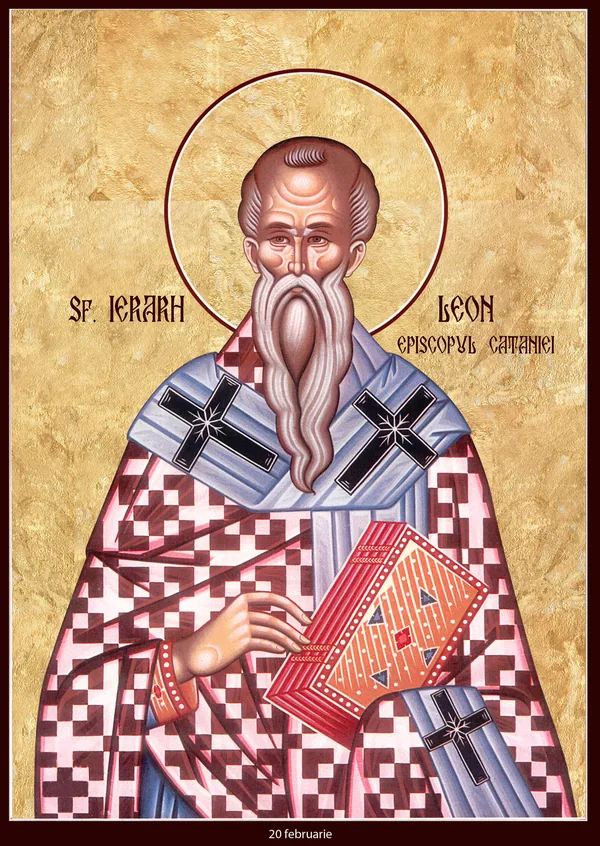
Leo came from Ravenna and received a Christian education before entering monastic life. He later became bishop of Catania in Sicily. During his ministry, he built a church dedicated to Saint Lucy and another place of worship honouring the Forty Martyrs. The calendar also preserves miracle traditions about his life. His building work offers a concrete example of care for the community’s worship.
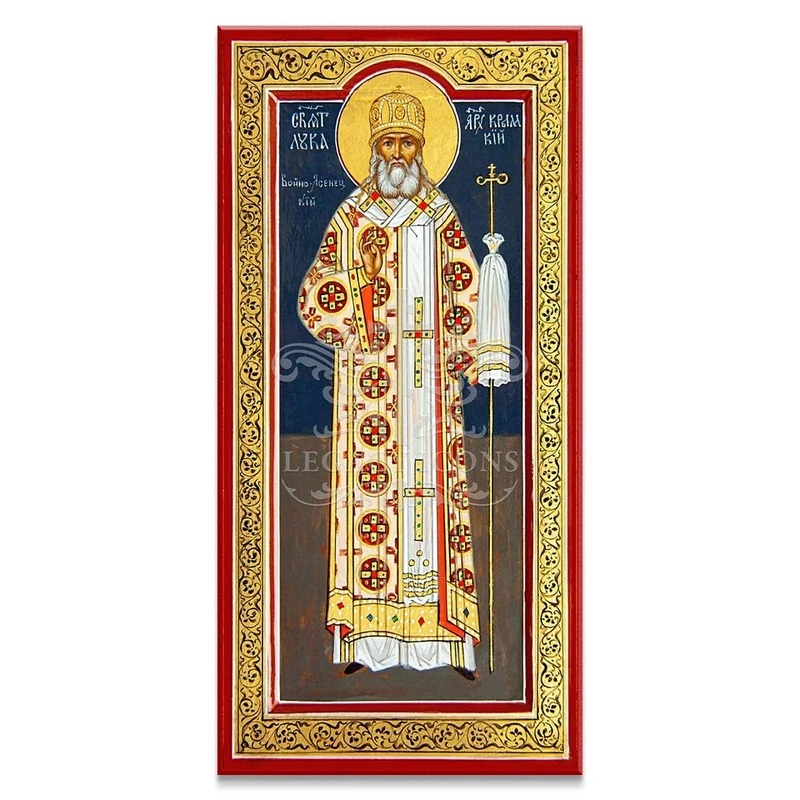
Luke, born Valentin Voyno-Yasenetsky, chose medicine because he wanted to help people who could not afford care. He became a surgeon and continued treating patients after his ordination as a priest and bishop. Soviet imprisonment and exile interrupted his life repeatedly, but did not end his medical service. During the Second World War he cared for wounded soldiers, while his scientific work earned public recognition. As Archbishop of Simferopol, he joined pastoral responsibility with concern for suffering people. His life shows how professional skill, perseverance, and Christian compassion can serve the same human need.
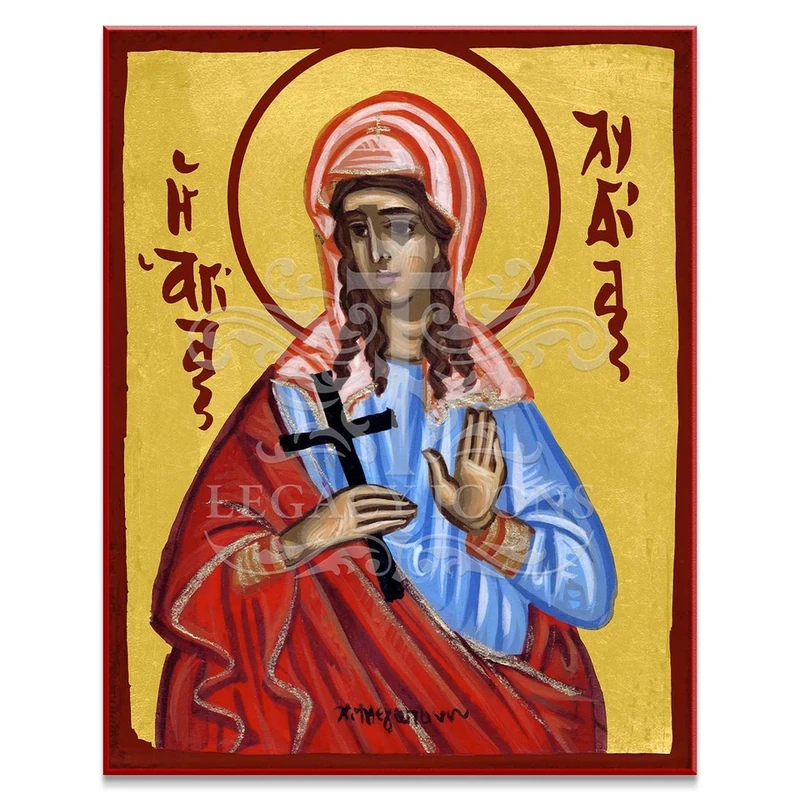
Lydia was a seller of purple goods from Thyatira who encountered Paul’s preaching at a place of prayer near Philippi. Acts describes her listening attentively and receiving the message with an open heart. She and her household were baptized, and she urged the missionaries to accept the hospitality of her home. The Church honors her as Equal-to-the-Apostles. Lydia’s story places ordinary resources at the beginning of a community’s growth: a businesswoman’s attention, home, and generosity became part of the Gospel’s welcome in Macedonia. Her faith took visible form through hospitality.
The directory indexes the OCA full-year calendar, including leap-day commemorations, alongside additional researched profiles. Calendar entries include individual saints, groups, icons and feasts. An entry count is not a count of unique saints. Categories are provisional; follow the linked source.
Dates show commemorations in the referenced calendar year. Movable feasts change annually, and local calendars may differ. Additional jurisdictions, original biographies and icon research remain in progress. This collection does not yet claim complete Eastern Orthodox coverage.
Calendar metadata was retrieved through Orthocal’s source repository and the Orthodox Church in America. Source-only calendar records link to their original accounts; researched profiles include individually sourced artwork.
 Patron SaintTake the quiz