Sava was born Rastko into the Serbian ruling family and left court life for monastic devotion on Mount Athos. His father later joined him as the monk Simeon, and together they supported Hilandar monastery. Sava became a priest and eventually the first archbishop of the Serbian Church. His work included organizing church life, visiting communities, establishing churches, and drawing on monastic experience from Athos and Palestine. He also traveled widely on pilgrimage and prepared a successor. His commemoration remembers learning and devotion put at the service of a Church growing in its capacity to govern and teach.
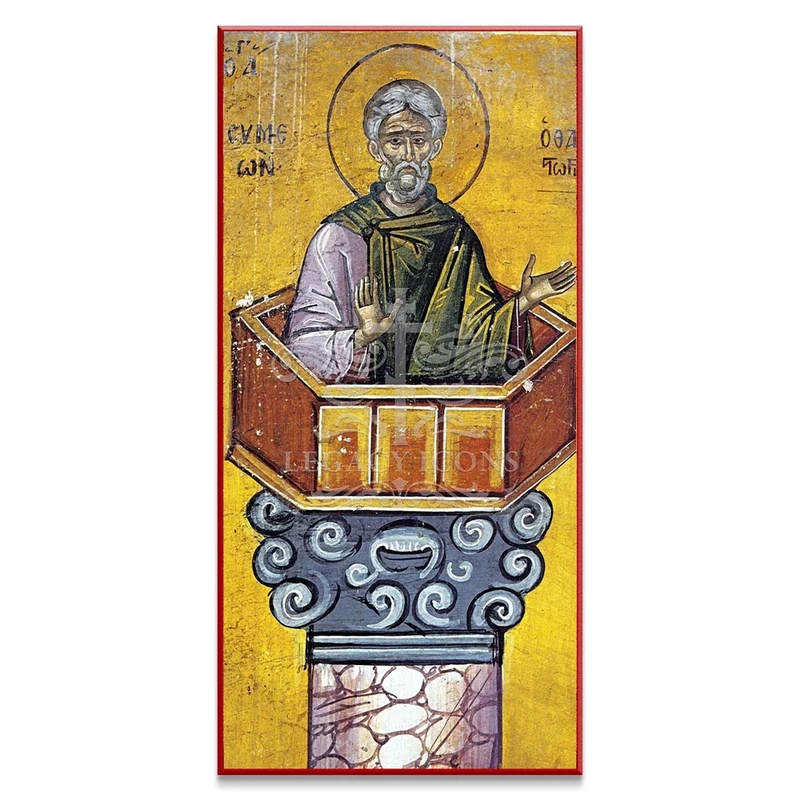
Simeon began life tending sheep and was deeply moved by hearing the Beatitudes. He sought explanation from an experienced elder before entering monastic life. His later search for solitude led to the unusual practice of prayer on a pillar, from which he also addressed the people who came to him. The received life remembers his willingness to obey visiting elders who tested whether his discipline had become self-will. Crowds, clergy, and public leaders encountered his witness. Orthodox remembrance honors his prayer and endurance while locating his distinctive ascetic practice within the guidance and scrutiny of the Church.
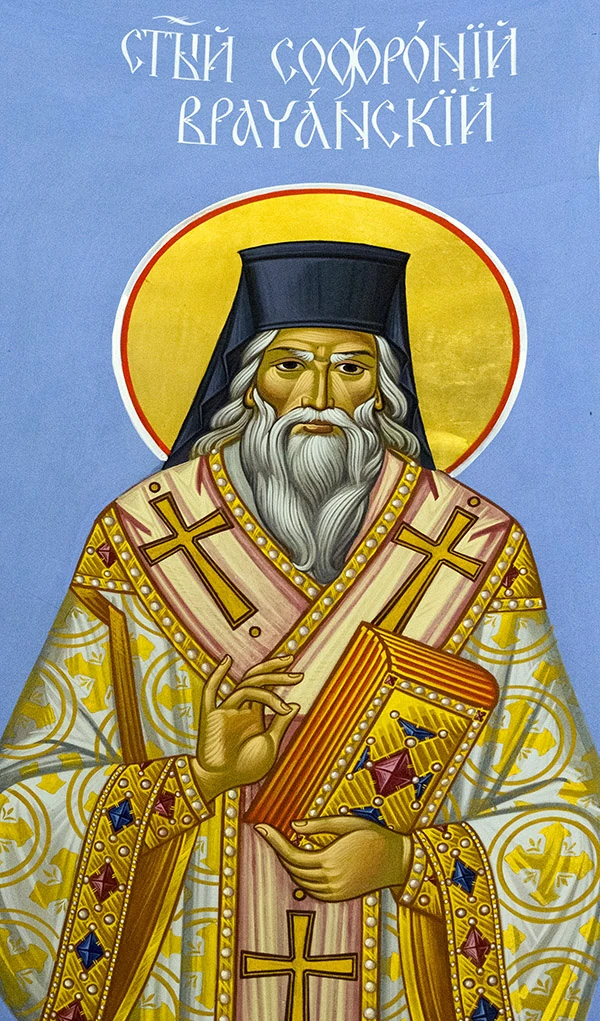
Sophronius was born Stoyko in Kotel and became a priest, teacher and copyist of church books. He copied Paisius of Hilandar’s history and taught children while preaching in spoken Bulgarian. In 1794 he became Bishop of Vratsa and continued traveling and teaching amid war and insecurity. He later settled in Romania, where he wrote an autobiography and prepared a collection of sermons in accessible Bulgarian, published in 1806. He died in 1813.
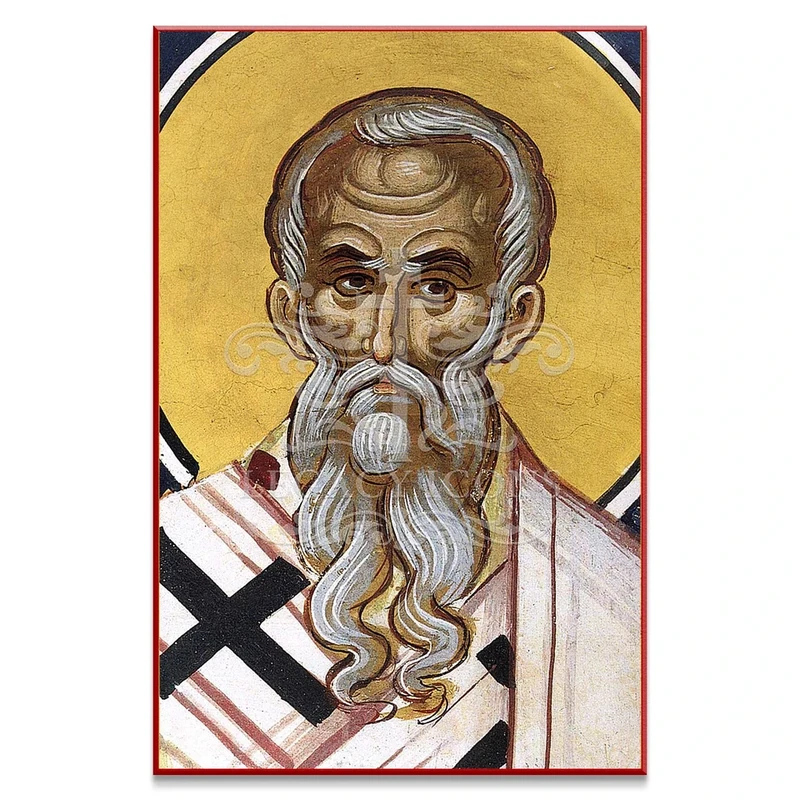
Sophronius was educated in Damascus and became a monk with a deep interest in the lives of desert ascetics. With his teacher John Moschus, he visited monastic communities and preserved their spiritual experience in the material associated with the Spiritual Meadow. War displaced the companions through several regions, and Sophronius later returned Moschus’s body to Palestine. Chosen patriarch of Jerusalem, he served a community facing theological dispute and political upheaval. His literary legacy includes theological works, hymnography, and the traditionally attributed Life of Mary of Egypt. His witness connects learning with personal encounters and the preservation of another person’s story.
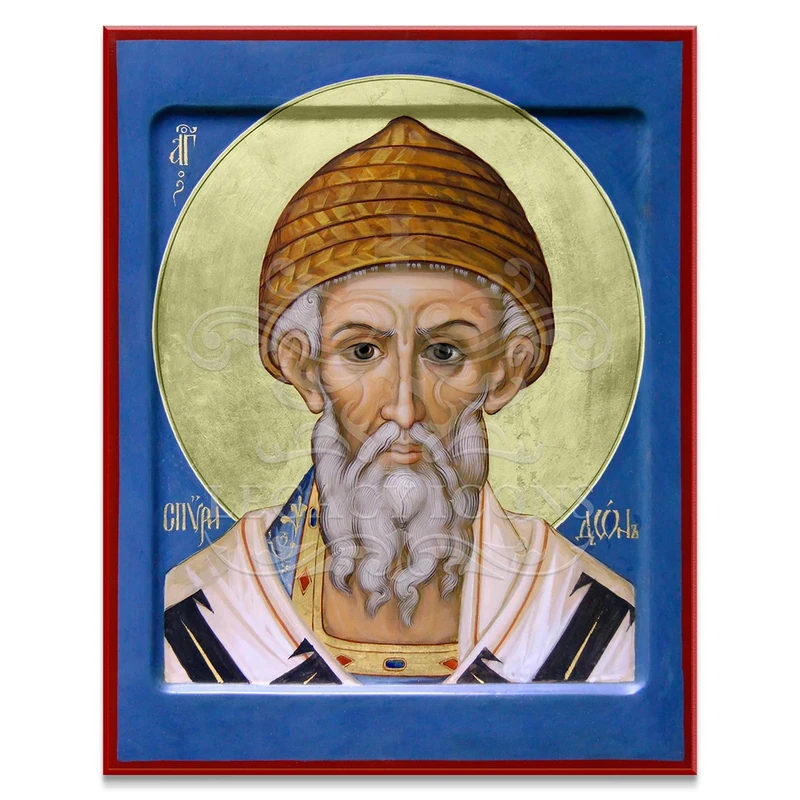
Spyridon worked as a shepherd and shared his resources with neighbors and people without homes. After his wife’s death he became bishop of Tremithus in Cyprus, but his traditional life emphasizes that he retained a simple manner of living. The Church remembers his hospitality, care for his flock, and many accounts of help through prayer. He is also associated with the defense of the faith at Nicaea. Spyridon’s example is approachable in its everyday generosity: a position of responsibility need not erase kindness, direct speech, or the willingness to welcome a tired stranger.
Stephen Milutin belonged to the Nemanjić royal family and succeeded his elder brother Dragutin as ruler of Serbia. His Orthodox commemoration particularly remembers his extensive religious patronage. The OCA account describes churches, monasteries, and accommodation for travelers, with special attention to the communities of Mount Athos. A longer Serbian Church account also describes his provision for sick people through an endowed hospital and guesthouse in Constantinople. These acts form one part of a complex royal life involving warfare and dynastic decisions. He was buried at Banjska Monastery.
The directory indexes the OCA full-year calendar, including leap-day commemorations, alongside additional researched profiles. Calendar entries include individual saints, groups, icons and feasts. An entry count is not a count of unique saints. Categories are provisional; follow the linked source.
Dates show commemorations in the referenced calendar year. Movable feasts change annually, and local calendars may differ. Additional jurisdictions, original biographies and icon research remain in progress. This collection does not yet claim complete Eastern Orthodox coverage.
Calendar metadata was retrieved through Orthocal’s source repository and the Orthodox Church in America. Source-only calendar records link to their original accounts; researched profiles include individually sourced artwork.
 Patron SaintTake the quiz