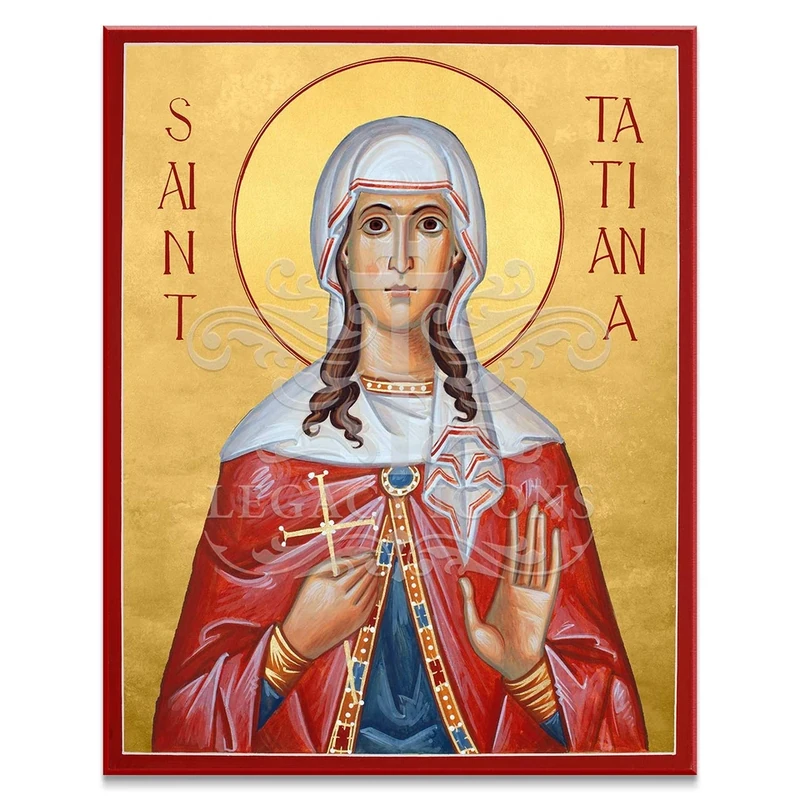
Tatiana was raised in a Roman family whose father privately practiced Christianity. As an adult she dedicated her life to Christ and became a deaconess in a Roman church. Her service included tending sick people and helping those in need, supported by fasting and prayer. During persecution she was arrested and ordered to offer sacrifice to pagan gods. The traditional life remembers her refusal and her prayers for those who harmed her. She was eventually executed, along with her father. The Church honors a witness rooted in practical care before the final trial of martyrdom.
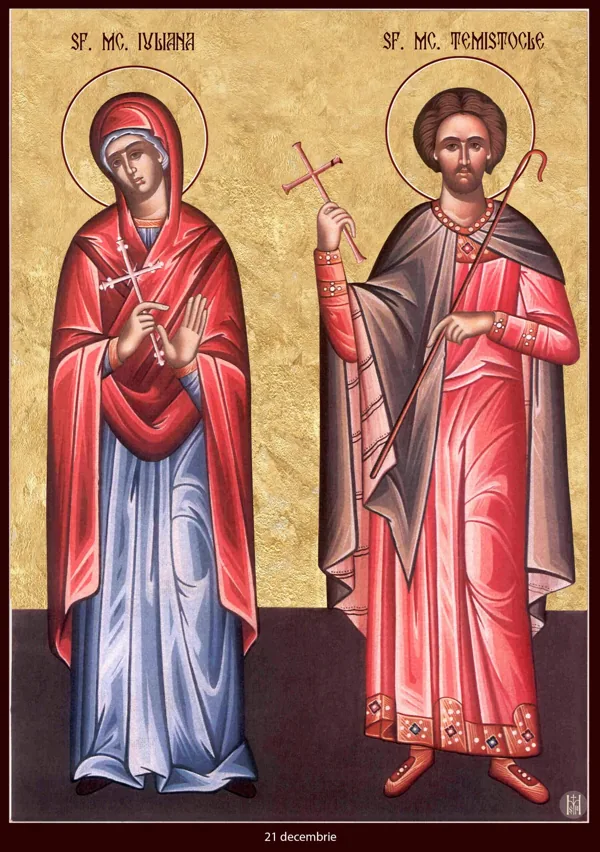
Themistocles was a shepherd from the region of Myra in Lycia. When a persecuted Christian reached his grazing place, Themistocles showed him a hiding place. He did not disclose the fugitive’s location when the pursuers arrived and instead declared that he too was Christian. He was taken before the judge Asclepius and suffered martyrdom.
Theodota was a Christian woman from Cappadocia whose confession of faith brought her before the governor Symblicius. The OCA describes her as wealthy, but her standing did not spare her from imprisonment when she refused to abandon Christ. The account follows repeated trials, periods in prison, and transfers between cities before her final execution at Nicaea. Prayer remains central to the narrative of her endurance. Bishop Sophronius cared for her burial after she was beheaded. Orthodox Christians remember her as a martyr whose allegiance to Christ remained firm under official pressure, rather than as someone protected by wealth or position.
Thomais was raised in a Christian family in Alexandria and enjoyed spiritual reading. After marrying a fisherman, she lived with his family and was remembered for her gentleness. Her father-in-law attempted to sexually assault her while her husband was away. Thomais resisted his demands and threats, and he murdered her. The Orthodox account honors her steadfast faith and dignity in the face of violence. Daniel of Skete arranged her burial among monks, insisting that her witness deserved their reverence. Pilgrims later visited her relics. Her story remembers the victim's courage and the responsibility of the aggressor, rather than placing blame on someone subjected to abuse.
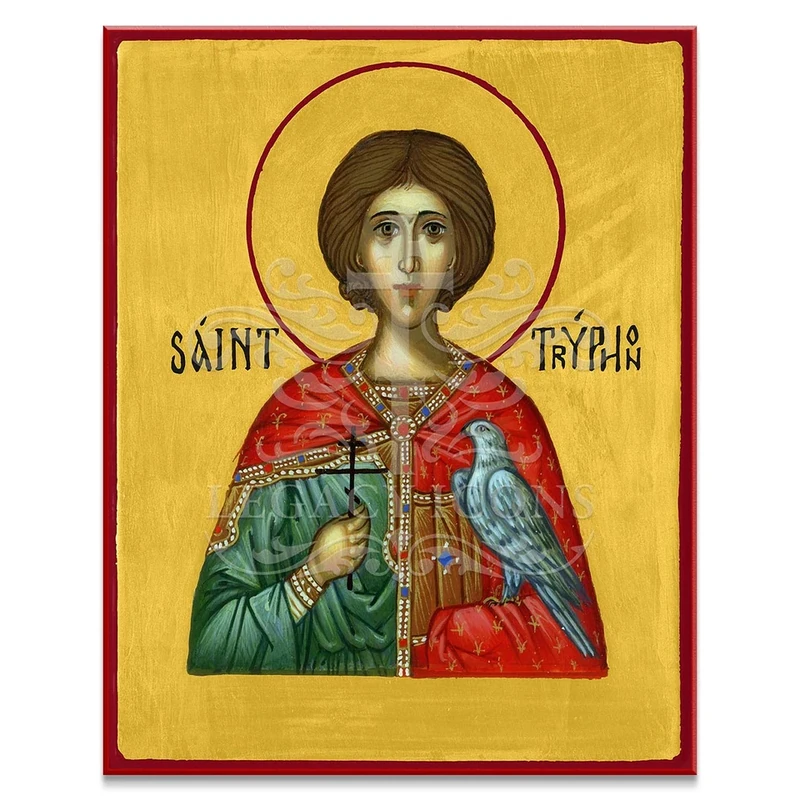
Tryphon’s traditional life remembers a young Christian who helped people in distress through prayer. Stories of healing and the protection of crops from locusts formed part of his early reputation. During the persecution under Decius, his public Christian witness brought arrest and interrogation. He remained steadfast and was condemned to death at Nicaea. The Church remembers his final prayer for people who would seek his help and his later veneration as a protector associated with birds. His life brings the needs of households and communities into the same remembrance as courage in persecution.
The directory indexes the OCA full-year calendar, including leap-day commemorations, alongside additional researched profiles. Calendar entries include individual saints, groups, icons and feasts. An entry count is not a count of unique saints. Categories are provisional; follow the linked source.
Dates show commemorations in the referenced calendar year. Movable feasts change annually, and local calendars may differ. Additional jurisdictions, original biographies and icon research remain in progress. This collection does not yet claim complete Eastern Orthodox coverage.
Calendar metadata was retrieved through Orthocal’s source repository and the Orthodox Church in America. Source-only calendar records link to their original accounts; researched profiles include individually sourced artwork.
 Patron SaintTake the quiz