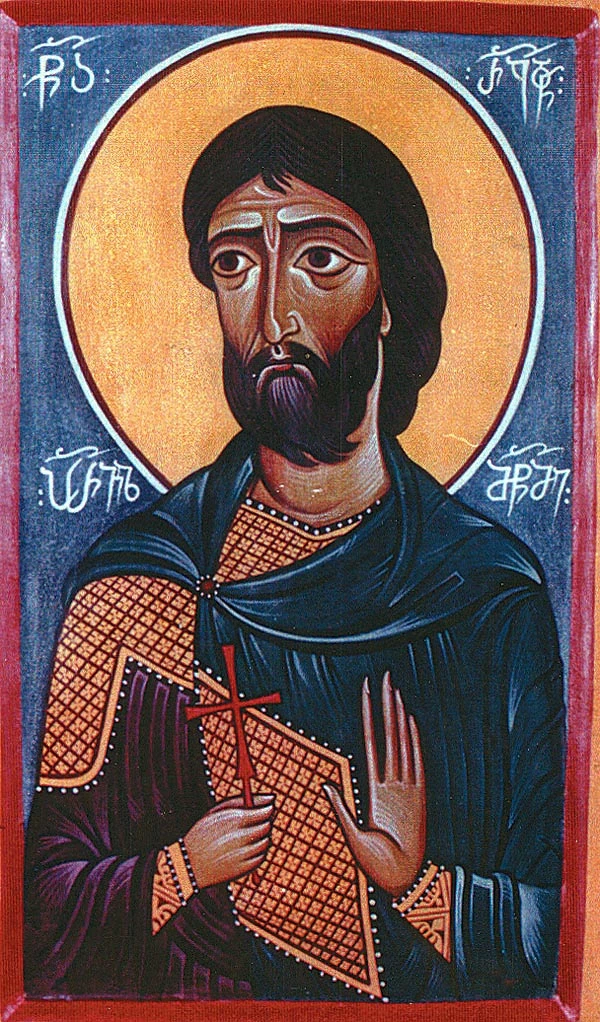
Razhden came from a Persian noble family and entered Georgia with the household of King Vakhtang’s queen. In Kartli he became Christian and served as an adviser and commander. His conversion later brought him before the Persian king during conflict between the kingdoms. The traditional life describes attempts to win him back through favor, pressure, and imprisonment. He was briefly allowed to visit his family, but the demand to abandon Christ continued. He was eventually executed. The Georgian Church remembers him as its first martyr, preserving a witness shaped by conversion and unwavering commitment amid political division.
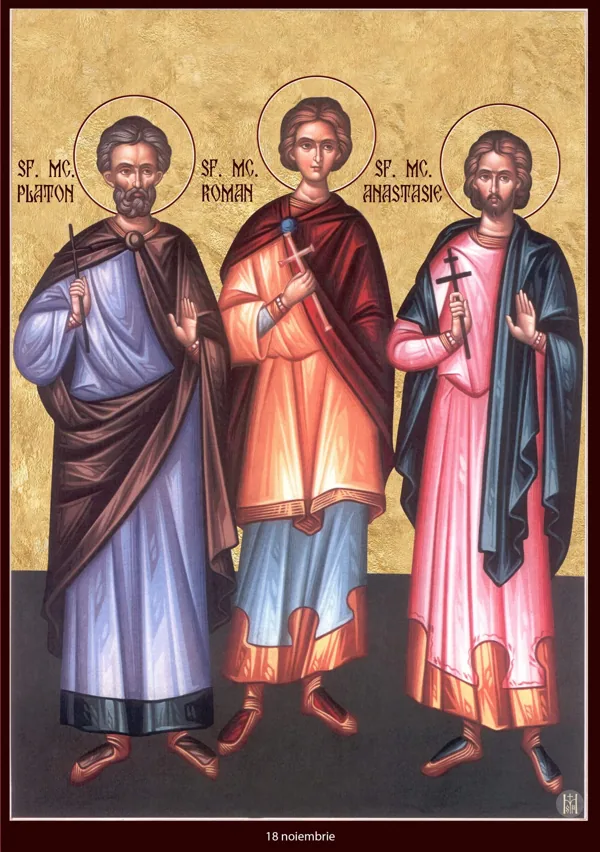
Romanus came from Palestine and served as a deacon in the church of Caesarea. During Diocletian’s persecution he was in Antioch, where he preached and urged Christians to remain faithful when their church faced destruction. His public rejection of idolatry brought arrest, torture and death.
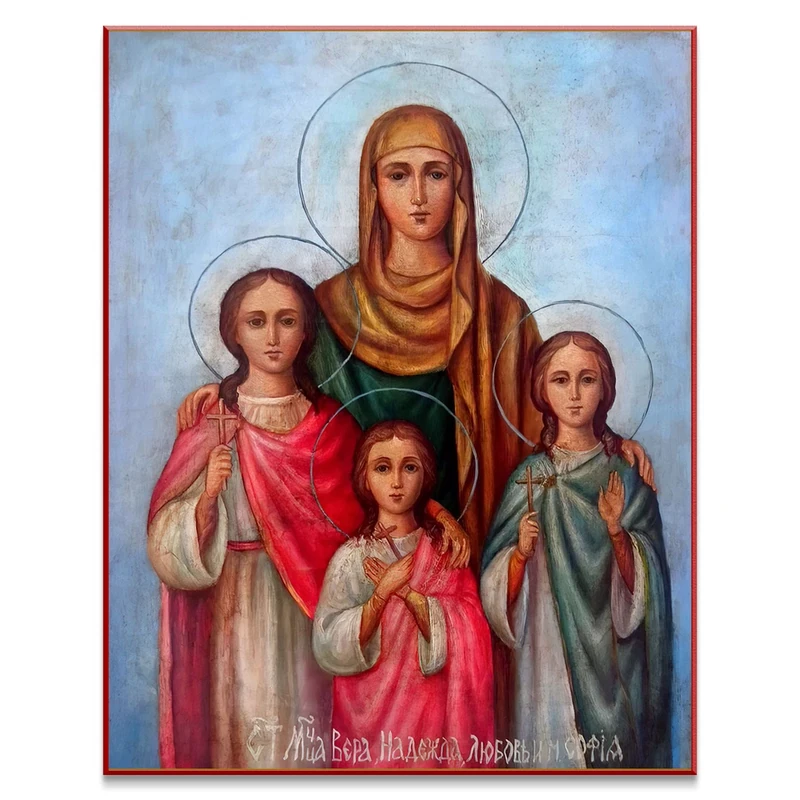
The traditional account of Sophia and her daughters remembers a Christian widow raising Faith, Hope, and Love in devotion to Christ. Brought before the emperor Hadrian, the children would not offer pagan sacrifice. Their mother endured the anguish of their deaths and buried them outside Rome, where she also died soon afterward. The Church honors all four together as martyrs. Their names express the Christian virtues that frame their remembrance. This account asks readers to meet family suffering with reverence and compassion, without treating the children’s persecution as an example to reproduce or romanticize.
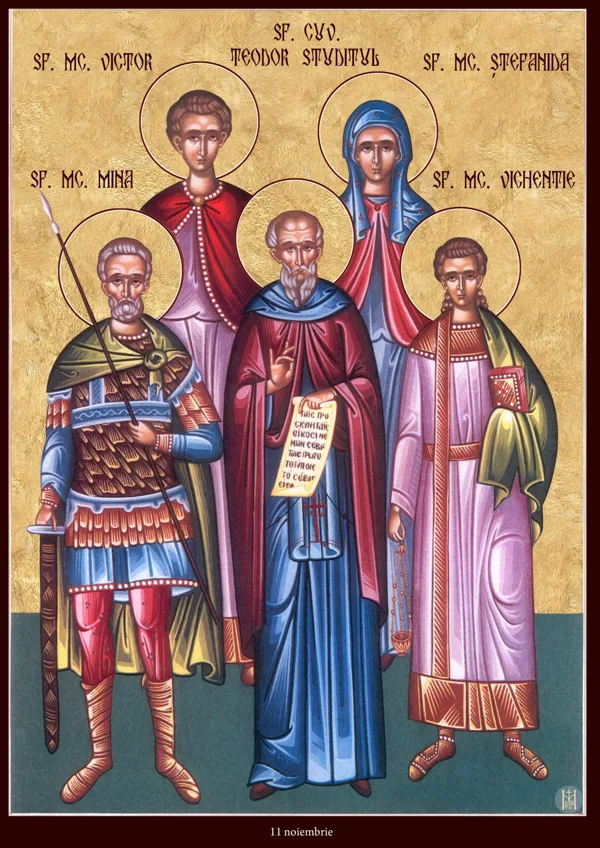
Stephanida was a young married Christian woman who witnessed the torture of Victor. She publicly encouraged him and praised his faith. When questioned, she also confessed Christianity and refused pagan sacrifice. She was killed after being fastened between bent palm trees.
Susanna, known in Georgian as Shushanik, belonged to a Christian family and married Varsken, the ruler of Hereti. When he adopted the Persian court's religion and sought to impose the change on his household, she refused. She first sought refuge with her children in a church and later endured violence and prolonged imprisonment. The OCA's received life remembers her helping poor people who came to her even during captivity. Before her death, she blessed those around her. Her commemoration remembers fidelity under coercion and care for others amid suffering; the violence against her is neither deserved nor a duty for others to accept.
Susanna, known in Georgian as Shushanik, belonged to a Christian family and married Varsken, the ruler of Hereti. When he adopted the Persian court's religion and sought to impose the change on his household, she refused. She first sought refuge with her children in a church and later endured violence and prolonged imprisonment. The OCA's received life remembers her helping poor people who came to her even during captivity. Before her death, she blessed those around her. Her commemoration remembers fidelity under coercion and care for others amid suffering; the violence against her is neither deserved nor a duty for others to accept.
The directory indexes the OCA full-year calendar, including leap-day commemorations, alongside additional researched profiles. Calendar entries include individual saints, groups, icons and feasts. An entry count is not a count of unique saints. Categories are provisional; follow the linked source.
Dates show commemorations in the referenced calendar year. Movable feasts change annually, and local calendars may differ. Additional jurisdictions, original biographies and icon research remain in progress. This collection does not yet claim complete Eastern Orthodox coverage.
Calendar metadata was retrieved through Orthocal’s source repository and the Orthodox Church in America. Source-only calendar records link to their original accounts; researched profiles include individually sourced artwork.
 Patron SaintTake the quiz