 Patron SaintTake the quiz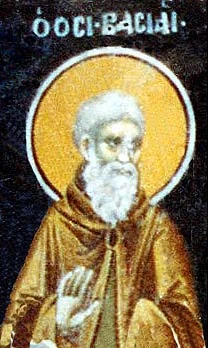
Saint Bassian of Constantinople
October 10
Bassian came from Syria. During the reign of Marcian, he founded a monastery in Constantinople. The calendar remembers his peaceful death and a church later built in his honor.
Read the saint’s lifeFind a name. Explore a life of faith. Search the Church’s calendar and follow each entry to its source.
October 10
Bassian came from Syria. During the reign of Marcian, he founded a monastery in Constantinople. The calendar remembers his peaceful death and a church later built in his honor.
Read the saint’s life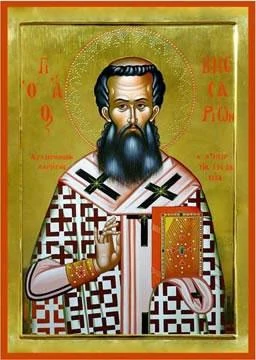
September 15
Bessarion was born at Pili in Thessaly and became a disciple of Archbishop Mark of Larissa. When the people of Elassona would not receive him as bishop, he remained to assist his teacher. The calendar describes his care for poor people and patient endurance of opposition before he later became archbishop.
Read the saint’s life
December 19
Boniface is remembered for generosity that began before his episcopal ministry. The OCA life describes him giving his own clothes to people without adequate clothing, even when his widowed mother worried about the household’s resources. It also preserves an account of grain given away and the family’s stores restored through prayer. When he became bishop of Ferentino, his concern for those in need continued. He encouraged his flock to notice even the least regarded neighbors. The brief account offers no detailed public chronology, but consistently identifies mercy and freedom from possessiveness as the center of his pastoral memory.
Read the saint’s life
May 2
Boris ruled Bulgaria during a period of war, hardship, and significant religious change. Encounters with Christians, including members of his own family, helped prepare his conversion. At baptism he received the name Michael. His later rule supported the development of the Bulgarian Church, the building of churches, and closer participation in the Christian life of the region. In old age he entered a monastery, though political crises drew him back into public action. He died in 907. His commemoration remembers the role of a ruler in a nation’s Christian formation and the later turn toward monastic devotion.
Read the saint’s life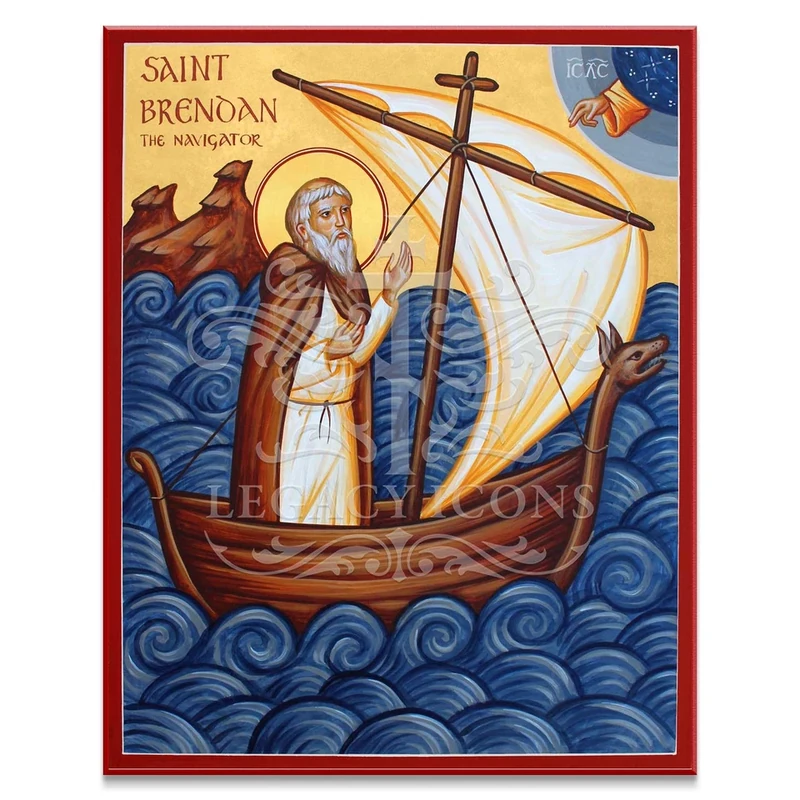
May 16
Brendan came from the region of Tralee in Ireland and received early religious formation associated with Ita and other teachers. He became a priest and founded monastic communities, including the celebrated monastery at Clonfert. The OCA life also remembers travel to Britain and connections with other early monastic figures. His title, Navigator, reflects a famous account of voyages in search of the blessed land. The source itself distinguishes the historical monk from fabulous elements in that narrative. His lasting Orthodox remembrance rests on prayer, teaching, and the communities he helped establish, as well as the imaginative journey associated with his name.
Read the saint’s life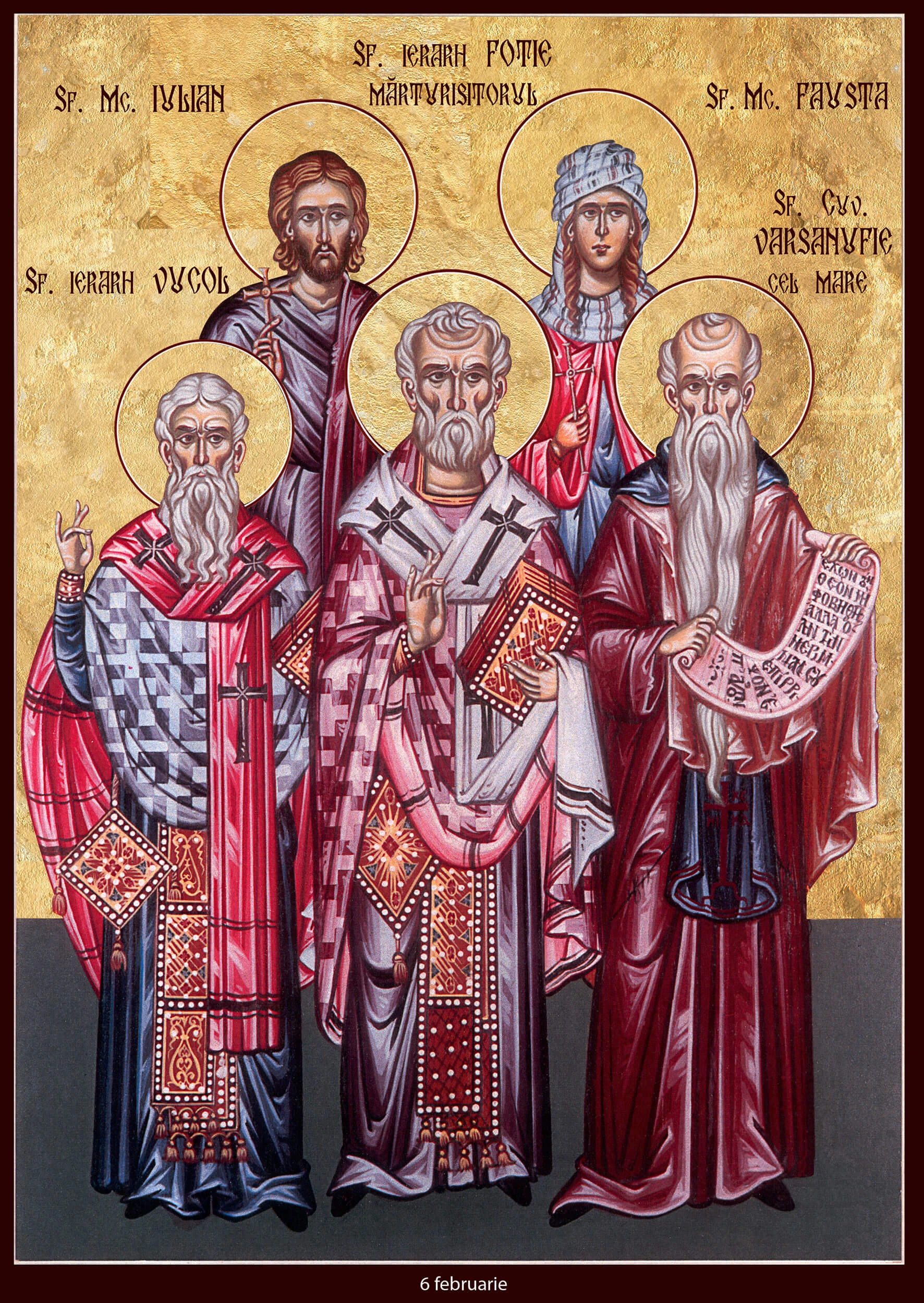
February 6
Bucolus is remembered as a disciple of John the Theologian and the first Bishop of Smyrna. The Church honors his work of teaching, baptizing new believers, and guiding the community in its confession of faith. Before his peaceful death, he entrusted the flock to Polycarp, who continued that pastoral care. Bucolus’s brief surviving life gives particular weight to the handing on of responsibility. A faithful teacher prepares others to continue the work, so that the community’s life does not depend only on one person’s presence or reputation.
Read the saint’s lifeThe directory indexes the OCA full-year calendar, including leap-day commemorations, alongside additional researched profiles. Calendar entries include individual saints, groups, icons and feasts. An entry count is not a count of unique saints. Categories are provisional; follow the linked source.
Dates show commemorations in the referenced calendar year. Movable feasts change annually, and local calendars may differ. Additional jurisdictions, original biographies and icon research remain in progress. This collection does not yet claim complete Eastern Orthodox coverage.
Calendar metadata was retrieved through Orthocal’s source repository and the Orthodox Church in America. Source-only calendar records link to their original accounts; researched profiles include individually sourced artwork.