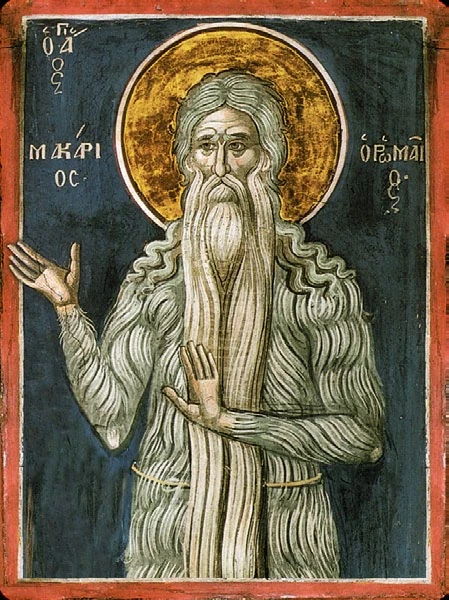
Macarius was born into a Christian family in Rome and desired monastic life from his youth. His received life describes his departure from an arranged marriage and a journey into the wilderness beyond Persia. There he lived in a cave and devoted himself to prayer. Three traveling monks encountered him, received his hospitality and heard the story of his life.
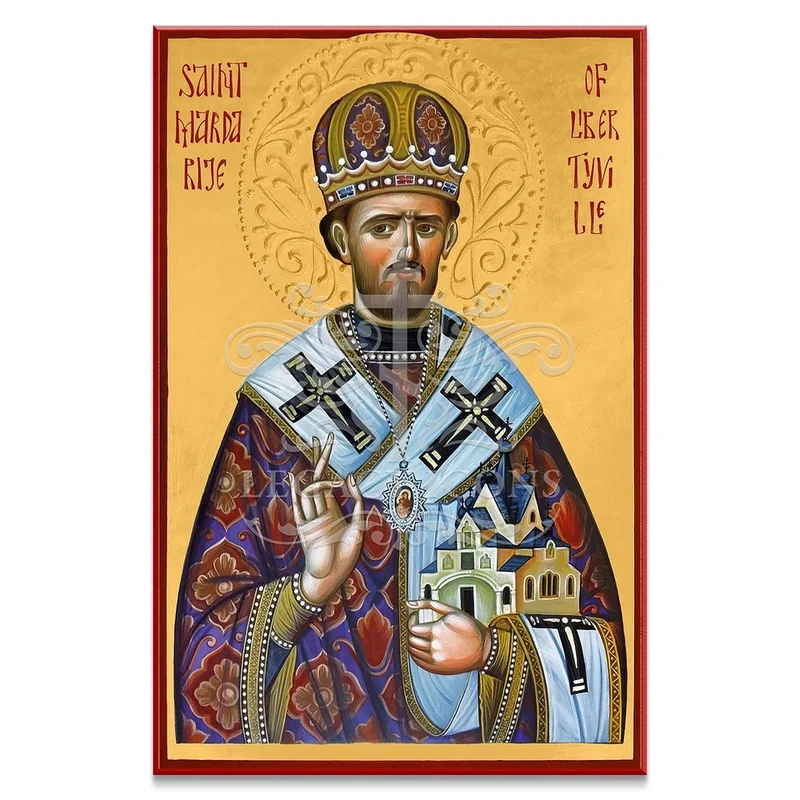
Mardarije Uskokovic was born in Montenegro and entered monastic life while young. After theological study and ministry in Russia, he was sent to North America in 1917 to serve the Serbian Orthodox mission. He organized congregations and founded Saint Sava Monastery in Libertyville, Illinois. Consecrated bishop in 1926, he continued building church life while facing opposition and serious illness. The Serbian Church’s account emphasizes his humility, selflessness, and forgiveness toward those who resisted his work. He died in 1935 after suffering from tuberculosis. His formal glorification in 2017 brought Orthodox Christians together at the monastery that had become central to his ministry.
Mariamne accompanied her brother Philip and the Apostle Bartholomew in their missionary work. The Church remembers her as an active coworker who shared the difficulty of preaching in unfamiliar places. The traditional account describes imprisonment at Hierapolis and her release after Philip’s death. She cared for her brother’s burial and continued preaching in Lycaonia, where she died peacefully. Mariamne’s witness gives a clear place to a woman’s work within the apostolic mission. Her story also shows perseverance after loss: grief and practical care did not bring her service of the Gospel to an end.
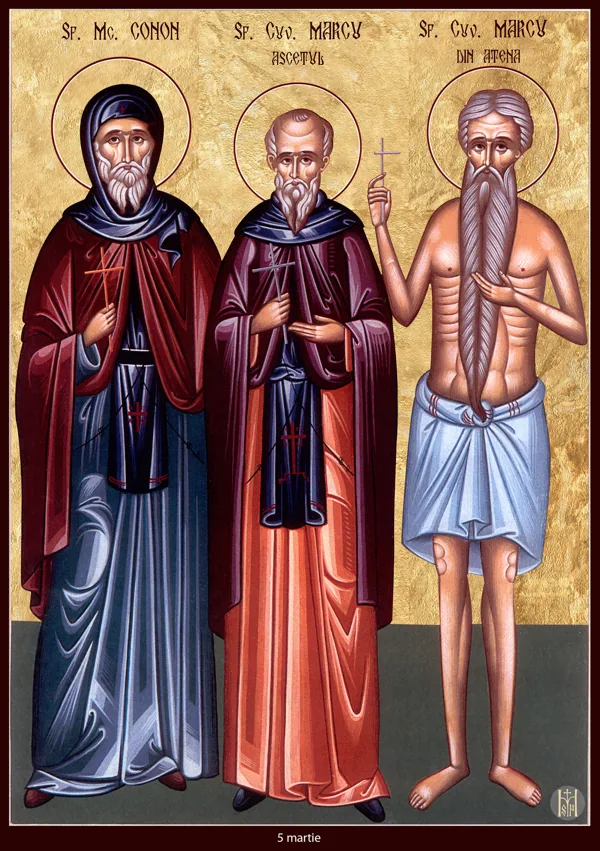
Mark devoted himself to the study of Scripture and to monastic life. The calendar identifies his surviving writings among the works read in the Philokalia. His remembrance preserves a teacher whose learning was joined to an ascetic vocation.
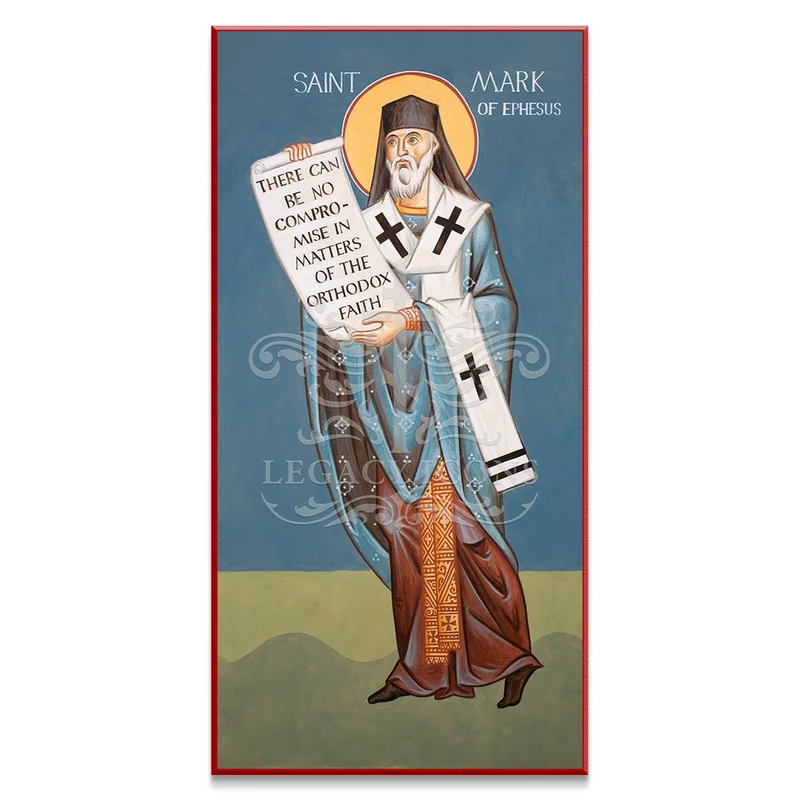
Mark Eugenikos served as Archbishop of Ephesus and participated in the Council of Florence during a period of intense pressure on the Byzantine Empire. The emperor sought Western assistance, while church representatives debated union between East and West. Mark opposed the proposed settlement because he considered its theological terms incompatible with Orthodox teaching. He supported his arguments with Scripture and the Church Fathers and declined to sign the agreement accepted by the other delegates. After returning to Constantinople, he continued to explain his objections. Orthodox Christians honor him for theological conviction and perseverance when political urgency made agreement attractive.
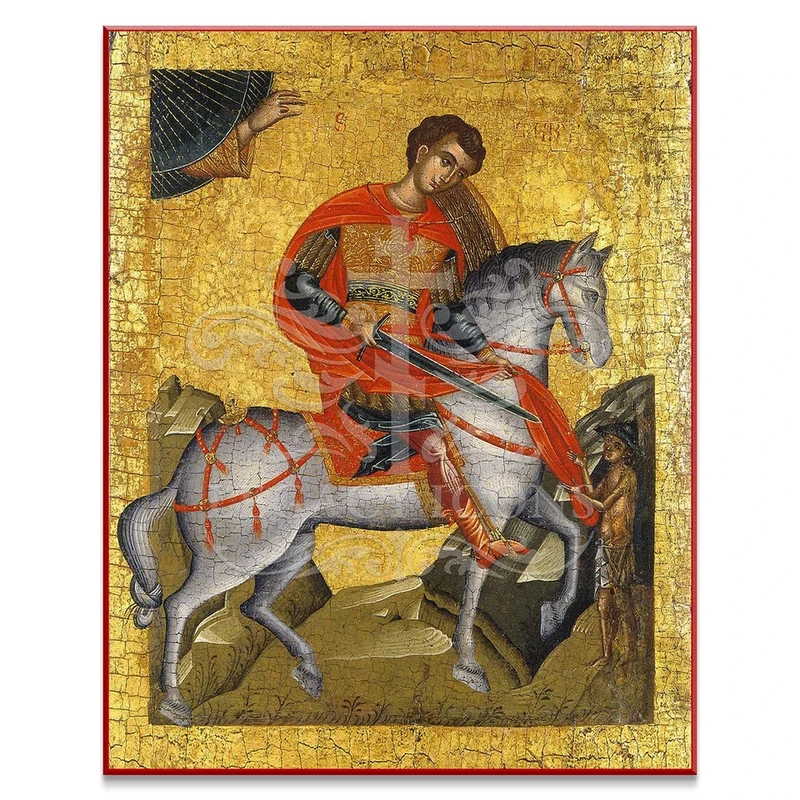
Martin served in the Roman army while still preparing for baptism. His best-known traditional story describes him dividing his cloak to warm a beggar at Amiens, followed by a vision of Christ wearing the gift. He later left military service, pursued monastic life, and became Bishop of Tours. He continued living simply while caring for the Church and people in poverty. Martin’s witness gives mercy a concrete beginning: he responded to a person’s cold before possessing a complete understanding of his own future. The Church remembers a bishop whose generosity remained central to his calling.
The directory indexes the OCA full-year calendar, including leap-day commemorations, alongside additional researched profiles. Calendar entries include individual saints, groups, icons and feasts. An entry count is not a count of unique saints. Categories are provisional; follow the linked source.
Dates show commemorations in the referenced calendar year. Movable feasts change annually, and local calendars may differ. Additional jurisdictions, original biographies and icon research remain in progress. This collection does not yet claim complete Eastern Orthodox coverage.
Calendar metadata was retrieved through Orthocal’s source repository and the Orthodox Church in America. Source-only calendar records link to their original accounts; researched profiles include individually sourced artwork.
 Patron SaintTake the quiz