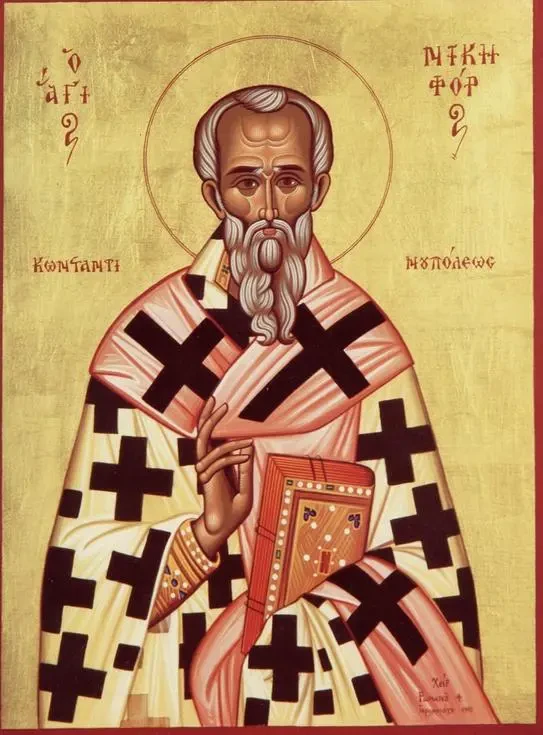
Nikephoros served at the imperial court before entering monastic life and becoming Patriarch of Constantinople in 806. He defended the veneration of icons when renewed imperial opposition threatened the Church's worship. Leo V removed him from office and sent him into exile in 815. The OCA remembers three writings against iconoclasm, preserving his contribution as a teacher as well as a confessor. His remains were later returned to Constantinople and honored in the city's principal churches. His commemoration recalls a patriarch whose theological work continued to serve the Church after political power had deprived him of his public position.
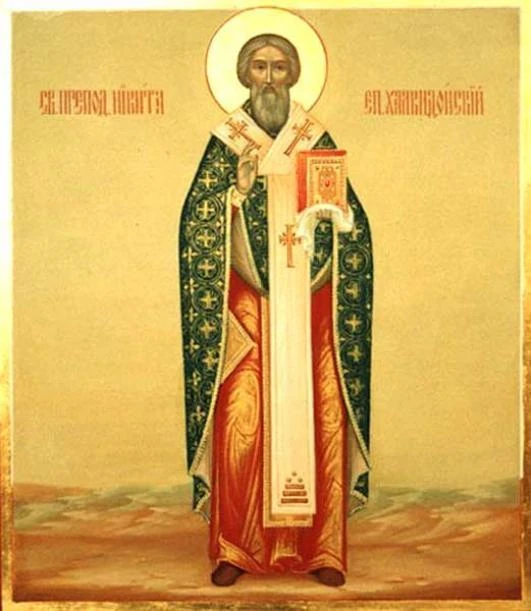
Niketas became bishop of Chalcedon. The calendar describes him using the proceeds of his work to feed hungry people, clothe those in need and receive strangers. He supported widows and orphans. He also defended the veneration of icons and suffered exile before spending his final years in a monastery in Palestine.
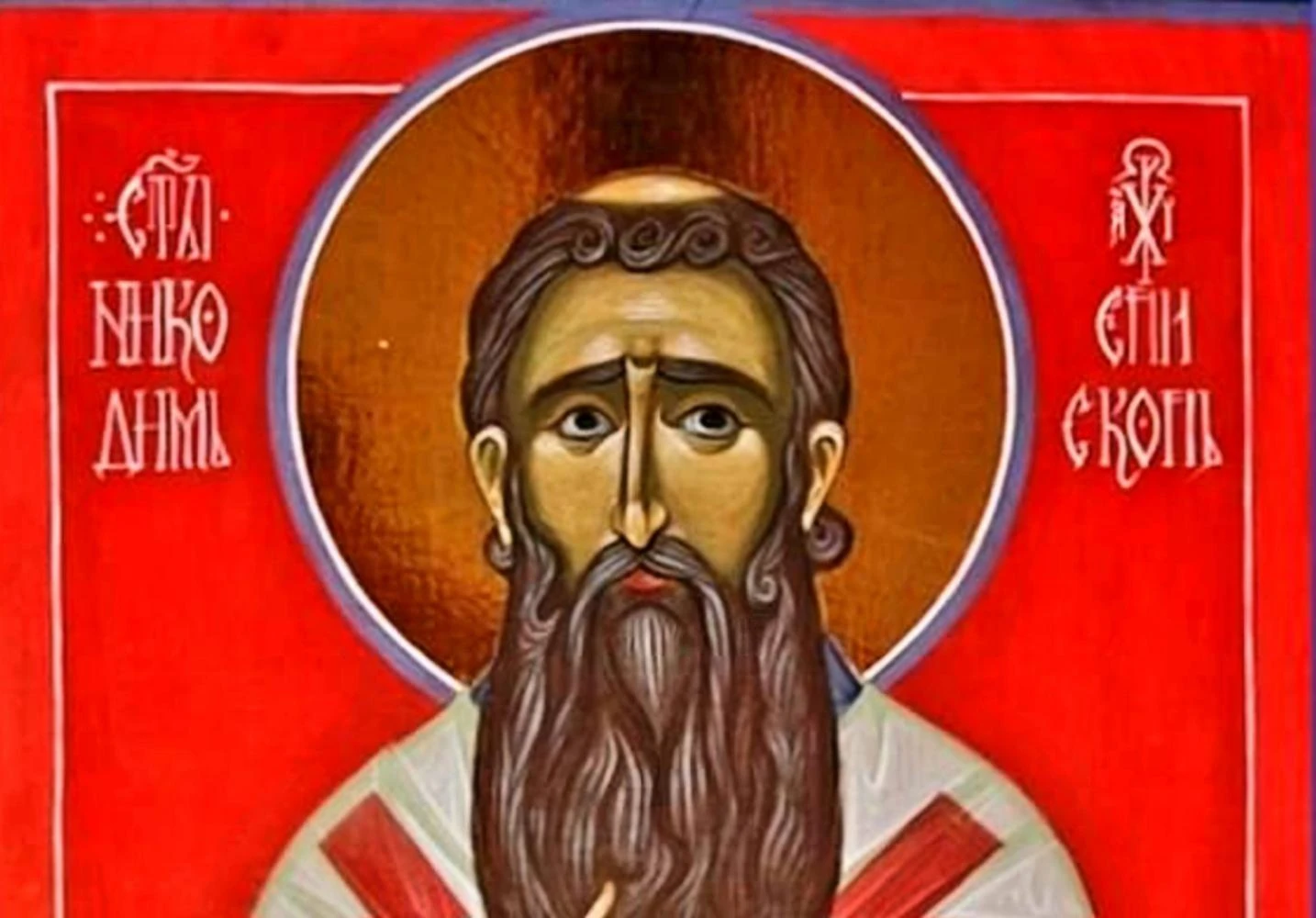
Nicodemus became a monk on Mount Athos and later abbot of Hilandar. As archbishop of Serbia, he translated the Jerusalem Typikon, helping provide a shared order for worship in monasteries and parishes. He also sought support for the hermitage of Saint Sava at Karyes and helped arrange the return of the exiled Stephen and his family from Constantinople. His work joined learning, pastoral responsibility and care for monastic communities.
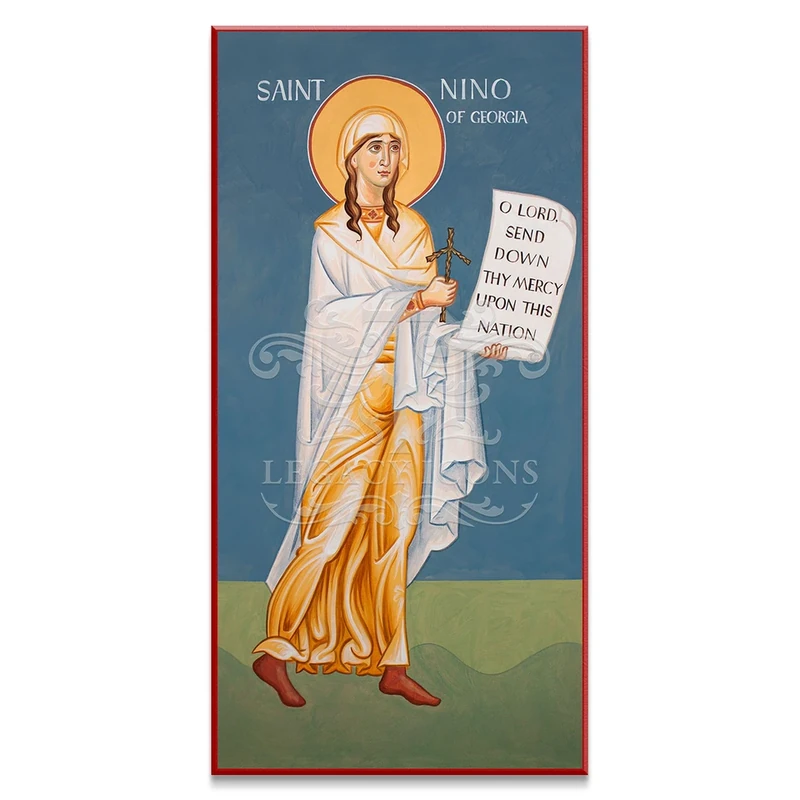
Nino, also known as Nina, is honored as the enlightener of Georgia. Her traditional life describes a young Christian woman traveling from the world of Cappadocia and Jerusalem into a country unfamiliar with the Gospel. Through prayer, teaching, and personal witness she helped lead Queen Nana and King Mirian toward Christianity. The grapevine cross is a distinctive sign of her remembrance. She died at Bodbe, where her burial became a place of pilgrimage. Nino’s story places a woman’s faithful service at the heart of a community’s transformation, even though she initially felt unequal to the task.
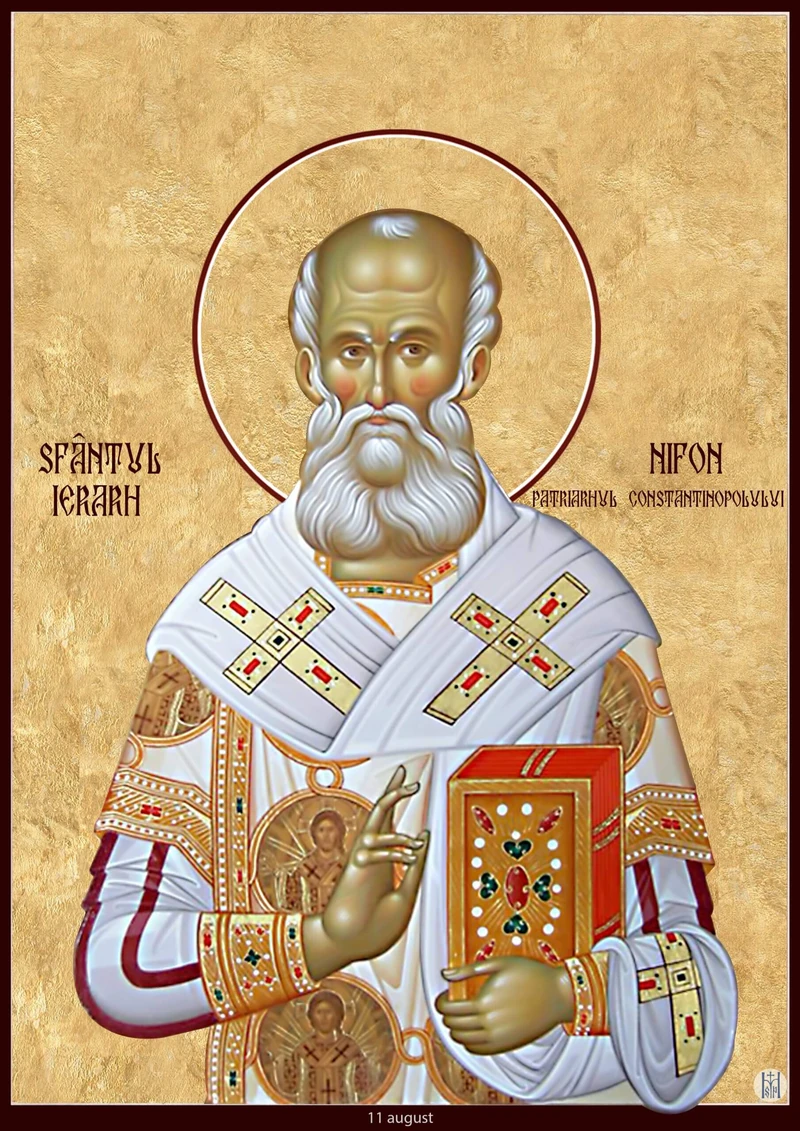
Niphon was born in the Peloponnese and entered monastic life before moving to Mount Athos, where he copied books. He later became Metropolitan of Thessaloniki and served more than once as Patriarch of Constantinople. Political upheaval interrupted his ministry and sent him back to the Holy Mountain. At Dionysiou Monastery he concealed his former rank and accepted ordinary work. When the brothers discovered that he had been patriarch, he continued sharing their tasks rather than claiming exemption. His later veneration extended into the Romanian lands. Niphon's life offers a concrete example of humility: ecclesiastical office did not remove the obligation to serve alongside others.
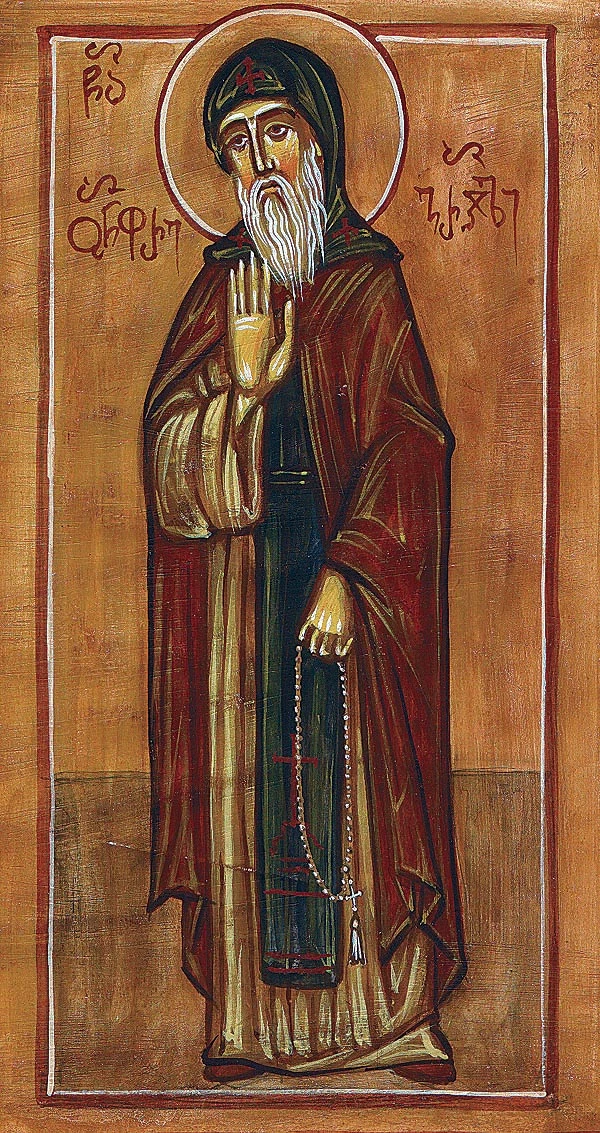
Onuphrius was known as Otar Machutadze before entering the David-Gareji monastery. A wealthy Georgian nobleman, he already practiced hospitality and charity. With his wife’s consent he left for monastic life, receiving the name Onuphrius under Archimandrite Herman. He later survived captivity during an attack on the monastery. When the impoverished community needed supplies, the former aristocrat traveled from house to house asking for help. His later years were marked by silence, the Jesus Prayer, and declining physical strength. The received account remembers humility that could accept both hidden prayer and the public task of begging for others.
The directory indexes the OCA full-year calendar, including leap-day commemorations, alongside additional researched profiles. Calendar entries include individual saints, groups, icons and feasts. An entry count is not a count of unique saints. Categories are provisional; follow the linked source.
Dates show commemorations in the referenced calendar year. Movable feasts change annually, and local calendars may differ. Additional jurisdictions, original biographies and icon research remain in progress. This collection does not yet claim complete Eastern Orthodox coverage.
Calendar metadata was retrieved through Orthocal’s source repository and the Orthodox Church in America. Source-only calendar records link to their original accounts; researched profiles include individually sourced artwork.
 Patron SaintTake the quiz