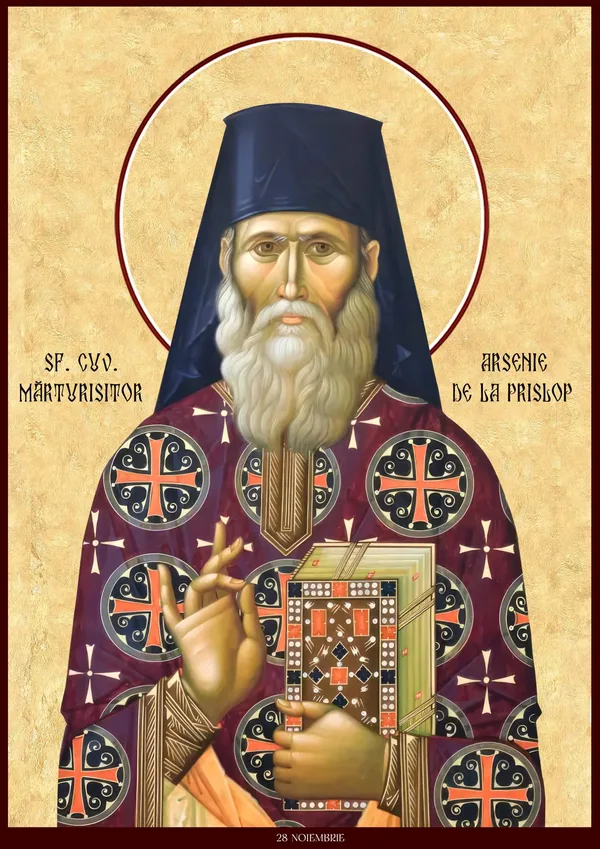
Arsenie studied theology and painting before entering monastic life. He helped Dumitru Stăniloae prepare the early Romanian Philokalia volumes and later worked to restore Prislop Monastery. Communist authorities repeatedly arrested him and eventually removed him from monastic ministry. He continued his monastic commitments, wrote spiritual instruction, and worked as a church painter. His life joined artistic work, teaching, and endurance under restrictions.
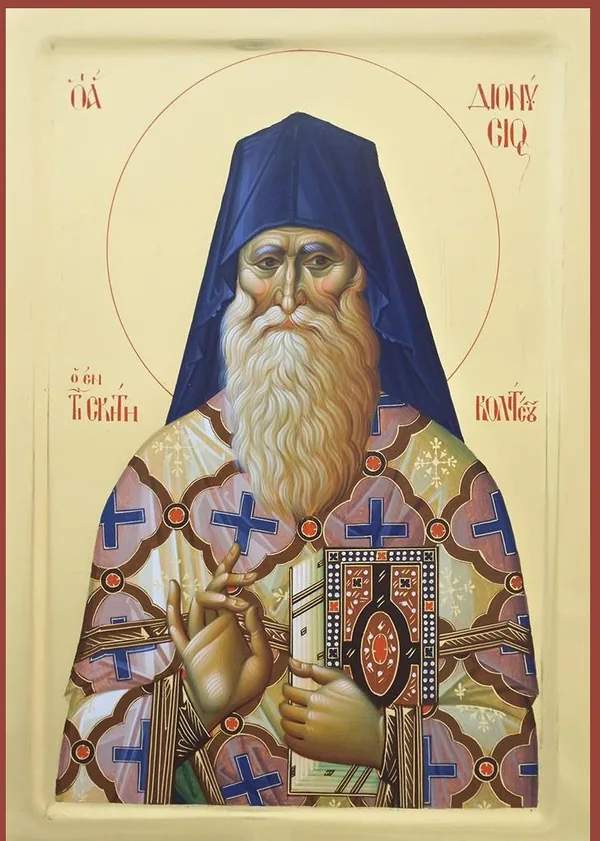
Dionisie followed his older brother into monastic life and settled on Mount Athos. The brothers worked to repay the cost of their first cell and later helped rebuild the Saint George cell at Colciu. Dionisie became a priest and spiritual father. Over many decades, monks and pilgrims from different countries came to him for counsel. His ministry grew from sustained work and the guidance he had received from other elders.
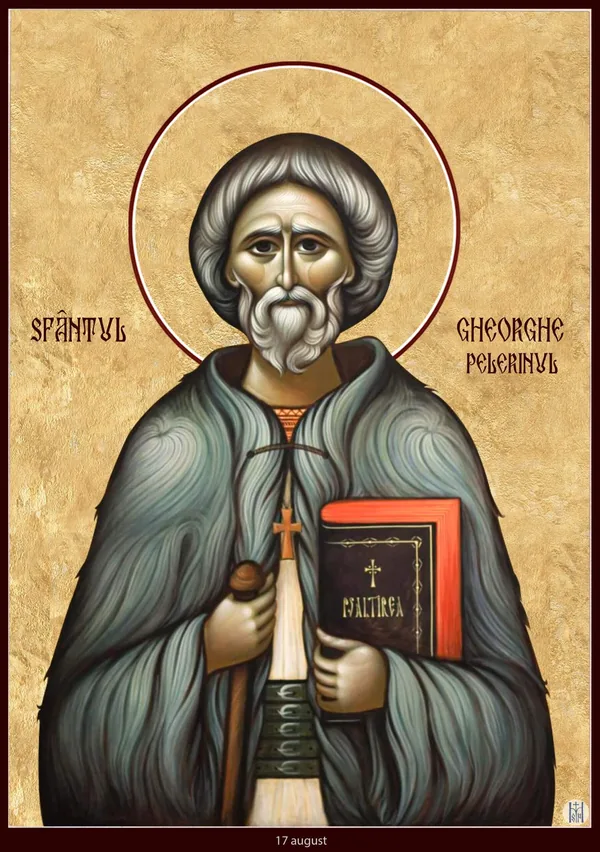
Gheorghe was a married father from Șugag who made prayer central to his daily life. Though he lived in poverty, he gave help to people who were poor. With his wife’s agreement, he undertook pilgrimage to the Holy Land and later guided other pilgrims. He eventually settled beside the church of Saint John in Piatra Neamț, continuing a life of prayer and encouraging the people who encountered him.
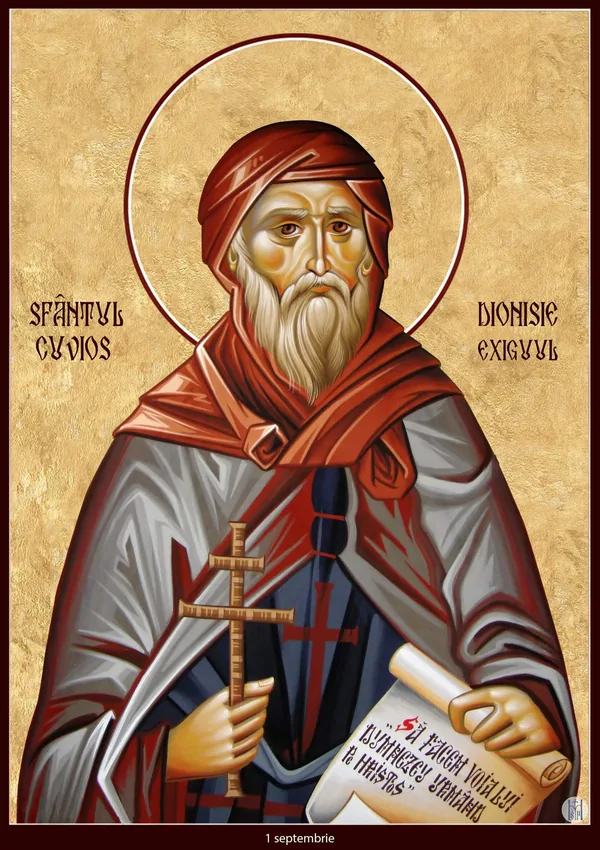
Dionysius came from Scythia Minor and later worked in Rome. He translated Greek Christian writings into Latin, including writings of the Fathers, council documents, and saints’ lives. He also reorganised church archival material and developed work on calendar calculation. The calendar remembers him for proposing a chronology counted from Christ’s birth, as well as for combining learning with a modest way of life.
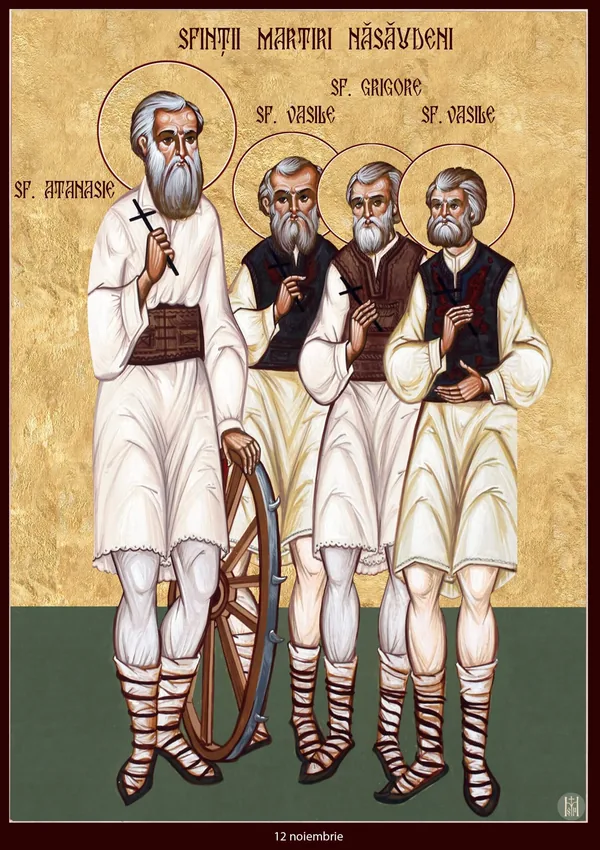
Atanasie was a community leader from Bichigiu who sought guarantees of religious freedom for villages entering a frontier regiment. When those assurances were not honoured, he publicly challenged the pressure placed on Orthodox villagers. At Salva, he urged the soldiers to put down their weapons. The authorities executed him alongside Vasile of Mocod, Grigorie of Zagra, and Vasile of Telciu. The church remembers their witness together.
Vasile of Mocod is named among the three companions executed with Atanasie Todoran at Salva. The official calendar honours these men as witnesses of Orthodox faith during pressure on the communities of the Năsăud region. The linked calendar preserves his name and martyrdom but gives few details of his earlier life.
The directory indexes the OCA full-year calendar, including leap-day commemorations, alongside additional researched profiles. Calendar entries include individual saints, groups, icons and feasts. An entry count is not a count of unique saints. Categories are provisional; follow the linked source.
Dates show commemorations in the referenced calendar year. Movable feasts change annually, and local calendars may differ. Additional jurisdictions, original biographies and icon research remain in progress. This collection does not yet claim complete Eastern Orthodox coverage.
Calendar metadata was retrieved through Orthocal’s source repository and the Orthodox Church in America. Source-only calendar records link to their original accounts; researched profiles include individually sourced artwork.
 Patron SaintTake the quiz