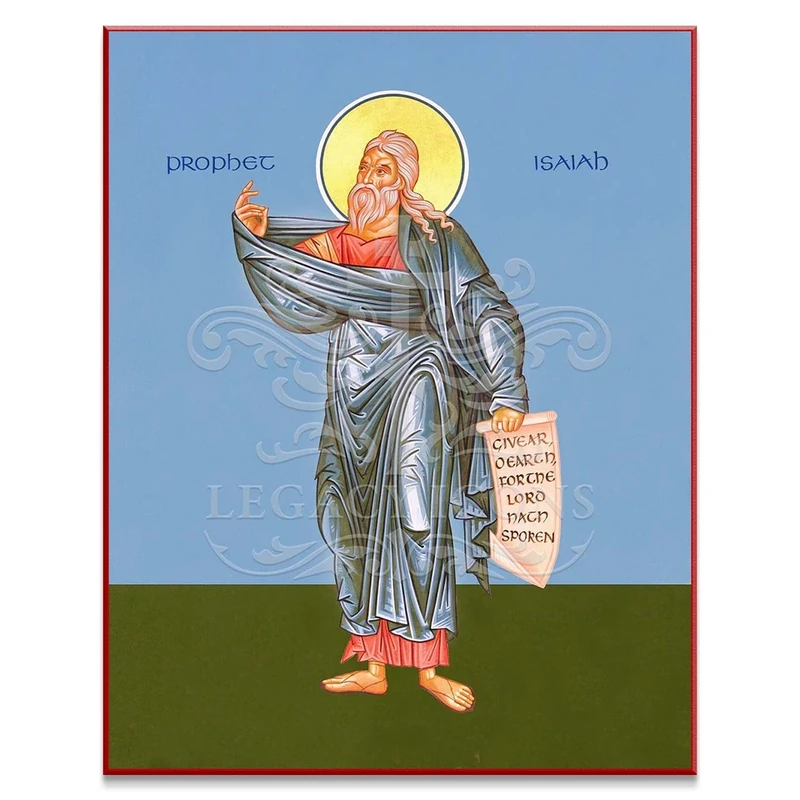
Isaiah’s prophetic calling is remembered through the vision of God enthroned, the seraphim, and the burning coal that touched his lips. He addressed Judah with warnings about unfaithfulness while also speaking of a people restored by God. Orthodox Christians hear his book throughout worship, especially in passages concerning the Virgin, the coming ruler of peace, and the servant who suffers for others. His witness does not separate divine holiness from the need for repentance. The Church also preserves traditions of his martyrdom. His enduring place in Christian prayer rests especially on the prophetic words received in Scripture.
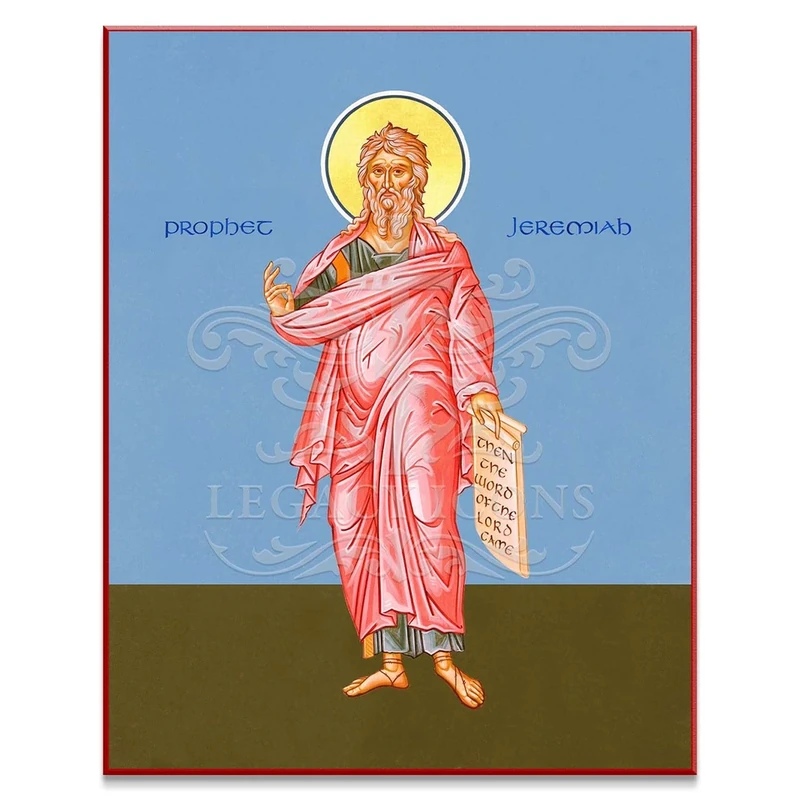
Jeremiah came from the priestly community of Anathoth and initially felt too young and unable to speak for the task entrusted to him. His ministry nevertheless brought him into public conflict as he warned of Jerusalem’s destruction and called for repentance. He endured imprisonment and was rescued after being lowered into a pit. The fall of the city brought sorrow rather than personal triumph; the Church remembers him as a prophet of tears. Afterward he was taken to Egypt with people who had fled Judah. His witness combines unwelcome truth with grief for the very people who resisted his words.
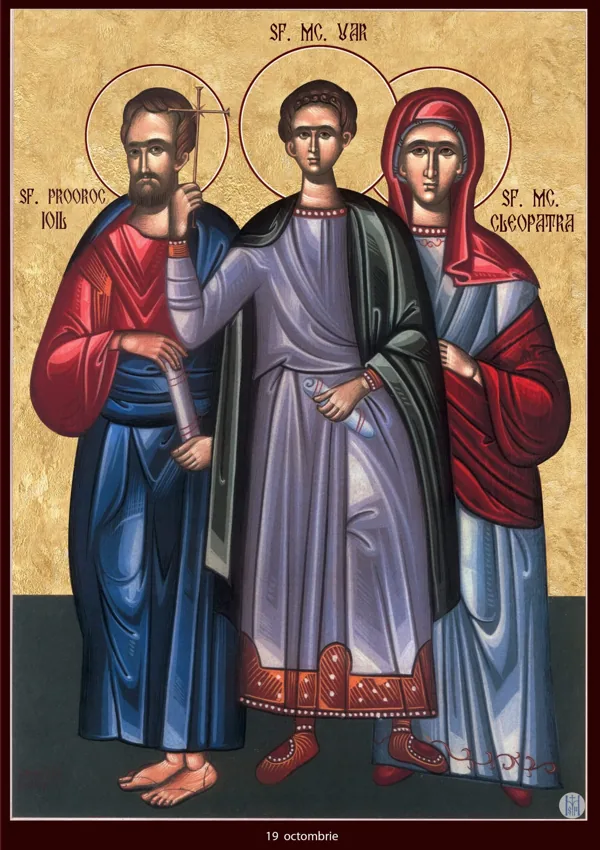
Joel is remembered among the prophets of Judah. The calendar connects his book with accounts of drought and locusts and with the promise of God’s Spirit being poured out. It recalls Peter’s use of Joel’s prophecy in the account of Pentecost.
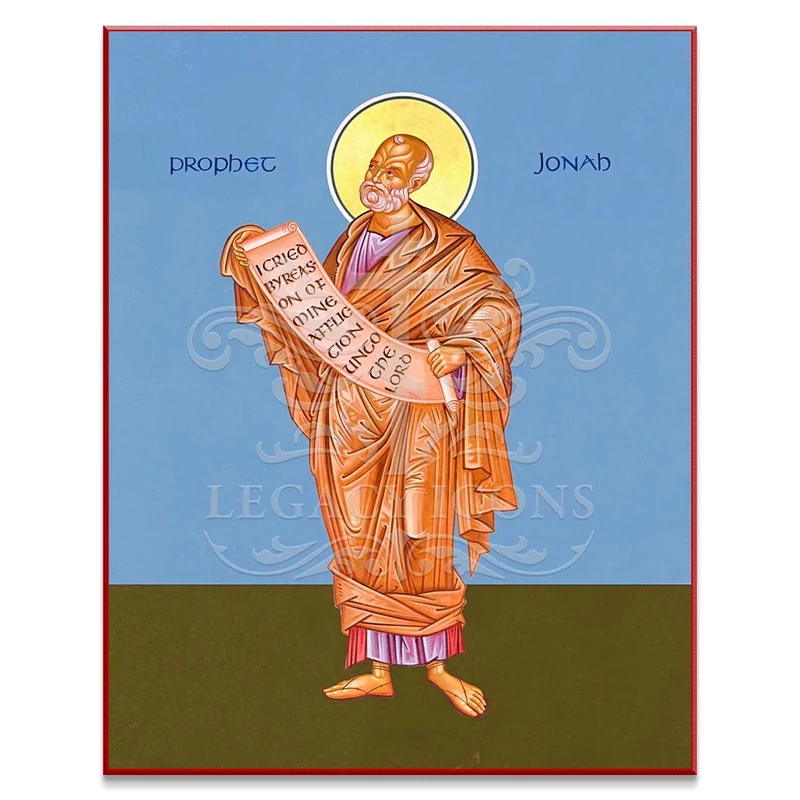
Jonah is remembered for the preaching that brought the people of Nineveh to repentance. His biblical story also includes the extraordinary passage through the great fish, which Christ himself used as a sign when speaking about his death and resurrection. Orthodox interpretation receives the three days in the fish as an image of Christ’s burial and victory over death. The OCA life emphasizes both the turning of Nineveh and this connection with the Gospel. His commemoration invites readers to encounter a prophet within the whole scriptural story, where repentance and divine mercy extend beyond familiar boundaries.
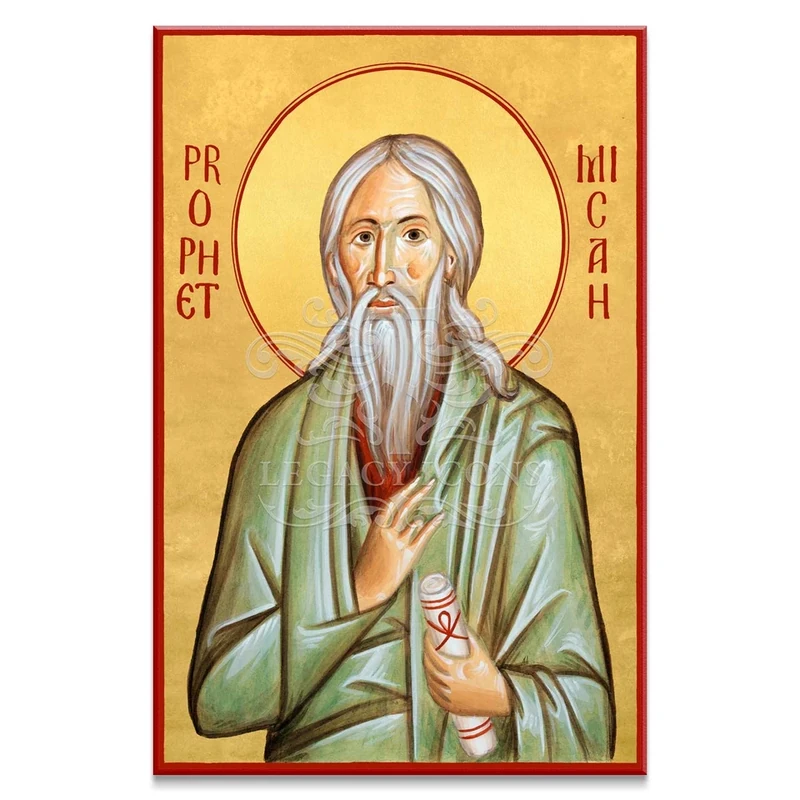
Micah came from Moresheth in Judah and prophesied in the same broad period as Isaiah. His ministry addressed the kingdoms of Judah and Israel under the shadow of Assyrian power. The biblical book bearing his name contains warnings of judgment and the promise of a ruler from Bethlehem, a passage Orthodox Christians receive in relation to Christ’s birth. Jeremiah’s book also recalls Micah’s preaching when people debate how to respond to a prophet’s unwelcome words. His commemoration belongs to this particular biblical figure, rather than to every prophet whose name appears as Micah or Micaiah in English.
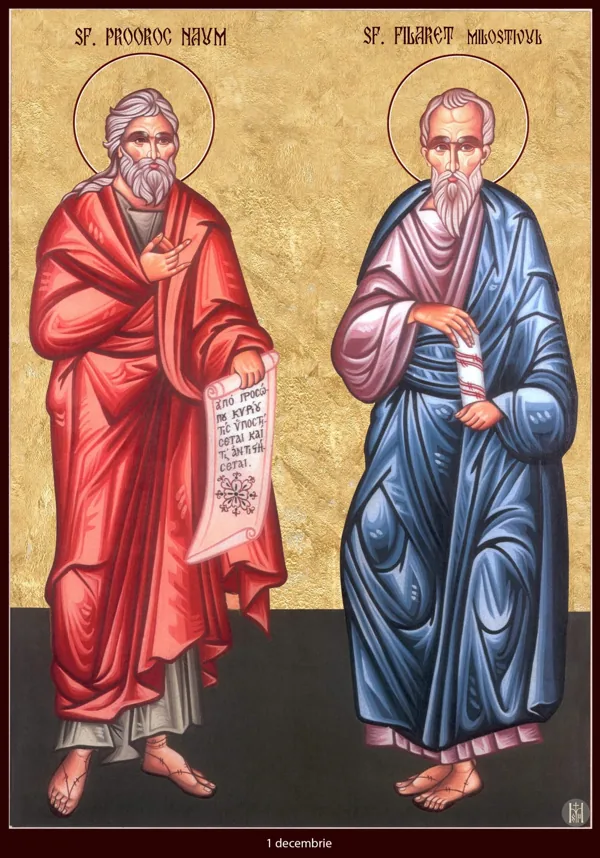
Nahum is remembered among the prophets of Israel. The calendar connects his book with the fall of Nineveh and with reassurance for Judah during Assyrian domination. His three-chapter book remains part of the Old Testament.
The directory indexes the OCA full-year calendar, including leap-day commemorations, alongside additional researched profiles. Calendar entries include individual saints, groups, icons and feasts. An entry count is not a count of unique saints. Categories are provisional; follow the linked source.
Dates show commemorations in the referenced calendar year. Movable feasts change annually, and local calendars may differ. Additional jurisdictions, original biographies and icon research remain in progress. This collection does not yet claim complete Eastern Orthodox coverage.
Calendar metadata was retrieved through Orthocal’s source repository and the Orthodox Church in America. Source-only calendar records link to their original accounts; researched profiles include individually sourced artwork.
 Patron SaintTake the quiz