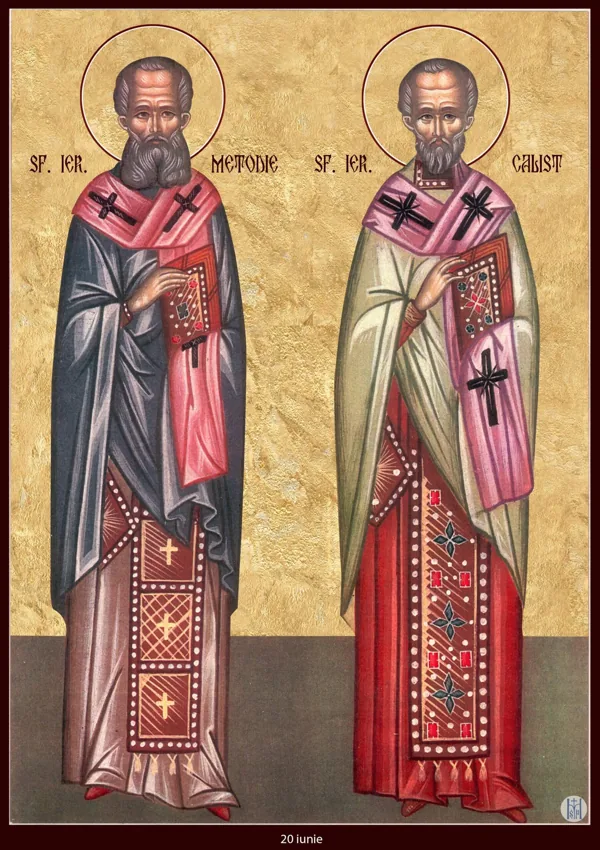
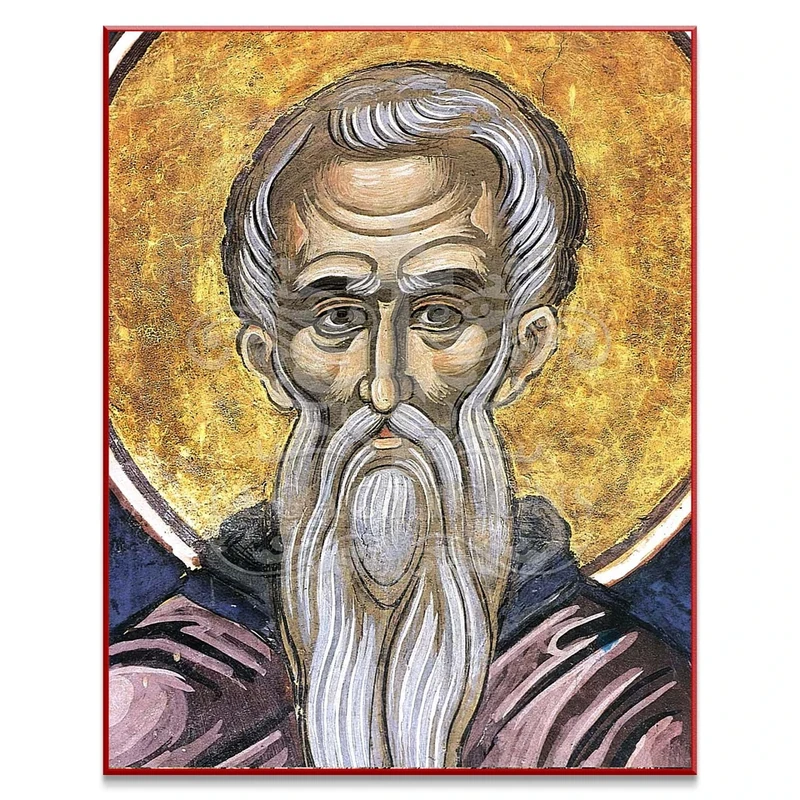
Callistus learned monastic life on Mount Athos under Gregory of Sinai and wrote his teacher’s life. He became patriarch of Constantinople in 1350, later withdrew to a monastery he had founded on Tenedos, and returned to the patriarchate. He died in Serbia in 1363 while serving on an imperial embassy.
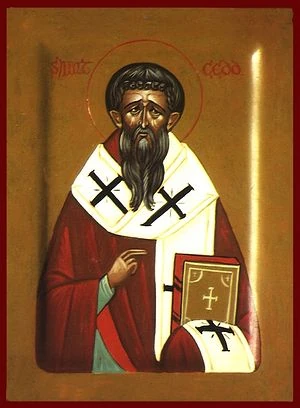
Cedd came from Northumbria and received his early formation at Lindisfarne. Bishop Finan sent him to preach in Essex, where he baptized converts, built churches and founded monastic communities at Bradwell-on-Sea and East Tilbury. After becoming bishop, he continued visiting the north. He accepted land at Lastingham and became its first abbot while still caring for his community in Essex. He died during the plague at Lastingham in 664. His brother Chad was another bishop, with a separate life and ministry.
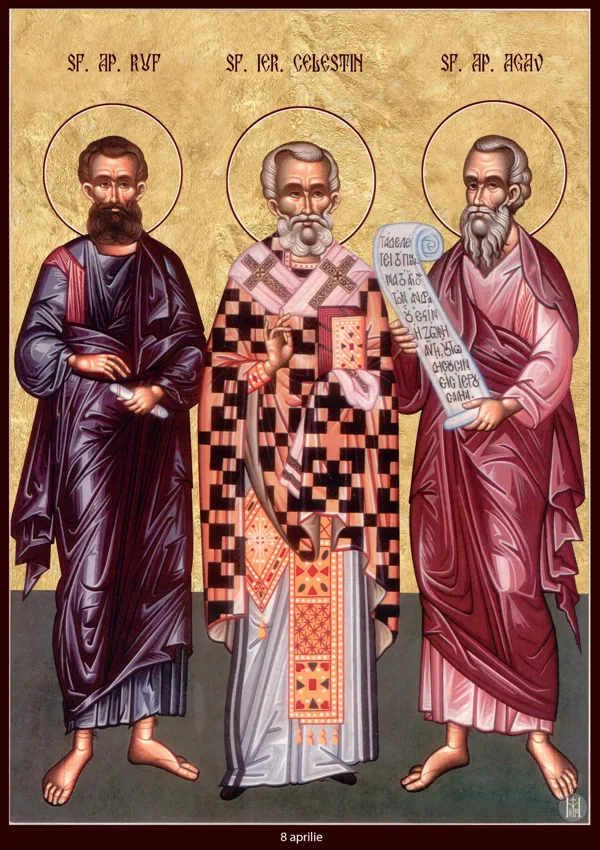
Celestine succeeded Boniface as bishop of Rome. The calendar remembers a letter he sent to Cyril of Alexandria through episcopal representatives. The letter addressed the teaching of Nestorius and was read at the Third Ecumenical Council.
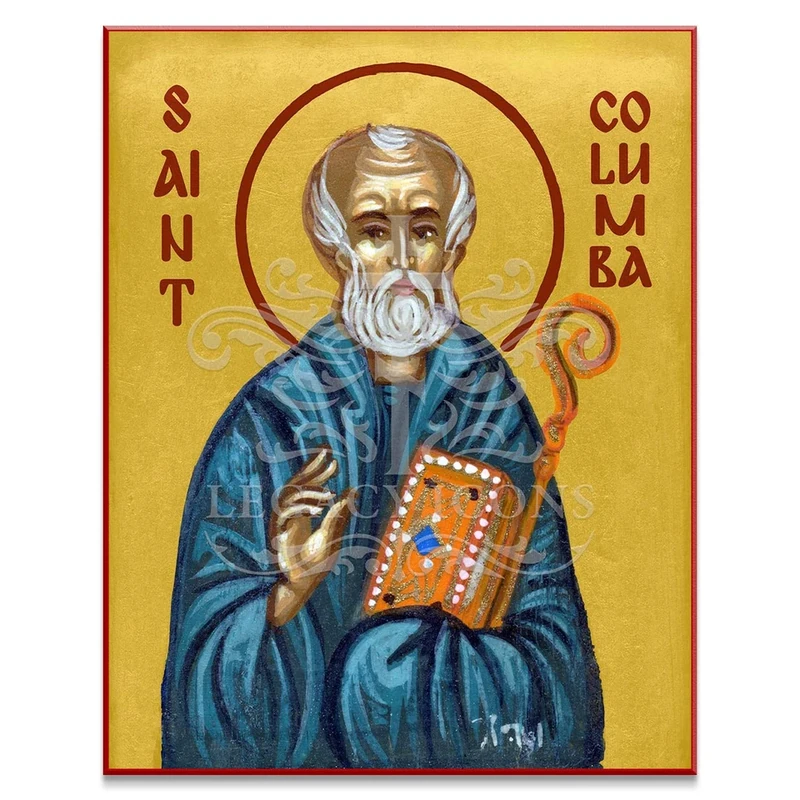
Columba left Ireland with companions and settled on Iona, where their monastery became a center of Christian mission and worship. The monks traveled to other islands and inland communities, forming churches while maintaining ties with Ireland. The traditional life also remembers Columba’s work with manuscripts and his final counsel that the brethren love one another. Details of his earlier life remain uncertain, but the Church preserves his lasting influence as a teacher and abbot. His example joins a settled community of prayer with readiness to travel beyond familiar surroundings for the good of others.
Cosmas was raised with John of Damascus and received a strong education before entering monastic life in Palestine. The Church remembers the two men as defenders of the veneration of icons. Cosmas later became Bishop of Maiuma and left hymns and canons associated with the Church’s feasts and Holy Week. His witness connects learning, poetry, and responsibility for a community. The words used in worship can carry teaching across generations, giving people a language for prayer. Cosmas’s example invites creative gifts to serve a shared faith rather than only the ambitions of their author.
Cuthbert entered monastic life at Melrose after working as a shepherd. He later served at Lindisfarne, traveling among surrounding communities to preach and encourage people. His leadership met resistance, but the OCA life emphasizes patient correction and readiness to forgive. He sought solitude on the Farne Islands while retaining a place for visitors. Reluctantly accepting episcopal service, he continued to dress simply and care for his flock. Near the end of his life he returned to his island hermitage. His memory joins contemplative prayer with a gentle pastoral attention to the weaknesses and needs of other people.
The directory indexes the OCA full-year calendar, including leap-day commemorations, alongside additional researched profiles. Calendar entries include individual saints, groups, icons and feasts. An entry count is not a count of unique saints. Categories are provisional; follow the linked source.
Dates show commemorations in the referenced calendar year. Movable feasts change annually, and local calendars may differ. Additional jurisdictions, original biographies and icon research remain in progress. This collection does not yet claim complete Eastern Orthodox coverage.
Calendar metadata was retrieved through Orthocal’s source repository and the Orthodox Church in America. Source-only calendar records link to their original accounts; researched profiles include individually sourced artwork.
 Patron SaintTake the quiz